The trucking industry moves America’s economy forward, but dirty trailers can slow your business down in ways you might not expect. Whether you’re managing a fleet of refrigerated units or dry vans, keeping those trailers clean isn’t just about appearances—it’s about compliance, safety, and protecting your equipment investment. A professional trailer wash does more than make your vehicles shine; it prevents corrosion, eliminates contamination risks, and keeps you on the right side of DOT regulations.
Most fleet managers underestimate how much dirt, grime, road salt, and chemical residue accumulates on trailers during regular operations. This buildup doesn’t just look bad—it actively damages your equipment and can lead to costly repairs down the line. According to industry research, fleet operators who implement regular cleaning schedules can extend trailer lifespan by 3-5 years compared to those who neglect maintenance. That’s a significant return on investment when you’re talking about assets worth $30,000 to $50,000 each.
Why Regular Trailer Washing Matters for Your Business
Your trailers face brutal conditions every single day. They’re exposed to road salt in winter, mud splatter in spring, dust storms in summer, and everything in between. This constant barrage of contaminants creates multiple problems that go way beyond cosmetics. When salt and chemicals sit on aluminum and steel surfaces, they initiate corrosion processes that weaken structural integrity over time. What starts as surface rust can penetrate deeper into the metal, eventually requiring expensive panel replacements or even early trailer retirement.
Food-grade trailers face even stricter requirements. If you’re hauling consumable products, FSMA (Food Safety Modernization Act) regulations mandate that trailers remain free from contamination between loads. A single failed inspection can shut down your operations and damage relationships with customers who depend on your reliability. The FDA has increased enforcement actions related to transportation sanitation, with penalties ranging from warning letters to complete shipment rejections. Professional trailer wash services understand these regulatory requirements and use cleaning protocols that meet federal standards.
There’s also the branding aspect that many operators overlook. Your trailers are mobile billboards traveling thousands of miles each month. A clean, well-maintained fleet projects professionalism and attention to detail, while dirty equipment suggests carelessness. Customers notice. Shippers notice. Even the general public forms impressions about your company based on how your vehicles look on the highway. In a competitive market where margins are tight, these perception factors can influence whether you win or lose contracts.
Suggested read: Kwik Trip Car Wash Card: Everything You Need to Know About Saving Money on Vehicle Cleaning
Understanding Different Trailer Wash Methods and Technologies
Not all trailer wash services are created equal, and choosing the right method depends on your specific needs, trailer types, and contamination levels. The industry has evolved significantly beyond simple soap-and-water approaches, incorporating advanced technologies that clean more effectively while using fewer resources. Let’s break down the main cleaning methods available today and what makes each one effective for different situations.
Touchless Automated Systems
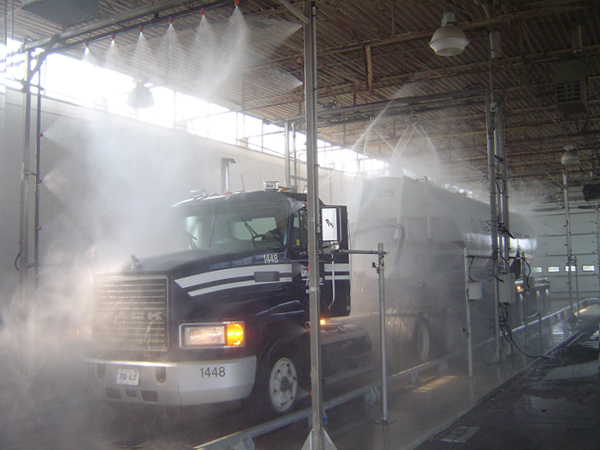
Touchless washing uses high-pressure water jets combined with specialized detergents to remove dirt without any brushes or physical contact with the trailer surface. These systems typically operate in drive-through bays where trailers move slowly through multiple cleaning stages. The absence of brushes means zero risk of scratching or damaging decals, which makes touchless systems ideal for trailers with vinyl wraps or painted graphics. Modern touchless systems can achieve impressive results on light to moderate contamination, using water pressures between 1,000 to 3,000 PSI delivered through strategically positioned nozzles.
The chemical formulations used in touchless systems have become remarkably sophisticated. Manufacturers have developed alkaline cleaners that break down road film and organic matter, followed by acidic rinses that neutralize residues and prevent water spots. Some advanced facilities incorporate foaming agents that cling to vertical surfaces longer, giving the chemicals more dwell time to penetrate stubborn grime. The entire process typically takes 5-8 minutes per trailer, making it efficient for high-volume operations. However, touchless methods struggle with heavily caked-on mud or industrial residues that require mechanical agitation to remove completely.
Brush-Based Automated Washing
Brush systems combine water, detergent, and rotating brushes to physically scrub trailer surfaces clean. These installations use soft foam or cloth brushes that won’t damage properly maintained trailer surfaces while providing the mechanical action needed to dislodge stubborn contamination. Brush-based trailer wash systems excel at removing heavy dirt buildup, dried mud, and layered grime that touchless methods might leave behind. The brushes reach into corrugations, around rivets, and into other surface irregularities where dirt accumulates.
Most modern brush systems feature multiple brush positions—vertical brushes for the sides, horizontal brushes for the top, and sometimes dedicated brushes for the rear doors. The brushes oscillate and rotate at controlled speeds, typically 60-120 RPM, while water and soap flow continuously over the surfaces. Quality systems include pressure sensors that adjust brush contact force automatically, preventing damage while maintaining cleaning effectiveness. The trade-off is that brush systems require more maintenance than touchless setups, as the brushes wear out and need periodic replacement. They’re also slightly slower, averaging 8-12 minutes per trailer depending on the wash program selected.
Manual Pressure Washing Services
For situations requiring maximum attention to detail or dealing with specialized contamination, manual pressure washing remains the gold standard. Trained technicians use commercial pressure washers (typically 3,000-4,000 PSI) along with various nozzle tips, extension wands, and cleaning agents to address every square inch of the trailer. This hands-on approach allows workers to spend extra time on problem areas, adjust technique based on real-time assessment, and ensure thorough cleaning of often-overlooked spots like landing gear, undercarriage components, and door seals.
Manual washing is particularly important for food-grade trailers where sanitation requirements are stringent. Technicians can access interior spaces, clean drain holes, scrub away biological contamination, and verify that all surfaces meet cleanliness standards. Many facilities specializing in food-grade cleaning maintain separate wash bays to prevent cross-contamination between food and non-food trailers. The process is more time-intensive—expect 20-45 minutes per trailer—but it delivers results that automated systems simply cannot match. Manual washing also provides opportunity for visual inspection, allowing technicians to spot maintenance issues like damaged seals, loose hardware, or developing corrosion that might otherwise go unnoticed.
Suggested read: Best CRM for Pressure Washing Business to Manage Leads & Jobs
Cost Factors and Pricing Models for Trailer Washing
Understanding what you’ll pay for trailer wash services requires looking at multiple variables that influence pricing. The trailer washing industry doesn’t have standardized rates because each job involves different equipment, contamination levels, and service requirements. However, knowing the typical cost ranges and what affects pricing helps you budget appropriately and evaluate whether you’re getting fair value from service providers.
Basic exterior wash pricing typically ranges from $25 to $75 per trailer for standard dry vans or refrigerated units using automated systems. This covers exterior surfaces only—sides, top, rear doors, and front panel. Pricing varies based on geographic location, with services in major metropolitan areas or regions with high operating costs trending toward the upper end. Volume customers usually negotiate discounted rates. Fleet operators washing 10+ trailers regularly might pay $20-$40 per unit, while someone washing a single trailer once pays retail pricing.
Interior cleaning adds significant cost because it requires more time, specialized equipment, and often stronger cleaning agents. Expect to pay an additional $50-$150 for interior washing depending on contamination level and trailer size. Food-grade trailers requiring sanitization and documentation for regulatory compliance command premium rates, sometimes $200-$300 for combined interior/exterior service. These higher prices reflect the specialized training, equipment, and liability that sanitation work entails. Some facilities charge even more for trailers that hauled particularly difficult products like livestock, chemicals, or waste materials that require extensive decontamination.
What Affects Your Trailer Wash Costs
Several factors beyond basic service selection impact your final bill. Trailer size matters significantly—a 53-foot trailer costs more than a 28-foot unit simply because there’s more surface area to clean. Contamination severity also plays a role; trailers caked in mud or industrial residue take longer and require more cleaning solution than those with light road dust. Many facilities charge extra for heavily soiled equipment or reserve the right to quote pricing after inspection rather than offering flat rates.
Geographic location and water costs influence regional pricing differences. Facilities in drought-prone areas or regions with high water/sewer rates must factor these expenses into their pricing structure. Labor costs vary significantly between markets—what you pay in rural Iowa differs substantially from urban California. Service speed and scheduling can affect costs too; some facilities offer premium pricing for expedited service or after-hours washing when most operators are closed. If you need a trailer cleaned immediately to meet a pickup deadline, expect to pay 25-50% above standard rates.
| Service Type | Typical Price Range | Best For |
|---|---|---|
| Exterior Only (Automated) | $25-$75 | Regular maintenance, light soil |
| Exterior Only (Manual) | $50-$100 | Heavy contamination, detailed work |
| Interior Cleaning | $50-$150 | Between-load cleaning, general sanitation |
| Food-Grade Sanitization | $200-$300 | FSMA compliance, food transport |
| Complete Detail Service | $300-$500+ | Pre-sale prep, show trucks, premium fleets |
Suggested read: How to Get Your Hoffman Car Wash Free Wash: Every Promo, Deal & Membership Hack You Need
Building an Effective Trailer Maintenance Schedule
Creating a systematic trailer wash schedule prevents problems before they start and ensures your fleet always meets operational standards. The optimal cleaning frequency depends on operating conditions, cargo types, and regulatory requirements specific to your business. There’s no one-size-fits-all answer, but understanding the factors that accelerate contamination helps you design a maintenance program that balances cost-effectiveness with equipment protection.
Trailers operating in harsh environments need more frequent cleaning. If your routes regularly traverse winter weather zones where road salt is heavily applied, monthly washing becomes essential rather than optional. Salt accelerates corrosion dramatically—leaving it on aluminum and steel surfaces for extended periods can cut your trailer’s service life in half. Similarly, trailers operating in construction zones, agricultural areas with heavy dust, or coastal regions with salt air exposure should be washed at least every 30 days. The investment in regular cleaning pays dividends through reduced maintenance costs and longer equipment life.
Food-grade trailers must be cleaned based on cargo changes and regulatory requirements rather than calendar schedules. FSMA regulations and customer specifications often dictate cleaning between every load or whenever switching between incompatible products. For example, a trailer hauling raw poultry must be thoroughly sanitized before carrying any other food products. Many shippers now require proof of cleaning through washout tickets or digital documentation before they’ll load your trailer. Missing this documentation can result in detention time, rejected loads, or damaged customer relationships that cost far more than the cleaning service itself.
Seasonal Considerations for Fleet Cleaning
Winter months demand increased attention to trailer wash needs because of road treatment chemicals. Many fleet operators increase washing frequency to bi-weekly or even weekly during peak salt season (typically December through March in northern states). The challenge is that many truck washes reduce hours or close entirely during extreme cold weather when cleaning is most important. Planning ahead by identifying facilities with heated wash bays ensures you can maintain your schedule regardless of weather conditions. Some progressive operators have even installed on-site wash capabilities specifically to handle winter cleaning needs without depending on commercial facilities.
Spring brings its own challenges with mud, pollen, and organic debris that accumulates rapidly during wet weather. This is an excellent time to perform thorough cleanings that address contamination built up over winter months. Summer operations benefit from regular washing partly for appearance—clean trucks reflect sunlight better and run slightly cooler—but also to remove road tar and tree sap before they bake onto surfaces in high heat. Fall preparations should include comprehensive cleaning before winter arrives, applying protective treatments, and addressing any rust spots before salt season begins.
Suggested read: Whitmore Wash: Your Ultimate Gateway to Grand Canyon River Adventures
DIY vs Professional Trailer Washing: Making the Right Choice
Many owner-operators and small fleet managers wonder whether they should handle trailer wash duties themselves or outsource to professional services. The decision involves more factors than simple cost comparison—you need to consider time investment, equipment requirements, environmental regulations, and quality consistency. Both approaches have legitimate places in fleet maintenance strategies, and understanding the trade-offs helps you make informed choices that align with your operational model.
The Reality of DIY Trailer Washing
Washing your own trailers seems straightforward and cost-effective until you actually attempt it. You’ll need appropriate equipment including a commercial-grade pressure washer (residential units lack sufficient power), extension wands to reach trailer tops, various spray tips for different surfaces, and effective cleaning chemicals formulated for removing road grime without damaging aluminum or paint. Quality equipment represents a $500-$2,000 investment before you clean your first trailer. You’ll also need reliable water supply with adequate flow rate—most effective pressure washing requires at least 3-5 gallons per minute.
Time investment adds up quickly. Thoroughly washing a single trailer manually takes 45-90 minutes depending on your experience level and contamination severity. That’s time you’re not spending on revenue-generating activities like hauling freight or managing dispatch operations. For owner-operators, the math gets interesting: if you can earn $40-$60 per hour driving but save $50-$75 by washing your own trailer, you’re actually losing money by DIY cleaning unless you’re already off-duty or between loads. For small fleets, pulling a driver or mechanic off their primary duties to wash trailers often doesn’t make economic sense once you calculate fully burdened labor costs.
Environmental compliance presents another challenge that many DIY washers overlook until they face violations. Simply washing trailers in your yard and letting contaminated water run into storm drains violates Clean Water Act regulations in most jurisdictions. Proper disposal requires either connecting to sanitary sewer systems (with appropriate permits) or containing and hauling wastewater to approved treatment facilities. Some cleaning chemicals are restricted or prohibited for environmental reasons, and using them without proper permits can result in substantial fines. Professional trailer wash facilities handle these compliance issues as part of their service, maintaining the necessary permits, treatment systems, and documentation that protect you from liability.
Benefits of Professional Washing Services
Commercial truck wash facilities bring economies of scale, specialized equipment, and trained staff that deliver consistent results efficiently. They’ve invested in systems designed specifically for heavy vehicle cleaning—high-volume water supplies, reclaim systems that recycle water to reduce consumption, and cleaning chemicals formulated to remove transportation-specific contaminants effectively. Most facilities complete exterior washes in 5-15 minutes, much faster than DIY methods, getting your equipment back in service quickly.
Professional services provide documentation and accountability that’s increasingly important for regulatory compliance and customer requirements. When you need to prove a trailer was properly cleaned—whether for FSMA compliance, customer specifications, or liability protection—a professional washout ticket with date, time, facility information, and service details provides credible documentation. Some modern facilities even offer digital documentation with photo evidence accessible through online portals. This paper trail protects you if contamination issues ever arise or if customers question whether cleaning standards were met.
Inspection opportunities represent hidden value that professional services deliver. Experienced wash bay technicians see thousands of trailers and quickly spot problems that need attention—damaged seals, loose hardware, tire issues, or developing rust spots. Catching these problems early prevents roadside breakdowns and expensive emergency repairs. Many facilities will bring issues to your attention or provide written inspection reports as part of their service. This ongoing monitoring supplements your formal preventive maintenance program and helps keep equipment road-ready.
Suggested read: Whitmore Wash Grand Canyon: Your Gateway to Epic River Adventures
Environmental Impact and Water Conservation in Trailer Washing
The trailer wash industry has undergone significant transformation regarding environmental stewardship and resource conservation. Modern facilities recognize that sustainability isn’t just good ethics—it’s good business. Customers increasingly prefer working with service providers who demonstrate environmental responsibility, and regulations continue tightening around water usage and wastewater discharge. Understanding how professional washing operations address these concerns helps you make informed choices that align with your company’s values and compliance obligations.
Water consumption in trailer washing can be substantial without proper management systems. Traditional wash methods might use 100-200 gallons per trailer, which adds up quickly when you’re cleaning multiple vehicles daily. Progressive facilities have implemented water reclaim systems that capture, filter, and recycle wash water for reuse. These systems typically reclaim 70-85% of water used, dramatically reducing consumption while maintaining cleaning effectiveness. The initial rinse water, which carries the heaviest contamination, goes to wastewater treatment. Subsequent rinse stages use reclaimed water that’s been filtered to remove solids and treated to remain effective for cleaning.
Chemical management and pH control ensure that cleaning agents work effectively without causing environmental harm. Professional facilities use biodegradable detergents and carefully control solution strength to use only what’s necessary for effective cleaning. They monitor and adjust wastewater pH to meet discharge permit requirements—most municipal systems require pH between 5.5 and 12.5 before accepting wastewater. Some advanced facilities have installed automated pH adjustment systems that add acids or bases as needed to bring wastewater into compliance before discharge. This level of sophistication simply isn’t practical for DIY operations, which is why environmental regulators increasingly focus enforcement efforts on unauthorized washing activities.
Sustainable Practices in Modern Wash Facilities
The industry is adopting technologies and practices that reduce environmental footprint while maintaining service quality. High-efficiency nozzles deliver cleaning power with less water volume by optimizing spray patterns and pressure. These nozzles can reduce water consumption by 20-30% compared to standard equipment without sacrificing results. Energy-efficient water heaters use natural gas or heat recovery systems rather than electric resistance heating, cutting energy costs and carbon emissions. Some facilities have installed solar panels to offset electrical demand for pumps, lighting, and auxiliary systems.
Biodegradable, phosphate-free detergents have largely replaced older cleaning formulations that contained problematic chemicals. These modern products break down rapidly in wastewater treatment plants without leaving persistent residues or bioaccumulating in aquatic ecosystems. They’re also safer for workers who handle concentrated chemicals daily and for drivers who might come into contact with cleaning solutions during operations. The cleaning performance of these environmentally-friendly products now matches or exceeds traditional chemicals that posed disposal challenges.
Wastewater treatment and solids removal prevent contamination from entering water systems. Professional facilities typically use multi-stage treatment beginning with settling basins where heavy solids drop out. These solids—primarily dirt, rust particles, and road debris—are periodically removed and disposed of properly, often through commercial waste services. Water then passes through filters or screens to remove suspended particles before additional treatment or discharge. Some high-volume facilities have invested in advanced treatment systems including oil/water separators, chemical precipitation, or even membrane filtration that produces near-potable quality effluent. This investment in proper wastewater management protects local water resources and ensures regulatory compliance.
Suggested read: Best CRM for Pressure Washing: Your 2025 Software Selection Guide
Technology Integration and Digital Solutions for Fleet Washing
The trailer wash industry is embracing digital technologies that streamline operations, improve accountability, and provide fleet managers with better visibility into maintenance activities. These technological advances help large fleets coordinate washing across multiple terminals, track compliance with cleaning schedules, and analyze spending patterns to optimize costs. Even smaller operators benefit from digital solutions that eliminate paperwork, provide instant documentation, and simplify record-keeping for regulatory purposes.
Mobile apps and online portals now allow drivers to find nearby wash facilities, check real-time bay availability, and even schedule appointments to avoid wait times. Some national truck wash chains have developed proprietary apps that manage loyalty programs, store payment information for faster checkout, and maintain digital records of all services performed. Drivers can access historical wash tickets, download documentation needed for customer requirements, and receive alerts when scheduled maintenance items are due. This level of convenience reduces administrative burden and ensures nothing falls through the cracks.
Fleet management integration connects washing data with broader maintenance tracking systems. Forward-thinking fleet operators use telematics and maintenance management software that incorporates wash schedules, tracks actual cleaning dates, and flags units that are overdue for service. When a trailer comes in for washing, the service can be automatically recorded in the fleet management system, updating the maintenance history without manual data entry. Some systems even trigger automatic payment processing and reconciliation, eliminating the paperwork loop where drivers submit wash tickets and accounting manually processes expense reports.
RFID and Automated Tracking Systems
Radio-frequency identification (RFID) technology is revolutionizing how fleets track and manage trailer washing. Trailers equipped with RFID tags can be automatically identified when they enter a wash facility, instantly pulling up service history and preferred wash programs. The system can verify that the correct cleaning protocol is applied—critical for food-grade trailers with specific sanitization requirements—and automatically generate documentation upon completion. This automation eliminates human error, ensures consistency, and creates comprehensive digital records that satisfy regulatory requirements and customer audits.
Automated payment systems linked to RFID or vehicle identification streamline financial transactions. Fleet accounts can be debited automatically when service is completed, eliminating the need for drivers to handle transactions or submit expense reports. Month-end reconciliation becomes simple—fleet managers receive detailed reports showing which trailers were washed, where, when, and at what cost. This transparency makes it easy to identify usage patterns, spot unauthorized washing, and verify that you’re receiving negotiated pricing. Some large fleets have negotiated direct billing arrangements where the wash facility invoices monthly rather than charging per transaction, further simplifying administration.
Data analytics and reporting tools help fleet managers optimize their trailer wash programs. By analyzing washing frequency, costs per unit, and patterns across different terminals or routes, managers can identify opportunities to improve efficiency. For example, data might reveal that trailers operating certain routes need more frequent cleaning due to road conditions, or that specific terminals consistently have higher per-wash costs suggesting pricing renegotiation is needed. Some advanced systems correlate washing frequency with maintenance costs, demonstrating ROI from regular cleaning through reduced corrosion repairs and longer equipment life.
Suggested read: How to Master the Art of Washing Well: Essential Techniques for a Spotless Clean Every Time
Specialized Cleaning for Different Trailer Types
Not all trailers face the same cleaning challenges, and effective trailer wash programs must account for the specific requirements of different equipment types. Dry vans, refrigerated units, flatbeds, tankers, and specialized trailers each present unique contamination patterns and cleaning needs. Understanding these differences helps you select appropriate services and ensure your equipment receives care that addresses its specific vulnerabilities and regulatory requirements.
Refrigerated trailers (reefers) require special attention to both exterior and interior surfaces plus the refrigeration unit itself. The exterior cleaning needs mirror standard dry vans, but the refrigeration unit mounted on the front wall demands careful attention. These units accumulate dirt, debris, and road grime that can restrict airflow and reduce cooling efficiency. Some wash facilities offer specialized reefer unit cleaning that includes carefully washing the condenser coils, evaporator intake areas, and electrical components using techniques that won’t damage sensitive equipment. Interior cleaning of refrigerated trailers must address the moisture-rich environment that promotes mold and bacteria growth, using sanitizing agents approved for food contact surfaces.
Flatbed trailers present different challenges because their open design means contamination affects all surfaces including the deck, stakes, rub rails, and undercarriage. These trailers often haul construction materials, machinery, or other cargo that leaves behind oil, grease, paint overspray, or industrial residues requiring aggressive cleaning solutions and techniques. The exposed deck surface may need regular treatment with anti-rust compounds or protective coatings to prevent corrosion, especially if the trailer frequently hauls materials that scratch or damage the deck finish. Some specialized flatbed washing services include deck inspection, identification of damaged areas, and recommendations for repairs that extend trailer life.
Tanker and Specialized Equipment Cleaning
Tanker trailers hauling liquids require the most specialized and regulated cleaning of any equipment type. The cleaning requirements depend entirely on what the tanker previously carried and what it will haul next. Food-grade tankers must be washed at approved facilities using documented procedures that meet FDA requirements. Chemical tankers require specific cleaning protocols based on DOT hazardous materials regulations and product compatibility charts that specify which cleaners can be used without creating dangerous reactions. Many tanker washout facilities are certified by industry organizations and maintain detailed records of cleaning procedures, inspection results, and product transitions for regulatory compliance.
Dry bulk trailers (pneumatic tankers) hauling flour, sugar, cement, or other powdered materials need specialized cleaning that addresses product residue inside the tank and dust accumulation on exterior surfaces. The cleaning process often involves compressed air purging to remove bulk residue, followed by washing with appropriate solutions that won’t contaminate future loads. Food-grade dry bulk trailers must be cleaned between loads according to FSMA regulations, with documentation proving that cross-contamination risks have been eliminated. Some products leave behind stubborn residues that require hot water washing or specific chemical treatments to fully remove.
Specialty trailers including car haulers, livestock trailers, curtain-side vans, and double-drop lowboys each have unique cleaning requirements. Livestock trailers, for instance, must be thoroughly cleaned and disinfected after each load to prevent disease transmission and eliminate organic waste that creates odor and corrosion issues. Car hauler decks need careful cleaning that removes road film without damaging the surfaces where vehicles sit. The specialized nature of these trailer wash jobs means you’ll often need to work with facilities that have specific experience with your equipment type and understand the unique challenges it presents.
Suggested read: Wash Truck Services: Everything You Need to Know About Mobile Truck Washing Solutions
Regulatory Compliance and Documentation Requirements
Understanding the regulatory landscape around trailer wash services protects your business from violations, fines, and service disruptions. Multiple federal agencies have jurisdiction over various aspects of trailer cleanliness and sanitation, depending on what you haul and where you operate. State and local regulations add another layer of requirements that vary significantly across jurisdictions. Navigating this complex regulatory environment requires staying informed about applicable rules and maintaining documentation that proves compliance when inspectors or customers ask questions.
The Food Safety Modernization Act (FSMA) established comprehensive regulations for vehicles transporting human food and animal feed. The Sanitary Transportation Rule under FSMA requires that trailers be maintained in sanitary condition and cleaned as necessary to prevent food contamination. Carriers must develop and follow written procedures for trailer cleaning between loads, maintain records proving those procedures were followed, and make records available to shippers, receivers, and FDA inspectors upon request. The regulations specify that cleaning must be adequate to prevent cross-contact between allergens, prevent foodborne illness, and protect food from contamination by non-food substances.
DOT regulations address trailer cleanliness from safety and hazmat perspectives. Trailers carrying hazardous materials must meet specific cleaning and decontamination requirements before being returned to general service or loaded with incompatible products. The regulations specify placarding requirements, cleaning documentation, and residue testing in some cases. Even non-hazmat trailers must be maintained in safe condition, which includes ensuring that contamination doesn’t create slip hazards, obscure markings or reflectors, or interfere with proper equipment function. DOT inspections can result in out-of-service orders if trailers fail to meet cleanliness standards, even if the issues seem minor.
Creating Compliance Documentation Systems
Washout tickets serve as primary evidence that required cleaning was performed. These documents should include facility name and location, date and time of service, trailer identification number, description of services performed, and signature or stamp from the facility. For food-grade trailers, enhanced documentation might include the cleaning protocol used, products used for sanitization, and verification that the trailer passed post-cleaning inspection. Many progressive fleets have moved to digital documentation systems where washout tickets are photographed and uploaded to cloud storage, making them instantly accessible to drivers, dispatchers, and compliance staff regardless of location.
Standard operating procedures (SOPs) document your company’s approach to trailer cleaning and demonstrate to regulators that you take compliance seriously. These written procedures should specify when trailers must be cleaned, what level of cleaning is required for different situations, approved facility lists, documentation requirements, and employee training protocols. The SOPs should reference applicable regulations and explain how your procedures ensure compliance. Regular audits of actual practices against written procedures identify gaps and provide opportunities for corrective action before regulators discover problems. Many insurance carriers and large shippers now request copies of SOPs during qualification processes, using them to assess whether your operation meets their risk management standards.
Training documentation proves that drivers and operations staff understand cleaning requirements and follow procedures correctly. This includes training on identifying when trailers need cleaning, selecting appropriate wash facilities, obtaining proper documentation, and responding to situations where standard procedures can’t be followed. Training records should identify who was trained, when, what topics were covered, and verification that they understood the material. Some companies use brief competency assessments to verify understanding and document that employees can correctly apply procedures in real-world scenarios.
Suggested read: Wascomat Washer: Professional Laundry Equipment Review 2025
Finding and Evaluating Quality Trailer Wash Facilities
Locating reliable trailer wash services along your routes takes more than searching online directories—you need to evaluate facilities based on capabilities, capacity, location convenience, and service quality. The truck wash you choose impacts everything from operational efficiency to regulatory compliance, so taking time to thoroughly vet options before establishing relationships pays dividends in reduced headaches and consistent results. Smart fleet operators develop networks of approved facilities rather than relying on single locations, ensuring backup options exist when primary choices are unavailable.
Location and accessibility obviously matter since drivers need to wash trailers without significant route deviations or delays. Ideally, wash facilities should be located near major trucking routes, close to terminals or regular pickup/delivery locations, and accessible without navigating through congested urban areas or restricted routes. Check whether facilities can accommodate your specific equipment—some locations have length restrictions, limited height clearance, or weight limits on wash bay floors that might exclude your longest or heaviest trailers. Facilities with 24-hour operations provide flexibility for drivers running irregular schedules, though overnight or weekend service often costs more.
Service capabilities and equipment quality vary dramatically between facilities. Tour potential locations to assess their equipment—are wash systems modern and well-maintained, or old and barely functional? Do they have heated water capability for cold weather operations? What about specialized services like reefer unit cleaning, interior sanitization, or undercarriage washing? Ask about their cleaning chemicals and whether they use products appropriate for food-grade trailers if that’s relevant to your operation. Check water pressure and volume—inadequate pressure produces inferior results no matter how long trailers are in the wash bay.
Assessing Facility Reputation and Reliability
Customer reviews and industry reputation provide insights into service quality and reliability that you can’t get from facility tours alone. Check online reviews on trucking-specific platforms where drivers share experiences about wait times, service quality, staff professionalism, and whether facilities deliver what they promise. Talk to other fleet managers in your area about which facilities they use and recommend. Industry associations sometimes maintain facility ratings or complaint records that help identify operations with consistent problems. Be wary of facilities with patterns of poor reviews mentioning issues like rushed service, incomplete cleaning, or disputes over pricing.
Environmental compliance and permits should be verified before establishing relationships, especially if your company has sustainability commitments or faces regulatory scrutiny. Ask to see the facility’s wastewater discharge permit and verify that it’s current and in good standing. Check whether they have proper systems for handling and disposing of wash residues. Facilities operating without appropriate permits create liability risks for customers—if environmental violations are discovered, you could face questions about why you patronized non-compliant operations. Some large shippers now require carriers to use only approved wash facilities that meet environmental standards, making compliance verification essential for maintaining customer relationships.
Pricing transparency and consistency matter for managing costs and avoiding surprises. Get detailed pricing information upfront—base service costs, fees for additional services, charges for heavily soiled equipment, and any surcharges that might apply. Ask whether pricing is stable or subject to change without notice. Some facilities post prices clearly while others operate with “quote on inspection” models that make budgeting difficult. For regular customers, inquire about volume discounts, fleet accounts, or contract pricing that locks in rates for specific periods. Clear pricing agreements prevent disputes and help you accurately budget for maintenance expenses.
Suggested read: Best Wall Washer Lights 2025: Expert Buying Guide for Perfect Lighting
The Connection Between Cleanliness and Trailer Longevity
The relationship between regular trailer wash maintenance and equipment lifespan is well-documented but often underappreciated by operators focused on immediate costs rather than long-term asset management. Your trailers represent major capital investments—$30,000 to $60,000 for dry vans and reefers, even more for specialized equipment. Protecting these assets through consistent cleaning programs generates return on investment that vastly exceeds the service costs, primarily through corrosion prevention, component life extension, and maintained resale values when you eventually retire equipment from your fleet.
Corrosion represents the primary threat to trailer structural integrity and longevity. When road salt, industrial chemicals, and moisture sit on aluminum and steel surfaces, they initiate electrochemical processes that break down the metal. Aluminum trailers are particularly vulnerable to galvanic corrosion where dissimilar metals contact each other in the presence of moisture and contaminants. What begins as surface pitting gradually penetrates deeper, weakening structural members and creating holes in side panels or floor sections. Repair costs escalate quickly—replacing damaged floor sections might cost $5,000-$10,000, while extensive structural repairs can exceed $20,000. Regular washing removes corrosive contaminants before they cause permanent damage, effectively acting as insurance against expensive repairs.
Component degradation accelerates when contamination is allowed to accumulate unchecked. Door hinges, locking mechanisms, landing gear, and suspension components all function better and last longer when kept clean and free from built-up grime. Dirt and road debris create abrasive compounds that accelerate wear on moving parts, effectively acting like grinding paste every time components operate. Electrical connections on lighted trailers corrode faster when contaminated, leading to lighting failures that create safety hazards and CSA violations. Brake components, though enclosed, still benefit from regular chassis cleaning that removes contamination around seals and mounting points. The cumulative effect of cleanliness on component life shouldn’t be underestimated—clean trailers simply require less frequent maintenance and fewer component replacements over their service life.
Financial Impact of Extended Service Life
The economics of trailer longevity are compelling when you run the numbers. Industry data suggests that trailers maintained with regular cleaning programs typically achieve 15-18 years of service life compared to 10-12 years for neglected equipment. That 5-6 year differential represents huge value—if you spent $45,000 on a trailer that provides 17 years of service, your annual depreciation is approximately $2,650. The same trailer lasting only 11 years costs about $4,100 annually in depreciation. Multiply that across a 50-trailer fleet and you’re looking at $72,500 per year in additional depreciation expense—money that could be invested in fleet expansion, driver pay increases, or straight to the bottom line.
Resale values reflect equipment condition when you eventually replace trailers and sell used units. Clean, well-maintained trailers with documented service history command premium prices in the used equipment market. Buyers recognize that consistent maintenance indicates the trailer was professionally managed and likely has years of productive life remaining. Conversely, trailers showing obvious neglect with rust, damaged panels, and operational issues sell for substantially less or may be difficult to sell at all. The difference between top-dollar resale and bottom-of-market pricing can easily be $10,000-$15,000 per unit. This residual value differential directly rewards operators who invested in proper maintenance including regular washing throughout the equipment’s life.
Operational efficiency benefits from maintaining clean equipment include reduced fuel consumption from cleaner, more aerodynamic surfaces and fewer breakdowns that cause service disruptions. Some fleet managers report fuel economy improvements of 0.5-1% when trailers are kept clean versus allowing heavy contamination buildup—modest but meaningful when fuel represents 25-30% of operating costs. More importantly, equipment breakdowns decline when trailers are properly maintained, reducing both direct repair costs and indirect costs from missed pickups, late deliveries, and customer dissatisfaction. The compounding effect of these operational benefits over 15+ years of service life substantially exceeds the cost of regular trailer wash services.
Suggested read: Speed Wash: Everything You Need to Know About Quick Laundry Solutions in 2025
Advanced Cleaning Technologies and Future Trends
The trailer wash industry continues evolving with new technologies that improve efficiency, reduce environmental impact, and deliver superior results compared to traditional methods. Understanding emerging trends helps fleet managers make informed decisions about which facilities offer cutting-edge capabilities and where the industry is heading. These innovations aren’t just about getting trailers cleaner—they’re about doing it faster, with less water, lower environmental impact, and better documentation to meet increasing regulatory and customer demands.
Ozone cleaning systems represent one of the most significant innovations in trailer sanitization. Ozone (O3) is a powerful oxidizing agent that destroys bacteria, viruses, mold, and odors without leaving chemical residues. These systems inject ozonated water or gaseous ozone into trailers, where it penetrates into cracks, crevices, and porous surfaces that traditional cleaning methods struggle to reach. After treatment, the ozone naturally breaks down into regular oxygen, leaving no harmful residues. This makes ozone particularly valuable for food-grade trailers where chemical residues pose contamination risks. The technology is gaining traction among high-end wash facilities serving customers with stringent sanitation requirements, though the equipment investment (typically $30,000-$100,000) limits adoption to larger operations.
Ultrasonic cleaning technology is being adapted from industrial applications for trailer washing use. This method uses high-frequency sound waves to create microscopic bubbles in cleaning solution—a process called cavitation. When these bubbles collapse, they generate intense localized cleaning action that removes contamination from surfaces without mechanical scrubbing. While full-trailer ultrasonic systems aren’t yet practical, some facilities use handheld or portable ultrasonic equipment for detail cleaning of specific components like door hinges, locking mechanisms, and intricate parts where contamination is difficult to remove. The technology shows promise for gentler yet more thorough cleaning of delicate surfaces and complex geometries.
Automation and Robotics in Trailer Washing
Robotic washing systems are beginning to appear at high-volume facilities where consistent quality and labor efficiency matter most. These automated systems use computer vision and sensors to identify trailer dimensions, map surface contours, and optimize cleaning paths for maximum coverage with minimum water and chemical usage. Robotic arms equipped with pressure washing nozzles can adjust angle, distance, and pressure dynamically based on real-time feedback about contamination levels and surface conditions. The systems work tirelessly without breaks, maintaining consistent quality across hundreds of trailers daily while reducing labor costs and workplace injury risks associated with manual pressure washing.
Artificial intelligence and machine learning are being integrated into wash system controls to optimize cleaning protocols. These systems analyze variables including water temperature, pressure, chemical concentration, contamination type, and dwell time to determine the most effective cleaning approach for each trailer. Over time, the AI learns which combinations produce best results for different contamination patterns, continuously improving performance. Some advanced systems even predict maintenance needs by monitoring equipment performance data, scheduling preventive maintenance before failures occur that would disrupt operations. This predictive capability keeps wash systems running at peak efficiency while minimizing unexpected downtime.
Drone technology is being explored for washing the tops and sides of trailers, particularly at facilities handling large volumes where labor costs significantly impact profitability. These specialized drones carry pressurized water and cleaning solution, using computer-controlled flight patterns to methodically clean vertical and horizontal surfaces. While still largely in development and testing phases, drone washing could dramatically reduce the physical demands of trailer wash work while improving coverage of hard-to-reach areas. The technology faces regulatory hurdles and technical challenges around water weight, flight time, and safety, but prototype systems have demonstrated feasibility in controlled environments.
Sustainable Chemistry and Green Cleaning Solutions
Bio-based cleaning formulations are replacing petroleum-derived chemicals as manufacturers develop plant-based surfactants and enzymes that match or exceed conventional cleaner performance. These products use renewable feedstocks like coconut oil, corn, and soy to create cleaning agents that biodegrade rapidly without accumulating in ecosystems. Enzymatic cleaners are particularly interesting because they use biological catalysts to break down specific types of contamination—protein residues, fats, oils, and starches—without harsh chemicals. Some food-grade trailer wash operations have adopted enzymatic systems specifically because they’re effective at removing biological contamination while being completely food-safe.
Waterless cleaning technologies are being refined for situations where water availability or wastewater disposal presents challenges. These systems use specially formulated cleaning compounds that encapsulate and lift dirt without requiring water rinse. Technicians apply the product, allow brief dwell time for it to penetrate and loosen contamination, then wipe or vacuum away the residue along with the trapped dirt. While waterless methods can’t match the thoroughness of pressure washing for heavily soiled trailers, they’re useful for light maintenance cleaning, spot treatment of specific areas, or situations where water isn’t accessible. Some remote facilities and military applications have successfully deployed waterless cleaning for fleet maintenance.
Nano-coating technologies applied after washing create protective barriers that repel water, dirt, and contaminants, keeping trailers cleaner longer between washes. These coatings bond at molecular level to create superhydrophobic surfaces where water beads up and rolls off, carrying dirt with it. The coatings also prevent contaminants from bonding tightly to surfaces, making subsequent washing easier and more effective. While professional nano-coating application adds cost—typically $200-$500 per trailer—the treatments last 6-12 months and can reduce washing frequency by 30-40% while maintaining appearance standards. Fleet operators in image-conscious industries are increasingly adopting these technologies despite upfront costs because of long-term savings and appearance benefits.
Suggested read: The Ultimate Rinseless Wash Solution: How to Clean Your Car Anywhere Without Water
Case Studies: Real-World Trailer Wash Program Success
Examining how successful fleets structure their trailer wash programs provides practical insights that you can adapt to your operation. These real-world examples demonstrate different approaches to common challenges, showing how strategic thinking about equipment maintenance delivers measurable business benefits. The specific solutions vary based on fleet size, operating environment, and business model, but the underlying principles of consistency, documentation, and proactive management apply universally.
Regional LTL Carrier – 150 Trailer Fleet: This less-than-truckload carrier operating across the Midwest and Southeast implemented a mandatory wash program after analyzing maintenance costs and correlating them with cleaning frequency. They discovered that trailers washed monthly experienced 40% fewer corrosion-related repairs than units cleaned quarterly or as-needed. The company negotiated contracts with truck wash chains along major routes, establishing fixed pricing of $35 per exterior wash. Drivers receive specific instructions to wash trailers during routine terminal stops, with compliance tracked through their fleet management system.
The program costs approximately $63,000 annually ($35 × 150 trailers × 12 months) but has reduced corrosion repair expenses by over $120,000 per year based on three-year pre/post implementation comparison. Equipment resale values have also improved, with recent dispositions averaging $4,200 more than comparable units sold before the program began.
Refrigerated Food Hauler – 80 Trailer Fleet: Specializing in transporting fresh produce and dairy products, this carrier faces stringent customer requirements for trailer cleanliness and sanitation documentation. They implemented a comprehensive program using approved food-grade wash facilities at both ends of their primary lanes. Every trailer receives interior and exterior cleaning between loads, with sanitization using food-safe compounds and documentation uploaded to their digital tracking system within 30 minutes of service completion.
The program is expensive—averaging $180 per trailer per wash for interior/exterior service—but absolutely essential for maintaining customer relationships. Total annual washing costs exceed $520,000, which the company treats as a cost of doing business in the food transportation sector. The investment has paid off through zero contamination incidents in four years, maintained relationships with premium shippers willing to pay top rates, and industry recognition that enhances their reputation when pursuing new business.
Small Fleet Owner-Operator Success Story
Five-Trailer Specialized Hauler: An owner-operator running five flatbed trailers hauling construction equipment developed a hybrid washing approach that balances cost management with equipment protection. He performs basic exterior washing himself using a commercial pressure washer at his yard, investing about 45 minutes per trailer monthly for routine cleaning. This handles light contamination and maintains appearance between professional services. Every quarter, he takes trailers to a professional facility for comprehensive cleaning that includes undercarriage, detailed deck treatment, and application of protective rust-preventive coatings. This two-tier approach costs about $1,800 annually ($30 monthly × 5 trailers × 12 months for DIY supplies and water, plus $240 quarterly × 5 trailers × 4 quarters for professional service) while delivering cleaning standards that protect his equipment investment.
The hybrid model works because he’s available to perform routine maintenance himself without opportunity cost—the time spent washing doesn’t displace revenue-generating activities. He’s also developed good technique and invested in proper equipment that makes DIY washing efficient. Most importantly, he recognizes his limitations and brings in professionals quarterly for services requiring specialized equipment and expertise. His trailers consistently show minimal corrosion despite operating in challenging environments, and his disciplined approach to maintenance has helped him secure contracts with shippers who value well-maintained equipment as an indicator of overall operational professionalism.
Suggested read: Reducing Washer: Everything You Need to Know About This Essential Plumbing Component
Health and Safety Considerations in Trailer Washing
Trailer wash operations involve potential hazards that responsible companies address through proper training, equipment, and procedures. Whether you’re operating DIY washing programs or evaluating professional service providers, understanding safety considerations helps prevent injuries, protect workers, and ensure compliance with OSHA regulations. The combination of high-pressure water, chemical cleaning agents, slippery surfaces, and physical demands creates a work environment where accidents can occur if proper precautions aren’t maintained.
High-pressure water presents serious injury risks when mishandled. Commercial pressure washers operating at 3,000-4,000 PSI can cause severe lacerations, inject water under skin, or damage eyes if spray contacts the body. Operators must wear appropriate personal protective equipment including safety glasses or face shields, waterproof gloves, and boots with slip-resistant soles. They should never point pressure washer nozzles at themselves, coworkers, or bystanders, and should be trained on proper nozzle selection for different surfaces—using too aggressive a nozzle pattern on delicate components can cause damage. Pressure washing equipment requires regular maintenance to ensure safety systems like trigger locks and emergency shutoffs function correctly.
Chemical exposure hazards require careful handling protocols and protective equipment. Commercial-grade cleaning compounds can cause skin irritation, chemical burns, or respiratory problems if misused. Workers handling concentrated chemicals need chemical-resistant gloves, aprons, and eye protection as specified on safety data sheets. Mixing areas should have adequate ventilation, and facilities must maintain emergency eyewash stations and safety showers for quick response to exposure incidents. Training must cover proper dilution ratios—using chemicals at higher concentrations than recommended wastes money and increases exposure risks without improving cleaning effectiveness. Storage areas need appropriate temperature control, spill containment, and separation of incompatible products to prevent dangerous reactions.
Physical Demands and Ergonomic Considerations
Manual pressure washing is physically demanding work that creates repetitive motion injuries and ergonomic strain if not approached properly. Workers holding pressure wands for extended periods experience hand, wrist, and shoulder fatigue that can develop into chronic problems. Using extension wands to reach trailer tops eliminates ladder climbing hazards but increases leverage forces that strain shoulders and backs. Progressive facilities address these concerns through ergonomic equipment like articulating wand supports, adjustable-height work platforms, and job rotation that varies tasks throughout shifts. They also emphasize proper technique training that reduces physical strain—maintaining appropriate body positioning, using core muscles rather than just arms, and taking regular breaks to prevent fatigue.
Slip and fall hazards are constant in wet work environments where soapy water creates slippery surfaces on concrete wash bay floors. Facilities should maintain proper drainage to prevent water pooling, use slip-resistant floor coatings or grating, and ensure adequate lighting so workers can see hazards. Workers need appropriate footwear with aggressive tread patterns and water-channeling designs that maintain traction on wet surfaces. Housekeeping discipline matters too—cleaning up spills immediately, keeping hoses organized to prevent tripping hazards, and maintaining clear traffic paths separate from active work areas. Winter operations introduce additional challenges when water freezes on surfaces, requiring heated wash bays or extra precautions in cold weather.
Confined space entry becomes relevant when workers enter trailer interiors for cleaning. These spaces may have limited ventilation, require awkward positioning, and potentially contain residual contamination from previous loads. Proper confined space protocols include atmospheric testing before entry, continuous air monitoring during work, adequate ventilation equipment, and standby personnel who can respond if emergencies occur. Workers entering tankers or other enclosed spaces must use appropriate respiratory protection if chemical vapors or cleaning fumes are present. The investment in safety equipment and training is non-negotiable—confined space accidents can be fatal, and OSHA takes violations seriously with substantial penalties and potential criminal charges in severe cases.
Suggested read: Pan Washer: Everything You Need to Know About This Essential Plumbing Component
Building Strategic Partnerships with Wash Facilities
Developing strong relationships with quality trailer wash providers delivers benefits beyond clean equipment. Strategic partnerships provide operational advantages including priority service during peak periods, flexible scheduling, negotiated pricing, and communication channels that help solve problems quickly. Fleet managers who invest time in building these relationships rather than treating washing as simple commodity transactions often find that providers go the extra mile when situations require special accommodation or rapid response.
Volume commitment arrangements provide leverage for negotiating favorable terms while giving wash facilities predictable revenue that helps them plan capacity and staffing. If you can commit to washing a minimum number of trailers monthly—say 50 or 100 units—facilities may offer 10-25% discounts off standard pricing. The commitment doesn’t necessarily lock you into using only that facility, but demonstrates serious intent and provides the foundation for partnership rather than transactional relationships. Some larger fleets negotiate annual contracts that specify services, pricing, and service level commitments (like maximum wait times or guaranteed turnaround), creating formal frameworks that protect both parties’ interests.
Communication protocols and feedback systems keep partnerships productive and address issues before they escalate. Establish clear contact points on both sides—who do your dispatchers call to schedule service or address problems, and who at the wash facility can quickly handle special requests or resolve billing questions? Regular check-ins, perhaps quarterly, provide opportunities to discuss service quality, address any concerns, review utilization patterns, and explore ways to improve the relationship. Be willing to provide feedback both positive and constructive—facilities need to know what’s working well and where improvements are needed. Similarly, listen to feedback they provide about your equipment or processes that create challenges for them.
Leveraging Partnerships During Disruptions
Strategic relationships pay dividends during disruptions when you need special accommodations. Weather events, equipment failures, or operational emergencies sometimes require washing trailers outside normal schedules or on short notice. Facilities with whom you’ve built relationships are more likely to accommodate these requests, perhaps opening early or staying late, because you’ve demonstrated you’re a valued customer who treats them fairly. Conversely, showing up only when desperate and demanding immediate service from facilities you’ve never used often results in disappointment—they naturally prioritize regular customers during capacity crunches.
Collaborative problem-solving becomes possible when partnerships exist. If you’re experiencing recurring cleaning issues with specific trailer types or contamination, working with facility operators who know your equipment can identify solutions. They might suggest modified cleaning protocols, different chemical formulations, or procedural changes that address problems more effectively. Similarly, if facilities experience challenges with your equipment—perhaps access panels that make interior cleaning difficult—they can communicate these issues so you can address them during maintenance cycles. This collaborative approach improves outcomes for both parties and often surfaces efficiency improvements that wouldn’t emerge from arms-length transactional relationships.
Joint planning for capacity and expansion helps both parties manage growth effectively. If your fleet is expanding significantly, giving advance notice helps facilities plan for increased demand, potentially adding capacity through equipment upgrades or extended hours. Conversely, facilities planning expansions or new service offerings can engage regular customers in those planning processes, ensuring new capabilities align with market needs. Some innovative partnerships have even involved fleet operators investing in or co-developing wash facilities in underserved markets, creating guaranteed capacity while providing the wash operator capital for expansion.
Suggested read: ONR Wash: The Waterless Car Cleaning Revolution That's Changing Vehicle Care Forever
Frequently Asked Questions About Trailer Wash Services
What is a trailer wash and why is it important?
A trailer wash is a professional cleaning service that removes dirt, road grime, salt, and contaminants from commercial trailers. It’s important because regular cleaning prevents corrosion, maintains compliance with food safety regulations, extends equipment lifespan by 3-5 years, and projects a professional image. For food-grade trailers, proper washing between loads prevents cross-contamination and ensures regulatory compliance with FSMA requirements.
How much does a professional trailer wash cost?
Professional trailer wash costs typically range from $25-$75 for basic exterior cleaning using automated systems. Interior cleaning adds $50-$150 depending on contamination levels. Food-grade sanitization services that include interior/exterior washing and documentation cost $200-$300. Factors affecting price include trailer size, contamination severity, geographic location, and service speed requirements. Fleet customers often negotiate volume discounts of 20-40% off retail pricing.
How often should I wash my trailers?
Washing frequency depends on operating conditions and cargo types. Trailers in harsh winter environments with heavy road salt should be washed monthly or even bi-weekly during peak salt season. Food-grade trailers require cleaning between loads or whenever changing product types, as mandated by customer specifications and FSMA regulations. General freight trailers operating in normal conditions typically benefit from washing every 1-3 months. Develop a schedule based on your specific operating environment and regulatory requirements.
What’s the difference between touchless and brush washing systems?
Touchless systems use high-pressure water and chemicals without any physical contact, making them ideal for trailers with vinyl wraps or delicate graphics. They work well for light to moderate contamination but struggle with heavily caked-on dirt. Brush systems combine water, soap, and rotating brushes that physically scrub surfaces, providing superior cleaning for heavy contamination. Brush systems take slightly longer (8-12 minutes vs. 5-8 minutes) and require more maintenance, but deliver more thorough results on challenging cleaning jobs.
Can I wash trailers myself or should I use professional services?
DIY washing is possible if you have proper equipment (commercial pressure washer 3,000+ PSI), adequate water supply, and handle environmental regulations for wastewater disposal. It takes 45-90 minutes per trailer and may not be cost-effective when considering your time value. Professional services offer speed, consistency, proper wastewater handling, and documentation for compliance. Most fleet operators find professional services more practical, though some owner-operators successfully combine DIY routine washing with quarterly professional detailing.
What documentation do I need for food-grade trailer washing?
Food-grade trailer washing requires detailed documentation including facility name and location, date and time of service, trailer identification number, cleaning protocol used, sanitization products applied, and verification of post-cleaning inspection. Many shippers require this documentation before loading your trailer. Professional food-grade wash facilities provide standardized washout tickets that meet regulatory requirements. Maintain these records for at least 12 months to satisfy FSMA requirements and respond to customer or FDA auditor requests.
How do I find reliable trailer wash facilities along my routes?
Start by asking other fleet managers and drivers for recommendations on facilities they trust. Check online reviews on trucking-specific platforms for insights about service quality, wait times, and professionalism. Verify that facilities have proper environmental permits and wastewater handling systems. Tour potential facilities to assess equipment quality and capabilities. National truck wash chains offer consistency across locations, while independent facilities may provide more personalized service. Develop a network of 2-3 approved facilities in key areas rather than relying on single locations.
Do trailer washes recycle water?
Modern professional trailer wash facilities increasingly use water reclaim systems that capture, filter, and recycle 70-85% of water used. These systems dramatically reduce consumption while maintaining cleaning effectiveness. Reclaimed water is filtered to remove solids and treated to maintain cleaning performance. The initial rinse carrying heaviest contamination goes to wastewater treatment, while subsequent stages use reclaimed water. Ask potential service providers about their water conservation practices if sustainability is important to your operation.
Suggested read: Commercial Glass Washers: Why Your Business Needs Professional Glassware Cleaning Equipment
Protect Your Fleet Investment with Professional Trailer Wash Services
Your trailers represent significant capital investment that deserves protection through consistent maintenance. Don’t wait until contamination causes visible corrosion or regulatory violations force emergency cleaning. Implement a strategic trailer wash program today that prevents problems before they start, extends equipment lifespan, and maintains the professional image your customers expect.
Start by assessing your current equipment condition and identifying trailers that need immediate attention. Develop a cleaning schedule appropriate for your operating environment and cargo types. Research quality trailer wash facilities along your primary routes and establish relationships with providers who understand your requirements. Track your washing activities and costs to measure program effectiveness and identify opportunities for improvement.
For facilities looking to enhance their cleaning capabilities, consider upgrading to a modern wash hall system that delivers consistent results while managing water consumption and environmental compliance. The investment in proper cleaning infrastructure pays dividends through improved efficiency, reduced operating costs, and ability to serve premium customers with stringent cleanliness requirements.
Remember that equipment maintenance isn’t an expense—it’s an investment in asset protection, regulatory compliance, and customer satisfaction. Every dollar spent on proper trailer wash services returns multiples through reduced repairs, extended equipment life, and maintained resale values. Make cleaning a priority in your fleet maintenance program and watch your equipment perform better and last longer than industry averages
