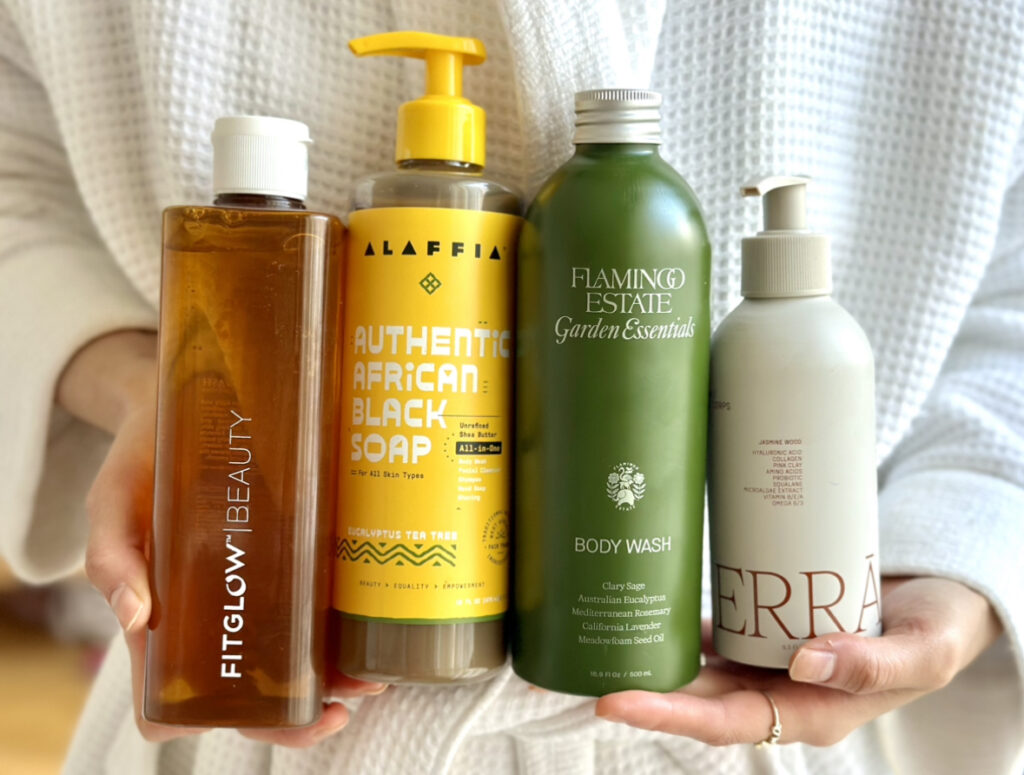
What Is Non Toxic Body Wash and Why Does It Matter?
Every day, the average person applies anywhere from 9 to 15 personal care products to their skin before even leaving the house. That number adds up fast — and so does the chemical exposure that comes with it. Your body wash alone can contain a cocktail of synthetic fragrances, preservatives, and hormone-disrupting chemicals that absorb directly through your skin and into your bloodstream.
A non toxic body wash is a cleansing product formulated without harmful chemicals, synthetic additives, or known toxins. These cleansers rely on plant-derived ingredients, gentle surfactants, and naturally sourced botanicals to clean the skin effectively — without the health trade-offs associated with conventional body washes. The demand for non-toxic personal care has exploded in recent years, and for good reason.
According to a 2023 report by the Environmental Working Group (EWG), over 40% of personal care products on U.S. store shelves contain at least one ingredient linked to cancer, hormone disruption, or developmental harm. The U.S. FDA currently bans or restricts only 11 chemicals in cosmetics. The European Union, by contrast, bans over 1,600. That alarming gap is exactly why knowing how to choose a non toxic body wash is no longer a niche concern — it’s a mainstream health priority.
The Harmful Ingredients to Avoid in Conventional Body Wash
Before you can shop smart, you need to know what you’re shopping away from. Many mainstream body wash brands include ingredients that look harmless on the label but carry serious health risks with repeated exposure.
Synthetic Fragrances
The word “fragrance” on an ingredient label is a legal loophole. It can represent a blend of hundreds of undisclosed chemicals, including phthalates — compounds linked to hormonal disruption, reduced fertility, and developmental issues in children. A study published in Environmental Health Perspectives found phthalates present in the urine of nearly every participant who used scented personal care products.
Parabens
Parabens (methylparaben, propylparaben, butylparaben) are preservatives used to extend shelf life. They mimic estrogen in the body and have been detected in breast tissue samples. The EWG rates many parabens as moderate to high hazard ingredients for endocrine disruption.
Sodium Lauryl Sulfate (SLS) and Sodium Laureth Sulfate (SLES)
These foaming agents are what give conventional body washes their satisfying lather. But they’re also harsh skin irritants. SLES in particular is often contaminated with 1,4-dioxane, a probable human carcinogen according to the EPA, as a byproduct of its manufacturing process.
Formaldehyde-Releasing Preservatives
Ingredients like DMDM hydantoin, quaternium-15, and imidazolidinyl urea slowly release formaldehyde over time. Formaldehyde is classified as a known human carcinogen by the International Agency for Research on Cancer (IARC).
Triclosan
Once widely used as an antibacterial agent, triclosan has been linked to antibiotic resistance and thyroid disruption. It was banned from hand soaps by the FDA in 2016 but can still appear in body wash formulas.
Key Ingredients to Look for in a Non Toxic Body Wash
Switching to a clean, non-toxic body wash doesn’t mean sacrificing performance. The best formulas use powerful natural ingredients that cleanse deeply, moisturize effectively, and leave skin genuinely healthy.
| Ingredient | Benefit | Skin Type |
|---|---|---|
| Aloe Vera | Soothing, hydrating, anti-inflammatory | All, especially sensitive |
| Coconut-derived surfactants | Gentle cleansing, natural foam | All skin types |
| Shea Butter | Deep moisture, skin barrier support | Dry, mature |
| Tea Tree Oil | Antimicrobial, acne-fighting | Oily, acne-prone |
| Glycerin (vegetable) | Draws moisture into skin | All skin types |
| Oat Extract | Calming, anti-itch | Sensitive, eczema-prone |
| Jojoba Oil | Balancing, non-comedogenic | Combination, oily |
| Chamomile Extract | Anti-inflammatory, gentle | Sensitive, babies |
The Best Non Toxic Body Wash Brands in 2026
The market for clean beauty has grown rapidly, giving consumers genuinely excellent options across price points and skin types. Here’s a breakdown of the top-performing non toxic body wash products available right now.
1. Dr. Bronner’s Pure-Castile Liquid Soap
Dr. Bronner’s has been a gold standard in the non-toxic personal care space for decades. Their castile soap is made with certified organic and fair trade ingredients, entirely free from synthetic preservatives, detergents, or foaming agents. It’s biodegradable, cruelty-free, and comes in concentrated form — meaning one bottle lasts significantly longer than a conventional product.
Best for: Eco-conscious shoppers, sensitive skin, whole-family use Key Ingredients: Organic coconut oil, organic palm kernel oil, organic olive oil Certifications: USDA Organic, Fair Trade
2. Everyone 3-in-1 Soap by EO Products
EO Products’ Everyone line is a cult favorite among clean beauty enthusiasts. Their body wash is certified by EWG Verified, meaning every ingredient has been screened against EWG’s strictest safety standards. The formula is packed with botanical extracts, plant oils, and essential oils for fragrance rather than synthetics.
Best for: Budget-conscious buyers, busy families Key Ingredients: Aloe leaf juice, coconut oil, essential oils Certifications: EWG Verified, Leaping Bunny certified, B Corp
3. Beautycounter Body Wash
Beautycounter operates under one of the most rigorous ingredient standards in the industry. Their “Never List” includes over 1,800 questionable or harmful chemicals they commit to never using. Their body wash formulas are rich and creamy, performing on par with luxury conventional products while maintaining full ingredient transparency.
Best for: Luxury seekers, those with chemical sensitivities Key Ingredients: Coconut-derived cleansers, aloe vera, glycerin Certifications: B Corp, EWG Verified partner
4. Attitude Super Leaves Natural Body Wash
Attitude is a Canadian brand built around sustainability and safety. Their body wash line is hypoallergenic, dermatologist-tested, and made with ingredients primarily sourced from nature. The star ingredient — upcycled plant leaves — creates a powerful antioxidant effect on skin while reducing waste.
Best for: Allergy-prone individuals, eco-conscious consumers Key Ingredients: Olive leaf extract, grapefruit leaf extract Certifications: EWG Verified, PETA, B Corp
5. Pipette Baby Wash & Shampoo (Adult-Safe Too)
Originally formulated for newborns, Pipette uses a proprietary plant-derived squalane — a next-level moisturizer that mimics the skin’s own oils. It’s completely free from sulfates, parabens, phthalates, and synthetic fragrance. Adults with extremely sensitive or compromised skin swear by it.
Best for: Eczema, psoriasis, reactive skin, new moms Key Ingredients: Sugarcane-derived squalane, chamomile flower extract Certifications: EWG Verified, dermatologist-tested
Non Toxic Body Wash for Specific Skin Concerns
Not all non-toxic formulas are created equal. Matching your body wash to your specific skin needs is key to getting the best results.
For Dry Skin
Look for non toxic body washes rich in emollient oils like shea butter, argan oil, and avocado oil. These ingredients form a protective barrier that locks in moisture. Avoid formulas with alcohol (ethanol) as it strips the skin’s natural lipids. Brands like Burt’s Bees Milk & Honey Body Wash and Tree to Tub Soapberry Moisturizing Body Wash are particularly well-suited for dry skin types.
For Sensitive or Eczema-Prone Skin
Fragrance — even natural fragrance — can be a trigger for sensitive skin and eczema flares. Opt for fragrance-free non toxic body washes with colloidal oatmeal, glycerin, and minimal ingredient lists. National Eczema Association (NEA) Seal of Acceptance is a certification worth looking for when shopping for eczema-safe body washes.
For Oily or Acne-Prone Skin
Non-toxic cleansers for oily skin should still be gentle enough not to over-strip the skin, which can actually trigger more oil production. Look for tea tree oil, salicylic acid (from willow bark), or zinc as key active ingredients. These address breakouts without the harsh chemical load of conventional acne washes.
Suggested read: Rinseless Car Wash Authority: The Definitive Guide to Best Practices for Safe, Effective Cleaning
For Kids and Babies
Children’s skin is significantly more permeable than adult skin, making ingredient safety even more critical. A truly non toxic body wash for kids should be free from synthetic fragrance, SLS, parabens, and dyes. Look for formulas specifically pediatrician-tested and ideally EWG Verified.
How to Read a Body Wash Label Like an Expert
One of the most empowering skills you can develop as a consumer is the ability to decode a product label. Here’s a step-by-step process:
Step 1: Start With Certifications Certifications like EWG Verified, USDA Organic, Leaping Bunny, and NSF/ANSI 305 signal that a product has been independently evaluated against safety standards.
Step 2: Read the INCI List Ingredients are listed in order of concentration (highest to lowest). If a harmful ingredient appears near the top, it’s present in significant amounts.
Step 3: Use the EWG Skin Deep Database The EWG Skin Deep Database allows you to look up individual ingredients and get hazard scores based on available scientific data. Each ingredient is rated 1–10 (1 being lowest risk).
Step 4: Watch for Greenwashing Red Flags Terms like “natural,” “green,” “eco,” and “clean” have no legal definition in the U.S. cosmetics industry. A product can market itself as “natural” while still containing synthetic fragrances or parabens. Don’t trust marketing language — trust certifications and ingredient lists.
Step 5: Check for Hidden Allergens Even natural ingredients like essential oils, botanical extracts, and plant proteins can trigger allergies in some individuals. If you have known sensitivities, always patch-test a new non toxic body wash before full use.
Non Toxic Body Wash vs. Natural Body Wash: What’s the Difference?
This is one of the most common points of confusion in the clean beauty space, and it’s worth clearing up.
Natural body wash simply means the product contains ingredients derived from natural sources — but there’s no guarantee those ingredients are safe, non-irritating, or that harmful synthetic additives aren’t also present.
Non toxic body wash is a broader safety claim. It means the product has been formulated to avoid ingredients with known or suspected toxicity — whether synthetic or natural in origin. Some naturally-derived ingredients (like certain essential oils or plant alkaloids) can themselves be irritating or harmful at high concentrations.
The ideal product is both natural and non-toxic — plant-based ingredients, transparently sourced, independently verified for safety, and free from all known harmful additives. That’s the gold standard you’re shopping for.
Case Study: The Clean Body Wash Switch in Real Life
Sarah M., 34, Nurse — Portland, Oregon
Sarah had been dealing with recurring skin rashes and unexplained fatigue for two years. After working with a functional medicine doctor and an environmental health specialist, she undertook a full audit of her personal care products. Her conventional body wash, it turned out, contained synthetic fragrance, DMDM hydantoin (a formaldehyde releaser), and SLS.
After switching to an EWG Verified non toxic body wash and eliminating other high-toxin products from her routine, Sarah reported:
- Skin rashes resolved within 6 weeks
- Improved sleep quality
- Reduced brain fog symptoms
- Increased energy levels
While this is a personal account and not a clinical study, it reflects a pattern frequently reported by individuals who undergo comprehensive clean beauty transitions. Reducing total toxic load — often called the “body burden” — is increasingly recognized by integrative medicine practitioners as a meaningful health intervention.
The Environmental Case for Non Toxic Body Wash
Choosing a non toxic body wash isn’t just good for your body — it’s good for the planet. Conventional body wash formulas introduce microplastics, endocrine disruptors, and synthetic chemicals into waterways every time they’re rinsed down the drain.
Ingredients like triclosan are particularly damaging to aquatic ecosystems. A study published in Environmental Science & Technology found triclosan accumulating in freshwater sediment near urban water treatment facilities, where it disrupts algae reproduction and affects fish hormone systems.
Non-toxic, biodegradable body washes break down safely after use, reducing the chemical burden on water systems. Many clean beauty brands also prioritize sustainable packaging — using recycled plastic, post-consumer materials, glass, or refillable systems to further minimize environmental impact.
Price Comparison: Non Toxic Body Wash Across Budget Tiers
One common misconception is that non toxic body washes are always expensive. The reality is more nuanced.
| Budget Tier | Price Range | Top Picks |
|---|---|---|
| Budget-Friendly | $8–$15 | Dr. Bronner’s, Everyone by EO, Seventh Generation |
| Mid-Range | $16–$28 | Attitude Super Leaves, Acure, Weleda |
| Premium | $29–$50 | Beautycounter, True Botanicals, Follain |
| Luxury | $50+ | Tata Harper, Monastery Made, Province Apothecary |
It’s worth noting that concentrated formulas — particularly castile soaps — deliver significantly more washes per bottle, making their cost-per-use lower than their sticker price suggests. A $15 bottle of Dr. Bronner’s concentrated soap, for example, can replace up to three bottles of conventional body wash.
How Non Toxic Body Wash Connects to Your Overall Wellness Routine
Your body wash is just one piece of a larger personal care puzzle. Clean beauty advocates frequently emphasize the concept of cumulative exposure — the idea that no single product poses catastrophic risk, but the daily, repetitive exposure to low-level toxins across multiple products adds up over time.
Pairing your non toxic body wash with clean alternatives in other categories — shampoo, conditioner, deodorant, lotion — dramatically reduces your total chemical exposure. This holistic approach is sometimes called a “clean swap” strategy, and it’s one of the most recommended approaches by integrative health practitioners and environmental health scientists alike.
Just as keeping your clothes clean is easier with a reliable machine — and knowing the right coin operated washer and dryer setup helps you maintain clean laundry efficiently — building a clean body care routine starts with the right foundational products.
What Certifications Actually Mean for Non Toxic Body Wash
Understanding certifications helps you cut through marketing noise and make genuinely informed purchases.
EWG Verified™ Products earn this seal by meeting EWG’s strictest standards: full ingredient disclosure, no ingredients on EWG’s “Unacceptable” list, and good manufacturing practices. This is one of the most rigorous third-party certifications in the U.S. personal care market.
USDA Organic At least 95% of ingredients must be certified organic. This certification addresses pesticide residue concerns in plant-derived ingredients but doesn’t comprehensively screen for all harmful synthetic chemicals.
Leaping Bunny / PETA Cruelty-Free These certifications confirm no animal testing at any stage of product development or supply chain. They don’t evaluate ingredient safety specifically.
NSF/ANSI 305 This standard applies to personal care products marketed as “natural” and requires at least 70% certified organic content. It also restricts specific harmful chemicals.
B Corp Certified A B Corp certification evaluates a company’s entire social and environmental performance — not just its products. B Corp brands tend to be more holistically committed to transparency and sustainability.
Non Toxic Body Wash: Frequently Asked Questions
Is non toxic body wash effective at actually cleaning skin?
Absolutely. Non toxic body washes use plant-derived surfactants — like cocamidopropyl betaine from coconut oil or decyl glucoside from corn glucose — that are highly effective at lifting dirt, oil, and bacteria from the skin. Many people find that their skin actually feels better after switching, because harsh synthetic surfactants in conventional washes strip the skin’s natural microbiome and moisture barrier.
Can I use non toxic body wash on my baby?
Yes — in fact, it’s especially recommended for babies. Infant skin is up to five times more permeable than adult skin, meaning chemicals absorb more readily. Look for formulas specifically designed for infants, labeled fragrance-free, and carrying certifications like EWG Verified or NEA Seal of Acceptance. Brands like Pipette, Babo Botanicals, and Honest Company offer highly rated non toxic options for babies.
Suggested read: Clean Express Auto Wash — Part 30: Expansion Blitz, Tech Upgrades, and the Fight for Market Share
What makes a body wash “non toxic” exactly?
A non toxic body wash avoids ingredients classified as toxic, carcinogenic, endocrine-disrupting, or harmful to human health by major scientific and regulatory bodies. This typically means being free from parabens, SLS/SLES, synthetic fragrance, formaldehyde releasers, phthalates, triclosan, and 1,4-dioxane. Many brands use third-party certifications to back these claims.
Are non toxic body washes safe for people with sensitive skin?
Generally yes — and often superior to conventional options for sensitive skin. However, even clean formulas can contain essential oils or botanical extracts that may irritate reactive skin. If you have highly sensitive skin, opt for fragrance-free, minimal-ingredient non toxic body washes and patch test before full use.
How do I know if a body wash is truly non toxic or just “greenwashing”?
Look beyond marketing language. Terms like “natural,” “clean,” and “green” have no legal definitions in the U.S. cosmetics industry. Instead, check for independent certifications (EWG Verified, USDA Organic), read the full ingredient list on the EWG Skin Deep database, and research the brand’s ingredient transparency policies. Brands with a published “never list” of banned chemicals tend to be more trustworthy.
Is non toxic body wash more expensive than conventional options?
Not always. Budget-friendly options like Dr. Bronner’s and Everyone by EO Products are available for under $15 and often last longer due to concentrated formulas. Mid-range and premium options exist across all price points. Over time, many people find that switching to non toxic body wash doesn’t significantly increase their personal care spending.
Where can I buy non toxic body wash?
Non toxic body wash is now widely available at major retailers including Whole Foods, Target (via their Target Clean program), Thrive Market (often at a discount), iHerb, and directly from brand websites. The EWG Skin Deep database also features a shopping function that filters for verified clean products.
Citations and Sources
- Environmental Working Group. EWG Skin Deep Cosmetics Database. https://www.ewg.org/skindeep/
- Calafat, A.M., et al. (2011). “Urinary Concentrations of Four Parabens in the U.S. Population.” Environmental Health Perspectives. National Institutes of Health.
- U.S. Environmental Protection Agency. 1,4-Dioxane Fact Sheet. https://www.epa.gov
- International Agency for Research on Cancer (IARC). Monographs on the Evaluation of Carcinogenic Risks to Humans – Formaldehyde. World Health Organization.
- Dann, A.B., & Hontela, A. (2011). “Triclosan: environmental exposure, toxicity, and mechanisms of action.” Journal of Applied Toxicology.
- U.S. Food & Drug Administration. Prohibited & Restricted Ingredients in Cosmetics. https://www.fda.gov/cosmetics
- European Commission. Cosmetics Regulation (EC) No 1223/2009 — Annex II: Prohibited Substances.
- Weatherly, L.M., & Gosse, J.A. (2017). “Triclosan exposure, transformation, and human health effects.” Journal of Toxicology and Environmental Health, Part B.
💡 Ready to make the switch? Explore top-rated non toxic body wash options and start building a cleaner, safer personal care routine today. Your skin absorbs everything — make sure what it absorbs is working for you, not against you.
Leave a Reply