In this guide
Why Coin Operated Washer and Dryer Machines Still Matter
Walk into any busy laundromat, apartment complex, college dormitory, or RV park, and you’ll almost certainly find a coin operated washer and dryer humming away. These machines have been a staple of shared laundry spaces for decades — and for good reason. They are reliable, self-sufficient, and generate consistent revenue for property owners while giving residents and customers a convenient laundry solution without the upfront cost of owning their own appliances.
The global commercial laundry equipment market was valued at $4.7 billion in 2023 and is projected to reach $6.8 billion by 2030, growing at a CAGR of approximately 5.4%, according to Grand View Research. A large portion of that market is driven by coin-operated machines in laundromats, multi-family housing, and hospitality.
Whether you are a property manager looking to install laundry facilities, an entrepreneur thinking about opening a laundromat, or simply a renter trying to understand how these machines work, this article covers everything you need to know about coin operated washer and dryer systems. From costs and features to maintenance, revenue potential, and modern alternatives, we’ve got it all here.
What Is a Coin Operated Washer and Dryer?
A coin operated washer and dryer is a commercial-grade laundry machine designed to be activated by inserting coins or tokens — and increasingly, by card swipes or mobile payments. Unlike residential machines, these units are built to handle high-volume, continuous use throughout the day by multiple users.
The key components that distinguish a coin-operated machine from a standard home appliance include:
- A coin acceptor or payment system — the mechanism that reads, validates, and collects coins or accepts card/mobile payments
- A heavy-duty drum and motor — designed for far more wash cycles per day than home machines
- A reinforced exterior cabinet — built to resist vandalism and daily wear
- A coin vault or cash box — a secure, lockable compartment where collected coins are stored
- Commercial-grade electronic controls — more durable and serviceable than residential boards
These machines are typically owned by the laundromat operator, property manager, or a laundry route operator who services multiple locations. The revenue model is simple: users pay per cycle, and the owner collects and keeps the proceeds after deducting operating costs.
“The coin-operated laundry business is one of the most stable cash businesses in America. Laundry is a need, not a want.” — Bob Nieman, Coin Laundry Association
How Does a Coin Operated Washer and Dryer Work?
Understanding the mechanics of a coin operated washer and dryer helps both operators and users get the most out of these machines.
The Payment Activation Process
- The user inserts coins (typically quarters in the U.S.) or swipes a card into the payment panel
- The coin acceptor validates each coin using magnets and weight sensors to reject counterfeits
- Once the required amount is reached, the machine unlocks and allows the user to select a cycle
- The cycle runs and the machine automatically relocks when the cycle ends, requiring new payment for the next use
Wash Cycle Mechanics
The washer fills with water to the selected temperature, agitates or tumbles the laundry with detergent, drains and spins out excess water, then completes a rinse and final spin. Front-load commercial washers use a horizontal drum that tumbles clothes through water, while top-load models use an agitator or impeller.
Dryer Mechanics
The dryer uses a gas burner or electric heating element to heat air, which is tumbled through the clothes inside a rotating drum. A thermostat regulates the heat, and a timer or moisture sensor determines when the cycle ends. Gas dryers are generally preferred in commercial settings because they are faster and cheaper to operate than electric models.
Types of Coin Operated Washer and Dryer Machines
Not all coin-operated laundry machines are the same. They come in several configurations, capacities, and payment types.
By Washer Design
| Type | Drum Orientation | Best For | Efficiency |
|---|---|---|---|
| Top-Load | Vertical | Low-volume locations | Lower water efficiency |
| Front-Load | Horizontal | High-volume laundromats | Higher water & energy efficiency |
| Stack Units | Stacked dryer over washer | Space-constrained locations | Excellent space savings |
By Capacity
- Small-capacity (10–15 lbs): Suitable for apartments and dormitories
- Medium-capacity (18–30 lbs): The most common size for laundromats
- Large-capacity (40–80 lbs): For comforters, sleeping bags, and high-volume commercial use
- Extra-large (100+ lbs): Laundromats targeting commercial customers or linen services
By Payment Method
Modern coin operated washer and dryer machines have evolved well beyond simple coin slots:
- Coin-only: Traditional quarter-operated systems; low upfront cost, simple maintenance
- Card-operated: Accept debit/credit cards via a swipe or tap reader
- App/mobile payment: Users pay via a smartphone app (common in newer laundromats)
- Multi-payment (hybrid): Accept coins, cards, and mobile payments simultaneously
Pro Tip: Hybrid payment machines typically increase revenue by 15–25% because they remove the barrier of needing exact change, according to the Coin Laundry Association.
How Much Does a Coin Operated Washer and Dryer Cost?
Cost is one of the most critical factors when evaluating a coin operated washer and dryer for your property or business. Prices vary significantly based on the brand, capacity, and features.
Purchase Price Ranges
| Machine Type | New Price Range | Refurbished Price Range |
|---|---|---|
| Top-Load Washer (small) | $800 – $1,500 | $300 – $700 |
| Front-Load Washer (medium) | $2,000 – $5,000 | $800 – $2,500 |
| Front-Load Washer (large) | $5,000 – $12,000 | $2,000 – $6,000 |
| Stack Washer/Dryer Unit | $3,000 – $7,000 | $1,200 – $3,500 |
| Commercial Gas Dryer | $1,500 – $4,500 | $600 – $2,200 |
Additional Costs to Factor In
Beyond the sticker price, you need to budget for:
- Installation: Plumbing, electrical, and gas hookups can add $500–$3,000 per machine depending on existing infrastructure
- Venting (dryers): Proper exhaust venting is required by code and typically costs $200–$800
- Payment system upgrades: Adding a card reader can cost $300–$1,500 per machine
- Coin vaults and security hardware: $100–$500
- Annual maintenance contracts: Typically 5–10% of machine cost per year
- Utility costs: Water, gas/electricity, and sewer fees are ongoing operating expenses
Leasing vs. Buying
Many property managers choose to lease coin-operated laundry equipment from a route operator rather than buying outright. Under this model:
- The route operator installs machines at no cost to the property owner
- The operator handles all maintenance and repairs
- Revenue is split between the operator and the property owner (typically 50/50 or 60/40 in the operator’s favor)
This model eliminates upfront capital investment but reduces long-term revenue potential. Buying your own machines delivers 2–4x more revenue per cycle but requires active management.
Best Brands of Coin Operated Washer and Dryer
The commercial laundry equipment market is dominated by a handful of trusted manufacturers known for durability and serviceability.
1. Speed Queen
Speed Queen is widely regarded as the gold standard in commercial laundry. Their machines are known for exceptional build quality, long lifespan (20+ years with proper maintenance), and ease of service. Their TR and TC series are favorites among laundromat owners.
- Pros: Extremely durable, excellent parts availability, strong resale value
- Cons: Higher upfront cost than competitors
2. Maytag Commercial
Maytag Commercial Laundry (owned by Whirlpool) offers a strong lineup of coin-operated machines with robust payment system options. Their multi-load washers are popular in apartment complexes.
- Pros: Wide distribution, good warranty support, recognized brand
- Cons: Some models have higher repair frequency than Speed Queen
3. Electrolux Professional
Electrolux Professional makes high-efficiency front-load washers and dryers popular in hotels, hospitals, and upscale laundromats. Their machines excel in energy efficiency and wash quality.
- Pros: Outstanding energy efficiency, quiet operation, advanced programming
- Cons: Higher maintenance cost, requires trained technicians
4. Dexter Laundry
Dexter is a U.S.-based manufacturer known for straightforward, reliable machines at competitive price points. A popular choice for new laundromat operators.
- Pros: Made in the USA, strong dealer network, competitive pricing
- Cons: Not as widely recognized as Speed Queen or Maytag
5. Continental Girbau
Continental Girbau specializes in high-capacity commercial laundry equipment used by on-premises laundry (OPL) operations in hotels, nursing homes, and fitness clubs.
- Pros: Excellent for large-capacity needs, strong energy and water efficiency
- Cons: Overkill for small laundromats; higher cost
Revenue Potential of Coin Operated Washer and Dryer Machines
One of the biggest reasons entrepreneurs invest in coin operated washer and dryer equipment is the strong passive income potential.
How Much Can a Laundromat Earn?
According to the Coin Laundry Association, the average laundromat in the United States generates between $30,000 and $1,000,000 in annual gross revenue, with most falling in the $150,000–$300,000 range. The wide variance depends on location, size, equipment, and hours of operation.
A single coin operated washer running 10 cycles per day at $2.50 per cycle generates:
- Daily revenue: $25
- Monthly revenue: ~$750
- Annual revenue per machine: ~$9,000
A well-run laundromat with 20 washers and 20 dryers can realistically generate $250,000–$400,000 per year in gross revenue.
Revenue by Machine Placement
| Location Type | Avg. Cycles/Day per Machine | Avg. Price per Cycle | Est. Annual Revenue/Machine |
|---|---|---|---|
| High-traffic laundromat | 12–18 | $2.50–$4.50 | $11,000–$30,000 |
| Apartment complex | 4–8 | $2.00–$3.00 | $3,000–$8,800 |
| College dormitory | 8–14 | $1.75–$2.50 | $5,100–$12,800 |
| Hotel/motel guest laundry | 5–10 | $2.00–$3.50 | $3,650–$12,800 |
Pricing Strategy
Setting the right price per cycle is a balancing act. Charge too little and you leave money on the table; charge too much and customers go elsewhere. Most operators benchmark against local competitors and adjust for:
- Utility costs in their area
- Machine capacity (larger machines justify higher prices)
- Amenities offered (free WiFi, TVs, and clean facilities support premium pricing)
- Time of day (some operators use off-peak discounts to spread demand)
How to Start a Coin Operated Laundry Business
Starting a coin operated washer and dryer business requires careful planning. Here’s a condensed roadmap:
Step 1: Market Research
Identify your target location by analyzing population density, proximity to apartment complexes without in-unit laundry, and existing competition. Aim for locations where 30–50% of households lack in-home laundry.
Step 2: Write a Business Plan
A solid laundromat business plan should include:
- Equipment list and costs
- Projected revenue and expenses
- Break-even analysis
- Financing strategy
- Marketing plan
Step 3: Secure Financing
Common funding options for coin-operated laundry businesses include:
Suggested read: Roper Washer: Everything You Need to Know Before You Buy or Repair One
- SBA 7(a) loans — the most popular route for small laundromat owners
- Equipment financing — lenders finance machines using the equipment as collateral
- USDA Business & Industry loans — for rural locations
- Private investors or partnerships
Step 4: Find a Location and Sign a Lease
Look for commercial spaces with:
- Adequate floor space (minimum 800–1,200 sq ft for a small laundromat)
- Three-phase electrical service
- Floor drains and adequate plumbing
- High visibility and easy parking
Step 5: Purchase and Install Equipment
Work with a reputable commercial laundry equipment distributor. Request a layout design, equipment recommendations based on your market, and an installation timeline.
Step 6: Obtain Licenses and Permits
Requirements vary by state and municipality but typically include:
- Business license
- Certificate of occupancy
- Health/sanitation inspection (in some jurisdictions)
- Signage permits
Step 7: Market Your Business
Use Google Business Profile, local social media ads, flyers in nearby apartment complexes, and loyalty programs to drive traffic.
Maintenance Tips for Coin Operated Washer and Dryer Machines
Proper maintenance is the #1 factor in extending the life of your coin operated washer and dryer equipment and avoiding costly downtime.
Daily Maintenance Checklist
- ✅ Wipe down exterior surfaces and control panels
- ✅ Clean lint traps in all dryers after each shift
- ✅ Inspect coin acceptors for jams or debris
- ✅ Check for water leaks around washers
- ✅ Empty and secure coin vaults
Weekly Maintenance Checklist
- ✅ Run a cleaning cycle on all washers using a commercial drum cleaner
- ✅ Inspect door seals and gaskets for wear or mold
- ✅ Check dryer venting for lint buildup
- ✅ Test all payment systems
- ✅ Lubricate hinges and mechanical parts per manufacturer specs
Monthly/Quarterly Maintenance Checklist
- ✅ Inspect and clean water inlet filters
- ✅ Check belt tension and motor bearings
- ✅ Test and calibrate coin acceptors
- ✅ Inspect electrical connections and control boards
- ✅ Schedule professional technician inspection
Did you know? Clogged dryer vents are the leading cause of dryer fires in commercial laundry facilities. The U.S. Fire Administration reports approximately 2,900 dryer fires in residential and commercial settings annually, with 34% caused by failure to clean the dryer.
Common Repairs and Their Costs
| Problem | Likely Cause | Estimated Repair Cost |
|---|---|---|
| Washer won’t spin | Worn belt or motor fault | $150–$400 |
| Washer leaking | Damaged door seal or hose | $80–$250 |
| Dryer won’t heat | Faulty igniter or heating element | $100–$350 |
| Coin acceptor jamming | Worn coin sensor or debris | $50–$200 |
| Control board failure | Power surge or age | $200–$600 |
Coin Operated vs. Card-Operated vs. App-Based Laundry Machines
The coin operated washer and dryer market is evolving rapidly. Many modern operators are moving away from pure coin systems toward card and app-based payment platforms.
Comparison Table
| Feature | Coin-Only | Card-Only | App/Mobile | Hybrid |
|---|---|---|---|---|
| Upfront cost | Lowest | Medium | Medium-High | Highest |
| Ease of use | Familiar | Easy | Requires smartphone | Most flexible |
| Revenue tracking | Manual | Automatic | Automatic + analytics | Automatic + analytics |
| Maintenance complexity | Low | Medium | Medium | Medium-High |
| Revenue potential | Baseline | +10–15% | +15–25% | +20–30% |
| Vandalism/theft risk | Highest | Low | Very low | Low |
Most industry experts now recommend hybrid payment systems that accept coins, cards, and mobile payments simultaneously. This approach maximizes accessibility while reducing the security risks associated with large amounts of cash on-site.
Coin Operated Washer and Dryer for Apartment Buildings
Installing a coin operated washer and dryer in an apartment building is one of the most effective ways to add amenity value while generating passive income.
Key Considerations for Apartment Laundry Rooms
Location within the building matters enormously. Laundry rooms on the ground floor or basement are easiest for plumbing and venting but may feel less safe. Mid-floor locations near elevator banks tend to see the highest usage.
Adequate ventilation is non-negotiable. Gas dryers produce combustion gases that must be vented outdoors. Improper venting is both a code violation and a safety hazard.
Security is a constant concern. Well-lit, camera-monitored laundry rooms experience significantly less vandalism and theft. Consider:
- Installing CCTV cameras covering all machines
- Using smart card payment systems to eliminate cash
- Keeping the room well-lit at all times
- Installing reinforced doors with key fob or code access
Machine sizing for apartments should lean toward medium-capacity (18–20 lb) washers that handle a household’s weekly laundry in 1–2 loads. Oversized machines are underutilized; undersized machines create wait times and frustration.
Revenue Sharing vs. Self-Ownership for Apartments
| Model | Pros | Cons |
|---|---|---|
| Revenue sharing with route operator | No capital investment, no maintenance headaches | Lower revenue share (30–50% of gross) |
| Self-ownership | Keep 100% of revenue | Requires capital, maintenance management |
| Lease-to-own | Builds toward ownership | Higher monthly payments initially |
For buildings with 20+ units, self-ownership typically becomes financially superior within 3–5 years.
Environmental Impact and Energy Efficiency
Modern coin operated washer and dryer machines have made enormous strides in environmental sustainability. This matters not only for the planet but for your operating costs.
Energy Star Certified Commercial Washers
ENERGY STAR certified commercial washers use:
- 35–50% less water than non-certified models
- 20–30% less energy per cycle
- Modified Energy Factor (MEF) ratings of 2.0 or higher
For a laundromat running 200 wash cycles per day, switching to ENERGY STAR certified machines can save $3,000–$8,000 per year in water and energy costs.
Water Usage Comparison
| Machine Type | Water Per Cycle |
|---|---|
| Standard top-load (non-HE) | 40–55 gallons |
| High-efficiency top-load | 15–28 gallons |
| Front-load commercial HE | 10–18 gallons |
Gas vs. Electric Dryers: The Operating Cost Difference
In commercial settings, gas dryers cost roughly 50–60% less to operate per cycle than electric dryers, assuming average U.S. utility rates. For a dryer running 15 cycles per day:
- Electric dryer: ~$1.20/day in energy costs → ~$438/year
- Gas dryer: ~$0.50/day in energy costs → ~$183/year
That’s a $255 annual savings per dryer — significant when multiplied across a fleet of 10–20 machines.
Case Study: How One Laundromat Doubled Revenue with Modern Coin-Operated Equipment
Background: A laundromat in Memphis, Tennessee had been operating with 15-year-old top-load coin washers and electric dryers. Revenue had stagnated at $85,000/year, and the owner was facing increasing repair bills.
The Change: The owner replaced all equipment with new front-load Speed Queen commercial washers and gas dryers, added hybrid coin/card payment readers, improved lighting, and added free WiFi.
Results after 12 months:
- Annual gross revenue increased from $85,000 to $172,000
- Utility costs dropped by 28% due to high-efficiency machines
- Maintenance costs dropped by 45% (new machines vs. old, failing ones)
- Customer dwell time and spend on ancillary vending machines increased by 30%
Key Takeaway: Investing in modern coin operated washer and dryer equipment with updated payment systems can deliver a measurable and rapid return on investment.
Pressure Washing and Equipment Cleaning for Laundromats
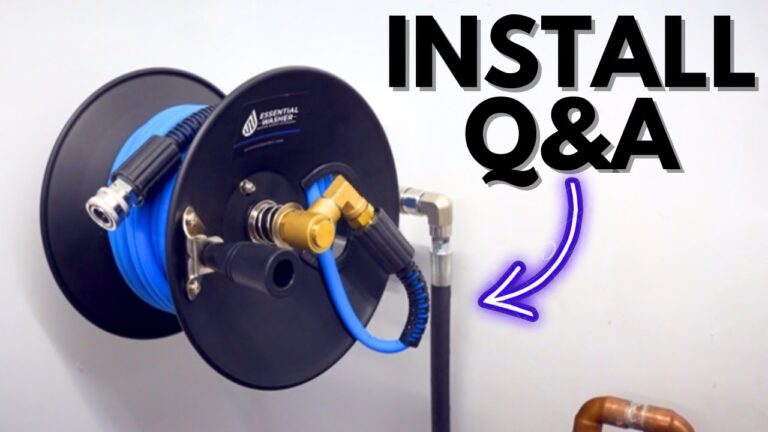
Keeping your laundromat equipment and facility clean is essential for customer satisfaction and machine longevity. Many laundromat owners use pressure washing to deep-clean machine exteriors, floors, and utility areas. If you’re exploring wall-mounted pressure washing options for your commercial space, check out this guide on wall mounted pressure washer systems — a convenient, space-saving solution for keeping your facility spotless without bulky equipment taking up floor space.
Common Problems with Coin Operated Washer and Dryer Machines (And How to Solve Them)
Even the best coin operated washer and dryer systems encounter issues. Here are the most common problems operators face and proven solutions:
Problem 1: Coin Acceptor Rejecting Valid Coins
Cause: Worn coin sensor, dirty acceptor, or calibration drift. Solution: Clean the acceptor with compressed air, recalibrate per the manufacturer’s instructions, or replace the sensor module. Most coin acceptors cost $30–$80 to replace.
Problem 2: Washer Leaving Clothes Too Wet
Cause: Overloading, worn spin bearing, or drain restriction. Solution: Post clear load capacity guidelines for users. Inspect and replace worn bearings. Check drain hose for blockages.
Problem 3: Dryer Taking Multiple Cycles to Dry Clothes
Cause: Clogged lint trap, blocked exhaust vent, or failing heating element. Solution: Clean lint traps daily. Inspect and clean exhaust ducting quarterly. Test and replace the heating element or igniter as needed.
Problem 4: Machine Accepting Payment But Not Starting
Cause: Control board fault, door switch failure, or wiring issue. Solution: Check door latch and switch continuity. Inspect wire harness for damage. Control board replacement may be needed if diagnostics show a board fault.
Problem 5: Vandalism and Coin Box Theft
Cause: Inadequate security measures. Solution: Install CCTV cameras with remote monitoring capability. Switch to cashless or hybrid payment systems. Use high-security coin vaults with pick-resistant locks.
Regulations and Compliance for Coin Operated Laundry Machines
Operating coin operated washer and dryer equipment requires compliance with several layers of regulation.
Building and Safety Codes
- International Building Code (IBC) and local amendments govern ventilation, egress, and occupancy requirements
- National Electrical Code (NEC) mandates proper wiring, grounding, and circuit protection
- Local plumbing codes specify drain sizes, water pressure requirements, and backflow prevention
ADA Compliance
The Americans with Disabilities Act (ADA) requires that laundry facilities accessible to the public provide:
- At least one accessible washer and one dryer with front controls within reach range
- Accessible approach paths and floor space for wheelchair users
- Operable controls that don’t require tight grasping or twisting
Environmental Regulations
- Wastewater discharge: Commercial laundry operations may need to comply with local pre-treatment requirements for discharge into municipal sewer systems
- Lint trap and filter disposal: Must comply with local solid waste regulations
- Refrigerants (if applicable): Any equipment containing refrigerants must comply with EPA Section 608 rules
Call to Action: Ready to Invest in a Coin Operated Washer and Dryer?
Whether you’re opening your first laundromat, upgrading an apartment laundry room, or expanding an existing coin-operated laundry route, making the right equipment choice is critical. A coin operated washer and dryer is more than a machine — it’s a long-term business asset that can generate reliable passive income for 10–20 years when properly selected and maintained.
Here’s what to do next:
- Assess your location and market — How many potential users do you have? What are competitors charging?
- Get multiple equipment quotes — Contact at least 3 commercial laundry equipment distributors
- Run the numbers — Use a simple ROI calculator to project your payback period
- Choose the right payment system — Seriously consider hybrid coin/card systems for maximum revenue
- Plan for maintenance from day one — Budget for a service contract or establish a relationship with a local technician
Explore your coin operated washer and dryer options today and take the first step toward building a reliable, cash-generating laundry business.
Frequently Asked Questions About Coin Operated Washer and Dryer
What coins do coin operated washer and dryer machines accept?
Most coin operated washer and dryer machines in the United States are designed to accept U.S. quarters ($0.25). Some machines also accept dollar coins. The coin acceptor mechanism uses weight, size, and magnetic properties to validate coins and reject counterfeits or foreign currency. Many modern machines are being upgraded to accept credit/debit cards and mobile payments in addition to coins.
How much does it cost to use a coin operated washer and dryer?
The average cost to use a coin operated washer in the U.S. ranges from $1.75 to $4.50 per cycle, depending on machine size and location. Dryers typically cost $0.25 per 8–10 minutes of drying time. High-capacity machines (40+ lbs) often charge $4.00–$6.00 per wash cycle. Prices in urban areas and high cost-of-living cities tend to be higher than in rural or suburban locations.
How long does a coin operated washer and dryer cycle take?
A standard coin operated washer cycle runs approximately 25–45 minutes, depending on the cycle selected (delicate, normal, heavy-duty). A coin operated dryer cycle is sold in time increments — usually 8–10 minutes per quarter — and most loads require 30–60 minutes of drying time. High-efficiency front-load washers may take slightly longer (45–60 minutes) but extract more water, which can reduce dryer time needed.
Can coin operated washer and dryer machines be converted to card-only payment?
Yes. Most modern coin operated washer and dryer machines can be retrofitted with card reader modules from payment system providers such as PayRange, CCI, or Setomatic. The conversion typically costs $300–$1,500 per machine and allows you to accept credit cards, debit cards, and in some cases, mobile app payments. Some operators choose hybrid systems that accept both coins and cards simultaneously to maximize customer convenience.
How profitable is owning coin operated washer and dryer machines?
Profitability depends heavily on location, number of machines, pricing, and operating costs. A well-located coin operated washer and dryer business can achieve a net profit margin of 20–35% on gross revenue. The average laundromat takes 2–4 years to break even on the initial investment and can generate $50,000–$200,000 in annual net profit once established. Route operators servicing multiple apartment buildings typically achieve ROI within 3–5 years on self-owned equipment.
Suggested read: Best Pressure Washer With Water Tank: Everything You Need to Know Before You Buy
What is the lifespan of a coin operated washer and dryer?
Commercial-grade coin operated washer and dryer machines are built for longevity. With proper maintenance, a quality machine from brands like Speed Queen or Dexter can last 15–25 years. The average lifespan is closer to 15–18 years for heavily used laundromat machines. Control boards and coin acceptors may need replacement every 5–8 years, while mechanical components like bearings and belts typically need attention every 3–5 years.
Do I need a license to operate coin operated washer and dryer machines?
Requirements vary by state and municipality. Most locations require a standard business license and a certificate of occupancy for the facility. Some states require a specific retail or service business license. Laundromats typically do not require specialized laundry-specific licenses, but they must comply with local building codes, fire safety requirements, plumbing standards, and ADA accessibility guidelines. Always consult your local city or county clerk’s office before opening.
Are coin operated washer and dryer machines a good investment in 2025?
Yes, coin operated washer and dryer machines remain a strong investment in 2025. The fundamentals of the laundromat business — consistent demand, cash-based revenue, low staffing requirements — remain intact. The rise of cashless payment options has actually expanded the customer base and increased per-machine revenue. The key risks include rising utility costs and competition from in-unit laundry in newer apartment buildings, but these are manageable with proper location selection and equipment upgrades.
Conclusion: The Enduring Value of Coin Operated Washer and Dryer Equipment
The coin operated washer and dryer remains one of the most dependable and accessible commercial laundry solutions available. From bustling urban laundromats to quiet apartment building utility rooms, these machines serve millions of Americans every day and continue to generate steady, reliable income for savvy operators.
As the industry evolves, the best operators are those who combine the proven reliability of commercial-grade coin-operated equipment with modern payment flexibility, strong maintenance practices, and a focus on customer experience. Whether you’re starting from scratch or upgrading an existing operation, the fundamentals haven’t changed: buy quality equipment, keep it well maintained, price it fairly, and choose your location wisely.
The laundry business isn’t glamorous — but it is resilient. People will always need clean clothes, and a well-run coin operated washer and dryer operation will always have customers walking through the door.
Citations and Sources
- Grand View Research. (2023). Commercial Laundry Equipment Market Size, Share & Trends Analysis Report. Retrieved from https://www.grandviewresearch.com
- Coin Laundry Association. State of the Coin Laundry Industry Report. Retrieved from https://www.coinlaundry.org
- U.S. Fire Administration. Clothes Dryer Fires in Residential Buildings. Federal Emergency Management Agency (FEMA). Retrieved from https://www.usfa.fema.gov
- U.S. Environmental Protection Agency. ENERGY STAR Certified Commercial Washing Machines. Retrieved from https://www.energystar.gov
- U.S. Department of Justice. ADA Standards for Accessible Design — Laundry Areas. Retrieved from https://www.ada.gov
- Coin Operated Washer and Dryer — WashSelfService.com
Last updated: March 2026