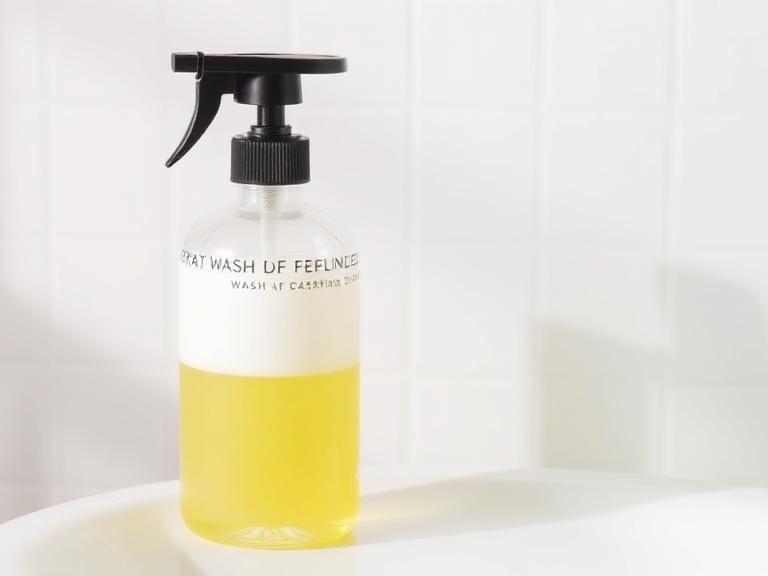
 Whether you’re detailing a car, cleaning lab equipment, or keeping a kitchen spotless, the right wash bottle can make all the difference. These compact, versatile tools are used in dozens of industries — from automotive care to scientific research — and yet most people never give them a second thought. This post dives deep into the world of wash bottles: what they are, how they work, which types suit which tasks, and how to choose the best one for your needs.
What Is a Wash Bottle?
A wash bottle is a squeezable or pressure-driven container designed to dispense liquids in a controlled stream or spray. Originally popularized in laboratory settings, wash bottles have since become essential tools in automotive detailing, home cleaning, gardening, hair care, and food service industries.
The basic design consists of a squeeze-resistant body, a nozzle or tube, and a cap or tip that directs liquid flow. Most wash bottles are made from LDPE (Low-Density Polyethylene) or HDPE (High-Density Polyethylene) — both of which are chemical-resistant, lightweight, and durable.
“The best tool in any cleaning arsenal is precision. A well-designed wash bottle puts liquid exactly where you need it — no waste, no mess.” — Professional Auto Detailer, Detail King Academy
Why the Wash Bottle Market Is Growing Fast
The global squeeze bottle and dispensing container market was valued at $4.2 billion in 2023 and is projected to reach $6.1 billion by 2030, growing at a CAGR of approximately 5.5% (Source: Grand View Research). This surge is driven by:
- Rising demand in laboratory and pharmaceutical applications
- Growth in DIY car detailing and professional auto care
- Expansion of home cleaning product packaging
- Increased interest in eco-friendly, refillable containers over single-use plastic
This data tells a clear story: wash bottles aren’t a niche product. They’re a growing category with broad consumer and commercial appeal.
Types of Wash Bottles: Which One Is Right for You?
Not all wash bottles are created equal. Understanding the different types helps you select the best option for your specific application.
1. Squeeze Wash Bottles
The most common type. Squeeze the body, and liquid flows through the nozzle. These are ideal for:
- Car wash and detailing (applying soap, rinse aid, or degreaser)
- Kitchen cleaning (dish soap, vinegar solutions)
- Hair care (water misting, applying conditioning rinse)
Pros: Affordable, widely available, easy to use
Cons: Less precise flow control, can leak if overfilled
2. Laboratory Wash Bottles
Designed for scientific and chemical applications, these bottles feature a long internal tube that draws liquid up when you squeeze. They dispense solvents, distilled water, and reagents with minimal contamination risk.
Common materials include:
- LDPE — general-purpose lab use
- HDPE — stronger resistance to harsher chemicals
- PTFE-lined — for aggressive acids and solvents
Lab wash bottles are typically sold in 250ml, 500ml, and 1000ml sizes and are color-coded by application (e.g., red cap = flammable, blue = water, yellow = acids).
3. Pressurized Spray Wash Bottles
These use compressed air or a pump mechanism to create a consistent mist or stream without squeezing. They are popular in:
- Professional car wash stations (rinsing, pre-soaking)
- Agriculture (applying herbicides, fertilizers)
- Barber and hair salons (precision water misting)
4. ESD (Electrostatic Discharge) Wash Bottles
Used in electronics manufacturing and semiconductor labs, ESD wash bottles are made from anti-static materials to prevent accidental discharge that could damage sensitive components. They’re typically used to apply isopropyl alcohol (IPA) during circuit board cleaning.
5. Collapsible Wash Bottles
Lightweight and travel-friendly, these are popular with campers, backpackers, and outdoor enthusiasts who need portable cleaning solutions without extra bulk. They fold flat when empty.
Wash Bottle Size Guide
Choosing the right capacity depends on your use case. Here’s a quick reference table:
| Size | Best For | Common Application |
|---|---|---|
| 100ml – 250ml | Precision tasks | Lab reagents, electronics cleaning |
| 300ml – 500ml | General cleaning | Car detailing, kitchen, hair care |
| 750ml – 1L | Heavy-duty use | Commercial cleaning, garden spray |
| 1L+ | Industrial / bulk | Car wash stations, agriculture |
Wash Bottle Materials: A Deep Dive
The material of a wash bottle determines its chemical compatibility, durability, and safety. Here’s a breakdown:
LDPE (Low-Density Polyethylene)
- Most common material for squeeze wash bottles
- Flexible, squeezable, lightweight
- Resistant to most diluted chemicals
- Not suitable for aromatic hydrocarbons, chlorinated solvents
HDPE (High-Density Polyethylene)
- Stiffer and more durable than LDPE
- Better resistance to chemicals and UV exposure
- Often used for outdoor and automotive-grade bottles
Polypropylene (PP)
- High heat resistance — safe for autoclave sterilization
- Used in medical-grade and food-safe applications
- Less flexible; not ideal for squeeze dispensing
Glass Wash Bottles
- Non-reactive — safest for concentrated acids and reactive chemicals
- Heavy and breakable; best left to controlled lab environments
- Common in university chemistry and research labs
Silicone
- Extremely flexible, heat-resistant, and non-toxic
- Popular in food-grade and baby product applications
- More expensive than plastic alternatives
How to Use a Wash Bottle Properly
Using a wash bottle correctly extends its life and ensures safe, effective dispensing. Follow these steps:
Suggested read: Roper Washer: Everything You Need to Know Before You Buy or Repair One
- Choose the right bottle for your liquid — check chemical compatibility charts before filling
- Fill to no more than 75–80% capacity to allow for squeeze pressure buildup
- Label every bottle clearly — especially in lab, workshop, or multi-user environments
- Point the nozzle away from your face when opening or first squeezing after filling
- Test the flow rate before applying to a sensitive surface — squeeze gently first
- Store upright to prevent leaking, especially with longer tube-style lab bottles
- Clean regularly — rinse thoroughly between different liquid applications
Pro Tip: If you’re detailing your car at home, fill one wash bottle with a diluted all-purpose cleaner (APC) at 10:1, another with isopropyl alcohol (IPA) at 70%, and a third with plain water for rinsing. This three-bottle system keeps your workflow organized and prevents cross-contamination.
Wash Bottles in Car Detailing: A Practical Case Study
Case Study: Detailing Studio, Miami FL
A mid-sized detailing studio serving 40–60 vehicles per week switched from trigger spray bottles to professional-grade HDPE squeeze wash bottles for their interior cleaning workflow. The results after 90 days:
- Product waste reduced by 32% — controlled dispensing eliminated overspray
- Detailing time per vehicle decreased by 11 minutes on average
- Client satisfaction scores increased due to cleaner, streak-free finishes
- Cost savings of ~$180/month in product usage
The studio standardized on 500ml HDPE wash bottles with angled nozzles, color-coded by product type. This simple change improved workflow discipline and reduced product cross-contamination significantly.
Wash Bottle for Car Wash: Outdoor & Professional Use
If you’re running or visiting a self-service car wash or professional facility, wash bottles play a central role in the pre-treatment and finishing stages of a detail. Pre-soak solutions, tire cleaners, glass cleaners, and dressing applicators are all commonly dispensed from dedicated wash bottles at professional stations.
For those looking for a faster, more efficient car wash experience without the hassle of managing every product yourself, checking out a fast track car wash is an excellent option. These facilities combine speed with professional-grade chemistry — giving you a spotless vehicle in minutes.
Top Features to Look for in a Wash Bottle
When shopping for a wash bottle, prioritize these features:
- ✅ Chemical resistance — Match the bottle material to your intended liquid
- ✅ Drip-free nozzle — Prevents mess and product waste between uses
- ✅ Wide-mouth opening — Easier to fill, clean, and refill without a funnel
- ✅ Graduated markings — Useful for mixing diluted solutions accurately
- ✅ Ergonomic grip — Reduces hand fatigue during extended use
- ✅ Leak-proof cap — Essential for storage and transport
- ✅ UV-resistant material — Protects light-sensitive contents like certain chemicals or essential oils
Wash Bottle Safety Tips You Should Never Ignore
Improper use of wash bottles — especially in lab or automotive settings — can cause serious injury. Follow these safety rules:
- Never store unknown liquids in wash bottles without a clear label
- Never use a wash bottle that previously held a different chemical without thorough cleaning and drying
- Do not use wash bottles for food or drink unless they are specifically food-grade certified
- Keep out of reach of children — squeeze bottles with colored liquids can look like toys
- Wear appropriate PPE (gloves, goggles) when dispensing corrosive or flammable chemicals
- Dispose of chemical-contaminated bottles according to local hazardous waste guidelines
Wash Bottle vs. Spray Bottle: Key Differences
Many people use the terms interchangeably, but there are important distinctions:
| Feature | Wash Bottle | Spray Bottle |
|---|---|---|
| Dispensing method | Squeeze/pressure stream | Trigger pump mist |
| Flow control | Moderate to high | Low to moderate |
- Typical use | Rinse, apply, flush | Mist, coat, sanitize | | Best for | Targeted application | Wide surface coverage | | Lab use | Yes (standard tool) | Rarely | | Cost | $1–$20 | $3–$30 |
The bottom line: Use a wash bottle when you need a directed, controlled stream of liquid. Use a spray bottle when you need to cover a large surface area with a fine mist.
Best Wash Bottle Brands to Consider in 2025
Here are some trusted brands used by professionals and hobbyists alike:
| Brand | Best For | Price Range |
|---|---|---|
| Nalgene | Lab and outdoor use | $5–$15 |
| Bel-Art | Scientific/chemical labs | $8–$25 |
| Chemical Guys | Auto detailing | $10–$20 |
| Menda | Electronics/ESD applications | $12–$30 |
| Tolco | Commercial cleaning | $3–$12 |
| Bürkle | Industrial/pharmaceutical | $15–$45 |
How to Clean and Maintain Your Wash Bottle
A well-maintained wash bottle lasts for years. Here’s a simple maintenance routine:
Weekly Cleaning (for frequently used bottles)
- Empty any remaining liquid
- Fill halfway with warm water and shake vigorously
- Squeeze through the nozzle to flush the tube
- Repeat twice, then allow to air dry completely
Deep Cleaning (monthly or when switching products)
- Fill with a diluted dish soap solution and shake
- Let soak for 10–15 minutes
- Use a bottle brush to scrub the interior if possible
- Rinse thoroughly with distilled or filtered water
- Allow to dry upside down, uncapped, for 24 hours
Important: Never use bleach to clean wash bottles that will hold solvents or flammable liquids. Chemical residue reactions can be dangerous.
Environmental Impact: Are Wash Bottles Eco-Friendly?
Reusable wash bottles are among the most eco-conscious packaging choices available. Here’s why:
- A single 500ml HDPE wash bottle can replace hundreds of single-use plastic bottles over its lifetime
- Refilling a wash bottle with concentrated cleaning products (diluted with water) reduces packaging waste by up to 90%
- Many wash bottle manufacturers now use recycled plastic in their production
- Silicone wash bottles are fully recyclable and contain no BPA or phthalates
According to the EPA, single-use plastic bottles contribute significantly to landfill overflow. Switching to refillable wash bottles is a simple but impactful step toward reducing your environmental footprint.
Citation
For more information on wash bottle standards and materials, refer to the following resources:
- Wash Bottle — Wikipedia: https://en.wikipedia.org/wiki/Wash_bottle
- Chemical compatibility data: Cole-Parmer Chemical Compatibility Database — https://www.coleparmer.com/chemical-resistance
- Plastics safety reference: American Chemistry Council — https://plastics.americanchemistry.com
Ready to Find Your Perfect Wash Bottle?
Whether you’re detailing cars, running a lab, or just keeping your home cleaner and more organized, there’s a wash bottle designed specifically for your needs. Don’t settle for dripping bottles, wasteful trigger sprays, or generic containers. Invest in the right wash bottle — your workflow will thank you.
👉 Shop wash bottles today and upgrade your cleaning routine with precision, safety, and efficiency. Looking for a professional car wash experience while you’re at it? Visit a fast track car wash near you for a fast, spotless clean.
Frequently Asked Questions About Wash Bottles
What is a wash bottle used for?
A wash bottle is used to dispense liquids in a controlled stream or spray. Common uses include rinsing lab equipment, applying cleaning solutions in car detailing, misting hair, and dispensing reagents in scientific research. The specific use depends on the bottle’s material and nozzle type.
What liquid goes in a wash bottle?
It depends on the application. Lab wash bottles typically contain distilled water, ethanol, acetone, or specific reagents. In car detailing, wash bottles are filled with diluted APC (all-purpose cleaner), IPA, glass cleaner, or car wash soap. Always verify that the bottle material is chemically compatible with the liquid you’re using.
Are wash bottles safe for chemicals?
Most LDPE and HDPE wash bottles are safe for a wide range of diluted chemicals. However, concentrated acids, aggressive solvents, or oxidizing agents may require glass or PTFE-lined wash bottles. Always consult a chemical compatibility chart before use.
How do you clean a wash bottle properly?
To clean a wash bottle, empty it fully, rinse with warm water, then fill with a mild soap solution and shake. Squeeze the solution through the nozzle, rinse again with clean water, and allow it to air dry completely — upside down, uncapped. For lab bottles, follow your facility’s cleaning protocol.
Can I use a wash bottle for car washing at home?
Absolutely. Wash bottles are excellent for home car washing — especially for applying pre-soak solutions, degreasers, or detailing sprays to targeted areas like wheels, door jambs, and trim. A set of color-coded 500ml wash bottles makes any DIY detail session more efficient and professional.
Suggested read: Tower Car Wash: Everything You Need to Know Before Buying or Using One
What size wash bottle should I buy?
For general home or car care use, a 500ml wash bottle is the most versatile size. For lab work, 250ml to 500ml is standard. For commercial or high-volume use, opt for 750ml to 1-liter bottles with ergonomic grips.
Where can I buy a good wash bottle?
Wash bottles are available at auto parts stores, laboratory supply companies, online retailers (Amazon, Uline, Cole-Parmer), and cleaning supply shops. Specialty detailing brands like Chemical Guys also sell their own branded wash bottle sets designed for car care workflows.
Is a wash bottle the same as a spray bottle?
No. While both dispense liquid, a wash bottle typically delivers a directed stream through squeezing, while a spray bottle uses a trigger pump to produce a fine mist. Wash bottles offer more precision and are preferred in labs, while spray bottles are better for broad surface coverage.
Last updated: March 2025 | Category: Cleaning & Detailing Tools
Leave a Reply