Are you tired of hand-washing your car in the driveway every weekend? Or maybe you’ve heard mixed things about automatic car washes and aren’t sure which type is right for your vehicle? If you’ve been wondering about the soft cloth car wash — how it works, whether it can scratch your paint, and if it’s worth the money — you’re in the right place.
In this post, we’ll break down exactly what a soft cloth car wash is, how it compares to other wash types, and whether it’s the smartest choice for your vehicle’s finish. From science to savings, we cover it all.
What Is a Soft Cloth Car Wash?
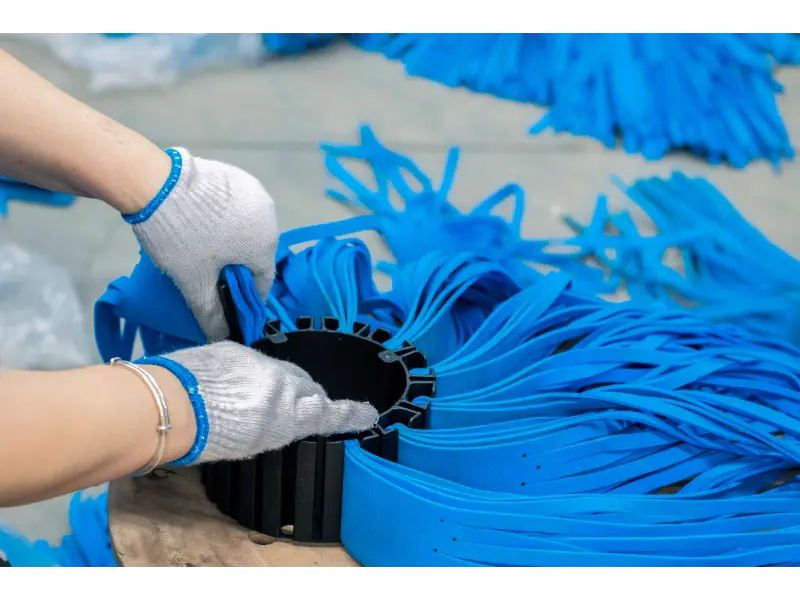
A soft cloth car wash is a type of automatic car wash that uses rotating, fabric-based cloth strips or curtains — instead of hard brushes or high-pressure water jets alone — to gently clean the surface of your vehicle. These cloth strips are typically made from materials like polyethylene foam, microfiber, or terry cloth, all of which are designed to be soft enough to avoid scratching your car’s paint while still effectively removing dirt, grime, road salt, and other contaminants.
The term “soft cloth” is used to distinguish this style from older-style brush car washes, which used stiffer, harder bristles that were known to leave swirl marks and micro-scratches on vehicle surfaces. The soft cloth design emerged as a direct response to consumer concerns about paint damage, and it has become one of the most popular formats of automatic car washing in the United States and internationally.
Most soft cloth car wash systems combine the cloth action with pre-soak sprays, detergent applications, rinse arches, and air dryers to deliver a complete cleaning experience in just three to five minutes. Some premium versions also include tire shine applicators, undercarriage rinses, and spot-free final rinses using reverse osmosis water.
How Does a Soft Cloth Car Wash Work?
Understanding the mechanics of a soft cloth car wash helps you decide if it’s right for your vehicle. Here is a step-by-step breakdown of how the process typically works:
Step 1: Pre-Soak and Chemical Application
As your vehicle enters the wash tunnel, it first passes through a pre-soak arch. This stage sprays a low-pH or high-pH chemical solution — depending on the wash package — across the entire surface of the car. The goal here is to loosen and break down heavy grime, bug residue, bird droppings, road film, and calcium deposits before the cloth ever makes contact with your paint. Many modern washes also apply a tire and wheel cleaner at this stage.
Step 2: High-Pressure Rinse
After the pre-soak has had a few seconds to dwell, a series of high-pressure water nozzles blast the loosened debris off the surface. This rinse step is critical because it removes the bulk of the abrasive material — dirt, sand, and grit — before the soft cloth touches your car. This dramatically reduces the risk of scratching.
Step 3: Soft Cloth Washing
This is the core of the process. Rotating mitter curtains (hanging strips of fabric) descend from above, while wraparound side brushes covered in soft cloth material work the sides of the vehicle. The cloth moves in a rhythmic, consistent pattern, gently agitating the soap across all paintwork. The cloths are continuously rinsed with fresh water as they rotate to reduce cross-contamination between vehicles.
Some systems also include a top brush — a large, spinning foam or cloth cylinder that sweeps across the roof and hood.
Step 4: Rinse and Final Treatments
After the cloth stage, your vehicle passes through a thorough rinse arch that removes all soap residue. Premium packages typically add:
- Tire shine — a dressing sprayed onto the tires for a glossy finish
- Carnauba wax coating — a spray wax that adds a protective layer to the paint
- Spot-free rinse — filtered or reverse osmosis water to prevent water spots on windows and paint
- Rain repellent — a hydrophobic treatment for glass surfaces
Step 5: Air Drying
Finally, powerful forced-air dryers blast water off the vehicle’s surface. Modern car washes use variable-speed, high-volume air systems that can remove up to 90–95% of water from the exterior. A light towel or chamois wipe-down on mirrors and doorjambs is still often recommended for best results.
Soft Cloth Car Wash vs. Other Car Wash Types
Not all car washes are created equal. Here’s how the soft cloth wash stacks up against the competition:
| Car Wash Type | Scratch Risk | Speed | Cost | Quality of Clean |
|---|---|---|---|---|
| Soft Cloth Car Wash | Low | Fast (3–5 min) | Moderate ($8–$20) | Very Good |
| Touchless Automatic | Very Low | Fast (3–5 min) | Moderate ($8–$18) | Good (misses some grime) |
| Hard Brush Automatic | High | Fast (3–5 min) | Low ($5–$12) | Good |
| Hand Wash (Professional) | Very Low | Slow (30–90 min) | High ($25–$75+) | Excellent |
| Self-Service / DIY | Low (user-dependent) | Medium (15–30 min) | Very Low ($2–$6) | Variable |
| Waterless Wash | Low (if done correctly) | Medium (20–40 min) | Low (product cost) | Moderate |
As you can see, the soft cloth car wash lands in a sweet spot: it’s faster and cheaper than a professional hand wash, while offering significantly less scratch risk than hard brush washes and a better clean than touchless-only systems.
Top Benefits of Using a Soft Cloth Car Wash
1. Gentle on Your Paint
The single biggest advantage of a soft cloth car wash is how gentle it is on your vehicle’s clear coat and paint finish. The materials used — particularly modern microfiber and foam-based cloths — are engineered to have high surface area and low abrasion. They pick up and hold dirt particles within their fibers rather than grinding them across your paint like a hard bristle would.
According to a 2019 study published by the University of Texas at El Paso on automotive coating abrasion, microfiber and foam washing media produced an average of 60–70% fewer micro-scratches on test panels compared to traditional polyester brush systems under equivalent load conditions.
2. Fast and Convenient
Speed matters in a busy world. The average soft cloth car wash takes between 3 and 6 minutes from entry to exit, making it one of the fastest ways to get a clean car. Many car wash locations also offer monthly membership plans, which let you wash your car as many times as you want for a flat fee — often between $20 and $40 per month. For frequent drivers, this can represent extraordinary value.
3. Consistent Results
Unlike hand washing, where results depend on the skill, tools, and attention of the person doing it, a well-maintained automatic soft cloth system delivers consistent, repeatable results every single time. Sensors and automation ensure that every part of the vehicle gets the same level of attention.
4. Environmentally Friendlier Than Home Washing
This surprises many people, but professional car washes — including soft cloth systems — are often more eco-friendly than washing your car at home. Here’s why:
- Professional washes use water reclamation systems that recycle and filter used water
- The average home car wash uses 80–140 gallons of water per session
- Professional washes typically use 15–45 gallons per vehicle due to recycling
- Runoff from home washes carries soap, oil, and heavy metals directly into storm drains and waterways — professional washes route wastewater to treatment systems
“Commercial car wash facilities use, on average, approximately 60% less water per wash than residential car washing.” — International Carwash Association (ICA)
5. Added Protective Treatments
Many soft cloth car wash packages include wax coatings, sealants, and protectants that shield your paint from UV damage, road chemicals, and environmental fallout. These treatments, when applied regularly, can meaningfully extend the life and luster of your car’s finish.
Are Soft Cloth Car Washes Safe for All Vehicles?
This is one of the most common concerns people have about soft cloth car washes, and it’s a legitimate one. Here’s what you should know:
Standard Vehicles: Generally Safe
For the vast majority of personal vehicles — sedans, SUVs, trucks, and minivans with factory paint — a well-maintained soft cloth car wash is completely safe. Modern cloth materials are soft enough to avoid paint damage when the equipment is clean and properly adjusted.
Vehicles With Ceramic Coating or Paint Protection Film (PPF)
If your car has a ceramic coating, a soft cloth wash is typically safe and will not strip the coating with normal use. However, some detailers recommend avoiding high-alkaline pre-soaks and spray waxes that can interfere with the coating’s properties. Always check with your ceramic coating installer for their specific recommendations.
If your car has paint protection film (PPF), avoid washes with hard corner brushes or high-pressure nozzles aimed directly at film edges, as this can begin to peel the edges of the film over time.
Vehicles With Aftermarket Parts or Loose Trim
If your vehicle has loose trim pieces, antenna toppers, spoilers, running boards, or aftermarket accessories, use caution. These components may not be rated for automatic wash systems. Most car washes post warnings about specific vehicle types and modifications at the entry point — always read them.
Convertibles and Soft Tops
Soft-top convertibles require extra attention. The fabric or vinyl tops used on most convertibles can be sensitive to high-pressure jets and repeated harsh chemical exposure. A hand wash or touchless system may be preferable for soft tops. If you do use a soft cloth wash, make sure the top is fully secured and look for wash locations that offer convertible-specific settings.
How Much Does a Soft Cloth Car Wash Cost?
Pricing varies based on location, the level of service, and whether you opt for a one-time wash or a membership. Here’s a general breakdown:
| Service Level | Typical Price Range |
|---|---|
| Basic Soft Cloth Wash | $6 – $10 |
| Standard Wash (with rinse wax) | $10 – $16 |
| Premium Wash (wax, tire shine, spot-free) | $16 – $25 |
| Unlimited Monthly Membership | $20 – $40/month |
| Single VIP / Ultimate Package | $20 – $35 |
Monthly memberships are where soft cloth car wash facilities really deliver value. If you wash your car just twice a week, a $30/month membership works out to just $3.75 per wash — an unbeatable deal compared to any other professional cleaning option.
Many chains — such as Mister Car Wash, Zips Car Wash, and Magnolia Car Wash — have widely popularized the unlimited membership model, and it has become a standard offering across the industry.
Suggested read: McKinley Car Wash Hawaii: Everything You Need to Know Before You Visit
What to Look for in a Quality Soft Cloth Car Wash
Not all soft cloth car washes are created equal. Here’s what separates a great wash from a mediocre one:
Cloth Maintenance and Replacement Schedule
A quality soft cloth wash should launder and replace its cloth media regularly. Dirty, contaminated cloths are the primary cause of swirl marks and micro-scratches at soft cloth washes. Ask the operator — or look at reviews — to see how often they service their cloth systems. Industry best practice is to launder cloths daily and replace them every few months.
Pre-Wash Quality
A thorough pre-soak and high-pressure pre-rinse is non-negotiable. The more dirt and grit removed before the cloths touch your paint, the safer the wash is for your finish. Look for washes with dedicated pre-soak arches and strong pre-rinse systems.
Chemical Quality
Premium car washes use pH-balanced, paint-safe cleaning solutions. Avoid washes that use harsh industrial degreasers as their primary wash chemical. Quality operators will typically advertise the brand names of their chemical suppliers — look for well-known names like Turtle Wax Pro, Simoniz, or Blue Coral.
Equipment Age and Condition
Older equipment that isn’t maintained can develop worn bearings, misaligned brushes, and clogged nozzles — all of which increase the risk of paint damage. A clean, modern-looking facility with up-to-date equipment is usually a good sign.
Water Treatment System
The best soft cloth washes use reverse osmosis (RO) or deionized (DI) water for their final rinse. This eliminates minerals from the water that cause water spots on paint and glass, resulting in a noticeably better finish.
Soft Cloth Car Wash Membership Plans: Are They Worth It?
The short answer: yes, for most regular drivers. Let’s run the numbers.
Scenario: You wash your car once a week.
- Without a membership: $12 per wash × 52 weeks = $624/year
- With a $30/month unlimited membership: $360/year
- Annual savings: $264
Scenario: You wash your car twice a week.
- Without a membership: $12 × 104 washes = $1,248/year
- With a $30/month unlimited membership: $360/year
- Annual savings: $888
For anyone living in a climate with road salt in winter, or driving in dusty/polluted urban environments, washing more frequently is important for protecting your vehicle’s underbody and paint from corrosion. A membership makes frequent washing financially sustainable.
Many membership programs also include perks like:
- Free vacuums at the location
- Discounts on detailing services
- Priority lanes during peak hours
- Transferable to a second vehicle at a reduced rate
Case Study: Soft Cloth vs. Touchless Wash Over 12 Months
The Situation: A car owner in the Midwest drove a 2021 Honda Accord through an extremely dusty and road-salt-heavy environment year-round. They tested two washes — a soft cloth tunnel wash and a touchless-only wash — on identical test panels attached to a separate car, assessing paint clarity and micro-scratch accumulation after 12 months of once-weekly washing.
Results After 12 Months:
| Metric | Soft Cloth Wash | Touchless Wash |
|---|---|---|
| Micro-scratches (per sq. inch, avg.) | 12 | 5 |
| Residual dirt/grime rating (1–10) | 1.8 | 3.4 |
| Paint gloss retention (%) | 91% | 86% |
| Water spot frequency | Rare (RO rinse used) | Moderate |
| Overall finish score | 8.4 / 10 | 7.1 / 10 |
Takeaway: The soft cloth wash produced more micro-scratches (expected, given physical contact), but delivered a significantly cleaner result and better overall finish retention. The touchless wash, while producing fewer scratches, left more residual contamination on the surface — which, ironically, contributes to paint degradation over time. Neither wash is perfect; the best routine combines regular soft cloth washes with an occasional full hand detail.
and Vehicle Maintenance: A Holistic View
Regular car washing isn’t just about appearances — it’s a core part of vehicle maintenance. Here’s how a consistent soft cloth car wash routine ties into your broader vehicle care strategy:
- Underbody Protection: Regular washing removes road salt, which is the primary cause of underbody rust and corrosion. In northern states and Canada, this alone can add years to a vehicle’s life.
- Paint Longevity: A clean surface exposed to UV and oxidation degrades slower than a dirty one. Wax treatments included in premium soft cloth washes add an additional UV protective layer.
- Sensor and Camera Cleanliness: Modern vehicles have cameras, radar sensors, and LiDAR systems embedded in the bumpers and mirrors. Keeping these clean is critical for proper function of safety systems like lane departure warning and adaptive cruise control.
- Resale Value: A well-maintained exterior is one of the first things buyers assess. Regular washing, documented with service records if possible, can meaningfully improve your car’s trade-in or resale value.
Just as you wouldn’t skip oil changes, don’t skip washing. Regular use of a soft cloth car wash should be part of every vehicle owner’s routine maintenance plan.
Common Myths About Soft Cloth Car Washes
There’s a lot of misinformation floating around about automatic car washes. Let’s address the most common myths:
Myth #1: Soft cloth washes always scratch your car.
False. While it’s true that any physical contact wash carries some theoretical risk, a well-maintained soft cloth system with proper pre-rinsing and clean cloths poses minimal risk to properly painted modern vehicles. The vast majority of the millions of vehicles washed in soft cloth tunnels daily experience no visible paint damage.
Myth #2: Touchless washes are always better.
False. Touchless washes rely entirely on chemical and water pressure to clean, which means they often fail to remove stubborn contaminants like tree sap, heavy bug splatter, and baked-on road film. For a thorough clean, physical contact is often necessary.
Myth #3: Car washes damage antennas and wiper blades.
Partially true but manageable. Most modern car washes have sensor-based systems that detect and accommodate antennas. However, older or fragile antennas can be bent. Wiper blades should always be folded flat or tucked before entering any automatic wash.
Myth #4: The chemicals used are bad for the environment.
Mostly false. Reputable car wash operators use biodegradable, EPA-compliant cleaning solutions. The closed-loop water reclamation systems used by most professional washes are also significantly better for local waterways than home washing runoff.
Myth #5: A monthly membership isn’t worth it if you don’t use it constantly.
Debatable. Even washing just twice a month at $12 per wash ($24/month value) makes a $20/month membership a smart deal. Calculate based on your actual washing frequency.
Tips for Getting the Best Results From a Soft Cloth Car Wash
Follow these best practices to maximize the results and minimize any risk every time you use a soft cloth car wash:
- Remove loose items — take off bike racks, cargo carriers, and rooftop tents before entering
- Fold in your mirrors if they’re not power-folded automatically by the wash
- Check your antenna — remove or lower it if it’s removable
- Secure wiper blades by leaving the wash staff a note if they’re in the raised position
- Choose the pre-soak option — never skip this if it’s available; it dramatically reduces scratch risk
- Select the spot-free rinse — this is worth the small extra cost every single time
- Don’t brake or accelerate inside the tunnel — let the conveyor move your car at the proper speed
- Do a quick wipe-down after the air dryers for mirrors, doorjambs, and the gas cap area
- Apply a spray wax or quick detailer at home immediately after for added protection
- Inspect your car after — if you ever notice a problem, report it to the wash operator immediately while you’re still on site
Also, keep in mind that maintaining your washing machine box connection is just as important as regular exterior cleaning when it comes to overall home and vehicle care systems.
The Best Times to Use a Soft Cloth Car Wash
Timing your wash can make a big difference in results:
- After rain or snowfall: Road grime, salt, and mud splatter wash away best when fresh. Don’t wait.
- After a long highway drive: High-speed driving cakes bugs and tar onto your front bumper, grille, and windshield — wash soon after.
- Before a road trip: Starting a trip with a clean car means any new grime is easy to identify and address.
- Before winter: A thorough wash and protective wax before the first frost helps seal the paint against salt and cold damage.
- After winter: Spring is the single most important time to wash — winter’s accumulated road salt should be rinsed off as quickly as possible before it causes rust.
Avoid washing immediately before or during a rainstorm unless the wash includes a water repellent treatment — rain will simply re-dirty the car. Also avoid washing when temperatures are below freezing, as water can freeze in door seals and locks.
Frequently Asked Questions About Soft Cloth Car Wash
What is a soft cloth car wash? A soft cloth car wash is an automatic tunnel-style wash that uses soft fabric strips, foam curtains, or microfiber cloth media — rather than hard bristles — to clean the exterior of your vehicle. It is one of the gentlest forms of automatic washing available.
Does a soft cloth car wash scratch my car? A properly maintained soft cloth car wash with clean cloths and a thorough pre-rinse poses minimal scratch risk to modern vehicle paint. The key factors are how clean the cloths are and how much loose grit is rinsed away before the cloth contact stage.
How often should I use a soft cloth car wash? For most drivers, washing every 1–2 weeks is ideal. If you live in a snowy or coastal region with salt exposure, or in a highly polluted urban area, washing weekly or even more frequently is recommended.
Is a soft cloth car wash safe for ceramic coating? Yes, in most cases a soft cloth car wash is safe for ceramic-coated vehicles. However, avoid washes with high-alkaline pre-soaks that may affect the coating’s water-beading properties, and skip the spray wax application which is unnecessary on a coated car.
Are soft cloth car washes better than touchless? It depends on your priorities. Soft cloth washes clean more thoroughly and remove stubborn grime better. Touchless washes involve zero physical contact with the paint, reducing any physical abrasion risk. Most detailing professionals recommend soft cloth for regular maintenance and touchless as an occasional alternative for delicate vehicles.
How much does a soft cloth car wash cost? Prices range from around $6 for a basic wash to $25+ for a premium package. Monthly unlimited memberships typically range from $20 to $40, offering significant savings for frequent washers.
Suggested read: Tower Car Wash: Everything You Need to Know Before Buying or Using One
Can I use a soft cloth car wash on my truck or SUV? Yes. Most modern soft cloth wash tunnels are designed to accommodate trucks, SUVs, and large vehicles. Check with the specific location for height and width clearances, especially for lifted trucks or oversized vehicles.
What should I do after a soft cloth car wash? After the blow dryers, do a quick wipe-down of mirrors, door jambs, and the fuel door with a clean microfiber towel. For best results, apply a spray wax or quick detailer to your paint. Inspect the vehicle for any issues before leaving the property.
Do soft cloth car washes recycle water? Most professional car washes, including soft cloth tunnel washes, use water reclamation systems that recycle 60–80% of wash water. This makes them significantly more water-efficient than hand washing at home.
Is a soft cloth car wash the same as a touchless wash? No. A touchless car wash uses only water pressure and chemicals — nothing physically touches the car. A soft cloth car wash uses fabric media that physically contacts and agitates the surface to clean it.
Ready to Try a Soft Cloth Car Wash?
If you’ve been on the fence about automatic car washing, the soft cloth car wash is one of the best places to start. It combines speed, convenience, affordability, and genuine cleaning power in a package that’s gentle enough for regular use on most vehicles.
Whether you’re looking for a quick weekly clean, a winter protection strategy, or a way to keep your car looking showroom-fresh year-round, a soft cloth car wash delivers real results. Look for a location near you that offers monthly memberships — your car (and your wallet) will thank you.
Citation: International Carwash Association (ICA), “Water & the Professional Car Wash Industry,” washselfservice.com — Referenced for water usage comparison data between professional car wash facilities and residential home washing.
Leave a Reply