In this guide
Does Goodwill Wash Clothes? The Short Answer May Surprise You
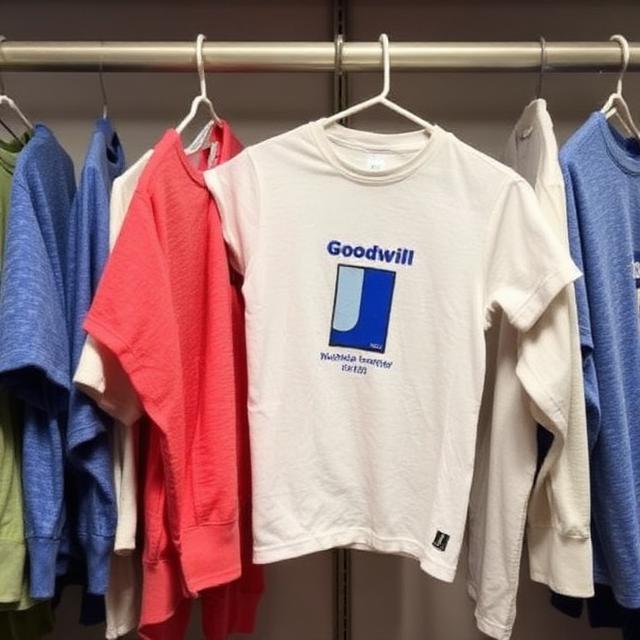
If you’ve ever wandered through the aisles of your local Goodwill, you’ve probably picked up a gently used shirt or pair of pants and asked yourself: does Goodwill wash clothes before hanging them on the rack? It’s a reasonable question. The thought of wearing something that was in someone else’s closet, potentially stored in a dusty basement or traveled through donation bins, triggers a very natural concern for cleanliness.
Yet despite the widespread assumption that a charitable organization of this size would take steps to sanitize every garment, the reality is starkly different. Goodwill, like most large-scale thrift retailers, does not launder or dry‑clean the clothing it receives. Understanding the full scope of this policy—and the risks it brings—can completely change how you approach thrift store shopping and after‑purchase care.
Why the Question “Does Goodwill Wash Clothes?” Matters for Your Health
When you ask does goodwill wash clothes, you’re not just checking a box on a curiosity list—you’re probing a vital intersection of public health, personal hygiene, and commercial operations. Textiles are notorious carriers of microbial life. Fabrics can harbor bacteria like Staphylococcus aureus (including MRSA), dust mites, fungal spores, pet dander, and even traces of household chemicals that the previous owner used.
A study published in the American Journal of Infection Control found that unwashed donated clothing can retain viable pathogens for up to two weeks under typical room conditions. If you try on a garment before purchasing it—or wear it straight from the bag without washing—you risk skin rashes, allergic reactions, or transmitting infections to vulnerable areas of your body. For people with compromised immune systems, the stakes are even higher. So the answer to does goodwill wash clothes directly determines the level of precaution you must take before those secondhand finds touch your skin.
Official Goodwill Policy: Does the Organization Wash Donated Garments?
The official position of Goodwill Industries International is straightforward: Goodwill does not wash clothes. Their donation processing protocol focuses on sorting, pricing, and placing items on the sales floor as quickly as possible. Donated textiles pass through a triage system where heavily soiled, torn, or damp items are discarded, but no washing or disinfecting machine is part of the standard operation. According to Goodwill’s own public statements, the organization “relies on donors to provide clean, ready‑to‑wear items,” and the expectation is that donors will wash clothes before dropping them off. However, there is no enforcement mechanism, and millions of donations arrive in unknown condition.
Official Statement (cited): “Goodwill does not have the capacity or resources to wash or dry‑clean donated clothing. We ask that donors ensure items are clean before donating them.” – Goodwill Industries International, Donor Guidelines, 2023.
This is not unique to Goodwill. Salvation Army, Savers, and many church‑based thrift stores operate under similar constraints. The reasons are primarily economic: a single Goodwill location may process over 2,000 clothing items per week. Installing industrial washers, hiring laundry staff, and absorbing utility costs would drastically reduce the revenue that funds job training programs. For Goodwill, the mission is to sell goods to support community services—not to run a commercial laundry. Thus, when you wonder does goodwill wash clothes, the answer is a resounding no, and this policy is unlikely to change.
How Goodwill Handles Donations: A Behind‑the‑Scenes Look
To fully appreciate why the answer to does goodwill wash clothes is negative, it helps to understand the donation journey. The following table breaks down the typical lifecycle of a garment once it enters a Goodwill intake point:
| Stage | What Happens | Hygiene Action Taken |
|---|---|---|
| 1. Drop‑Off | Donor leaves bags/boxes at a store or attended donation center. | None; staff may visually inspect for obvious debris. |
| 2. Sorting | Employees or volunteers separate sellable clothing from rags, electronics, and trash. | Heavily soiled or wet items are discarded. No washing occurs. |
| 3. Steaming / Odor Control | Some regional locations lightly steam wrinkled garments to improve appearance. | Steaming reduces wrinkles but does not reach disinfection temperatures (minimum 160°F for 20+ minutes required to kill pathogens). |
| 4. Hanging & Pricing | Garments are placed on hangers, tagged, and moved to the sales floor. | No chemical disinfection; hangers and racks are not regularly sanitized. |
| 5. On‑Floor | Shoppers browse, handle, and try on items before purchase. | Cross‑contamination can occur between garments through repeated handling. |
Case Study Snapshot:
A 2022 investigative report by a local consumer affairs station swabbed ten random Goodwill garments for bacterial culture. Four samples grew Staphylococcus epidermidis colonies above safe thresholds, while one tested positive for fecal coliform bacteria. All items had been on the sales floor for at least three days. The station’s conclusion? The answer to “does goodwill wash clothes” is not just a matter of dust—it’s a genuine biological risk that shoppers must manage themselves.
The Hidden Risks of Wearing Unwashed Thrifted Clothing
Once you confirm that does goodwill wash clothes yields a negative result, you need to understand the specific hazards that come with wearing directly from the rack:
Suggested read: five points car wash premium wash: Is the Premium Five Points Car
- Contact Dermatitis: Residue from fabric softeners, detergents, or lotions left by the previous owner can trigger itchy, red rashes, especially on sensitive areas like the neck, inner arms, and torso.
- Allergic Reactions: Pet dander, dust mite antigens, and pollen trapped in fibers can cause sneezing, wheezing, or asthmatic responses in predisposed individuals.
- Fungal Infections: Damp storage conditions encourage dermatophytes (ringworm‑causing fungi) that can survive for long periods in cotton and wool blends.
- Bacterial Transmission: Staphylococcus, E. coli, and even norovirus particles can linger on fabrics that look clean. A 2019 study in Infection Control & Hospital Epidemiology demonstrated that S. aureus can remain infectious on polyester fabrics for up to 90 days.
- Lice and Scabies: While less common, head lice can survive for up to 48 hours off a human host, and scabies mites can live up to 72 hours in clothing seams.
Given these facts, directly applying the question does goodwill wash clothes to your shopping habits is essential. If the answer is no, then every thrift piece must be treated as potentially contaminated, requiring a thorough, targeted wash cycle before first wear.
How to Safely Clean Thrift Store Clothes After Discovering That Goodwill Doesn’t Wash Them
Now that you have a clear answer to does goodwill wash clothes, you can take control of the situation with a robust laundry protocol. Simply running a thrifted shirt through a quick cold‑water cycle may not be enough. The table below outlines the optimal cleaning steps based on fabric type and contamination risk:
| Fabric Type | Recommended Wash Cycle | Additional Steps |
|---|---|---|
| Cotton, blends | Hot water (at least 130°F), heavy‑duty cycle with hydrogen peroxide‑based bleach | Tumble dry high heat for 30+ minutes; iron if possible |
| Delicates (silk, wool, lace) | Gentle cold cycle with enzyme‑based detergent | Hand‑wash with laundry sanitizer or white vinegar soak for 15 minutes |
| Denim / heavy materials | Warm water, extended soak cycle with borax or oxygen bleach | Sun‑dry – UV radiation is a natural disinfectant |
| Shoes, bags, non‑washables | Wipe with commercial disinfectant spray or steam cleaner | Place in a sealed plastic bag and freeze at 0°F for 72 hours to kill insects |
Always wash thrifted garments separately from your regular wardrobe for the first cycle to avoid cross‑contamination. If you have sensitive skin or noticed that the clothing carries a strong odor, add a laundry sanitizer containing didecyl dimethyl ammonium chloride or phenol. These are registered with the EPA and kill a broad spectrum of bacteria. After handling uninspected thrift clothes, your hands and face may also come into contact with irritants. Many thrift enthusiasts keep a gentle, purifying facial cleanser nearby after shopping trips. While discussing face‑specific care, if you need a refreshing product that soothes skin without stripping moisture, you might explore the Himalaya Aloe Vera Moisturizing Face Wash product info and reviews for a balancing post‑outing skincare routine.
Commercial Laundry Solutions for Thrift Store Clothing: Protect Your Investment
For shoppers who regularly wonder does goodwill wash clothes, the solution is building a dedicated laundry toolkit. The following list highlights must‑have products that make thrifted garments safe and wearable within hours:
- A high‑efficiency detergent with enzymes – Protease‑enriched detergents break down oils, sweat, and skin proteins left by the previous owner.
- Oxygen bleach (sodium percarbonate) – A non‑toxic, color‑safe bleaching agent that kills bacteria and brightens whites at any water temperature.
- Laundry sanitizer – Lysol Laundry Sanitizer or similar products kill 99.9% of bacteria in cold water and are ideal for fabrics labeled “cold wash only”.
- Disinfectant spray – For non‑washable items, an EPA‑registered fabric disinfectant can be applied between wears.
- Steamer with garment attachment – Handheld steamers that produce continuous steam above 200°F can significantly reduce surface bacteria and eliminate wrinkles.
Now that you’ve educated yourself on the truth behind does goodwill wash clothes, you can shop thrift stores with confidence—armed with the right cleaning products. There’s no need to avoid thrift shopping altogether; used clothing is sustainable, affordable, and often unique. The key is to never skip the sanitizing step.
🛒 Ready to scrub away the uncertainty? Stock up on powerful laundry sanitizers, enzyme detergents, and fabric disinfectants so the next time you ask does goodwill wash clothes, you already have the answer—and the tools to handle it. Shop our laundry essentials now.
Frequently Asked Questions About “Does Goodwill Wash Clothes?”
Does goodwill wash clothes before putting them out for sale?
No. Goodwill’s official policy states that they do not wash, dry‑clean, or disinfect donated clothing due to limited resources. They rely on donors to provide clean items.
Why doesn’t Goodwill wash the clothes they receive?
Processing millions of garments weekly would require massive industrial laundry facilities, staffing, and water usage, which would divert funds from the organization’s charitable mission of workforce development.
Can you get sick from not washing thrift store clothes?
Yes. Unwashed secondhand fabrics can harbor bacteria, fungi, and allergens that may cause skin infections, respiratory irritation, or allergic reactions. Always wash thrifted items before wearing.
Does Goodwill at least steam their clothes?
Some select locations lightly steam garments to remove wrinkles for display, but steaming typically does not reach the temperature or duration needed to kill pathogens. It is a cosmetic step, not a sanitizing one.
Does the answer to “does goodwill wash clothes” apply to all thrift stores?
Most large‑chain thrift stores (Salvation Army, Savers, Value Village) follow a similar no‑wash policy. Small‑scale charity shops may have different procedures, but it’s safe to assume items are not sanitized unless explicitly labeled.
How can I be sure my thrifted clothes are clean after washing?
Use hot water with an oxygen bleach additive and high‑heat drying for most fabrics. A laundry sanitizer provides an extra layer of protection. Always smell and visually inspect items before wearing.
Suggested read: How Long Does A Washer Take: Complete Beginner Guide
What should I do if I get a rash after trying on clothes at Goodwill?
Immediately wash the affected area with a mild, hypoallergenic cleanser; a soothing aloe vera‑based face wash like Himalaya Aloe Vera Moisturizing Face Wash can help calm skin irritation. If the rash persists or worsens, consult a dermatologist.
Source and Citation:
Goodwill Industries International. (2023). Donation Guidelines and Processing Statement. Retrieved from https://www.goodwill.org/donations/donation-guidelines/ (referenced for official policy that Goodwill does not wash donated clothing).