Owning a camper means freedom on the open road, but it also means dealing with dirt, grime, and road debris that can quickly turn your home-on-wheels into an eyesore. A proper camper wash routine isn’t just about aesthetics—it’s about protecting your investment and maintaining your RV’s resale value. Whether you’re a weekend warrior or a full-time RVer, understanding the ins and outs of washing your camper can save you thousands in maintenance costs while keeping your rig looking showroom fresh.
Why Regular Camper Wash Maintenance Matters More Than You Think
Your camper faces brutal conditions that regular vehicles never encounter. Extended highway driving exposes your RV to bug splatter, tar, tree sap, and industrial fallout. Add in the effects of UV radiation, acid rain, and environmental pollutants, and you’ve got a recipe for serious damage. According to industry experts, RVs that receive regular washing maintain up to 30% more of their resale value compared to neglected units.
The oxidation process begins the moment your camper leaves the factory. Without proper cleaning and protection, your RV’s gel coat or paint finish will deteriorate, leading to chalking, fading, and eventually structural damage. Camper wash procedures remove contaminants before they bond permanently to your surfaces, extending the life of your exterior finish by years.
Professional detailers report that most RV owners wait far too long between washes. The recommended frequency is every 2-4 weeks during active use, with monthly washes during storage periods. This might seem excessive, but consider that your camper has exponentially more surface area than a car and catches more debris due to its height and box-like shape.
Suggested read: Reducing Washer: Everything You Need to Know About This Essential Plumbing Component
Essential Camper Wash Supplies You Actually Need
Building the right camper wash kit starts with understanding what works and what damages RV surfaces. Forget everything you know about washing cars—RVs require specialized products designed for their unique materials. Your shopping list should include pH-neutral RV-specific soap, soft-bristled brushes with extended handles, microfiber wash mitts, squeegees for large flat surfaces, and dedicated wheel cleaners.
Must-Have Supplies:
- pH-neutral RV wash soap (avoid automotive soaps with harsh detergents)
- Telescoping wash brush (8-12 foot extension for roof access)
- Microfiber wash mitts (at least 3-4 for different sections)
- Soft-bristled wheel brushes (dedicated for tires only)
- Water pressure regulator (protect your RV’s plumbing during washing)
- Extension wand for pressure washer (if using powered equipment)
- Chamois or microfiber drying towels (prevent water spots)
- Rubber roof cleaner (if applicable to your RV type)
Investment in quality supplies pays dividends. A premium RV wash soap costs $25-40 per gallon but dilutes to wash your camper 8-12 times. Cheap alternatives can strip protective coatings, damage decals, and leave residue that attracts more dirt. The same principle applies to brushes—stiff bristles scratch gel coat, while quality soft brushes clean effectively without marring surfaces.
Suggested read: Pan Washer: Everything You Need to Know About This Essential Plumbing Component
The Step-by-Step Camper Wash Process That Professionals Use
Starting your camper wash correctly makes the difference between a mediocre clean and a professional-grade result. Begin by choosing the right location—you need access to water, proper drainage, and ideally some shade to prevent soap from drying too quickly. Early morning or late afternoon washing prevents the sun from baking soap onto surfaces.
Pre-Wash Preparation:
- Close all windows, vents, and compartments completely
- Retract awnings and antennas to prevent damage
- Remove loose items from exterior storage areas
- Check for any damaged seals that might leak during washing
- Position your RV to allow easy access to all sides
The actual washing process follows a top-to-bottom approach. Rinse your entire camper with plain water first, using moderate pressure to remove loose dirt and debris. This prevents scratching during the wash phase. Mix your RV soap according to manufacturer directions—more soap doesn’t mean cleaner results, just more rinsing required later.
Work in sections, starting with the roof if accessible. Apply soapy water with your wash mitt or brush, using gentle circular motions. Never let soap dry on the surface—work quickly in 4×4 foot sections, rinsing thoroughly before moving on. Pay special attention to areas where dirt accumulates: wheel wells, lower panels, around vents and fixtures, and beneath slide-outs.
The two-bucket method prevents recontaminating your wash mitt with dirt. Use one bucket for soapy water and another for rinsing your mitt between sections. This simple technique dramatically reduces the risk of scratching your camper’s finish with trapped grit and debris particles.
Suggested read: ONR Wash: The Waterless Car Cleaning Revolution That's Changing Vehicle Care Forever
Pressure Washer vs. Hand Washing Your Camper: Making the Smart Choice
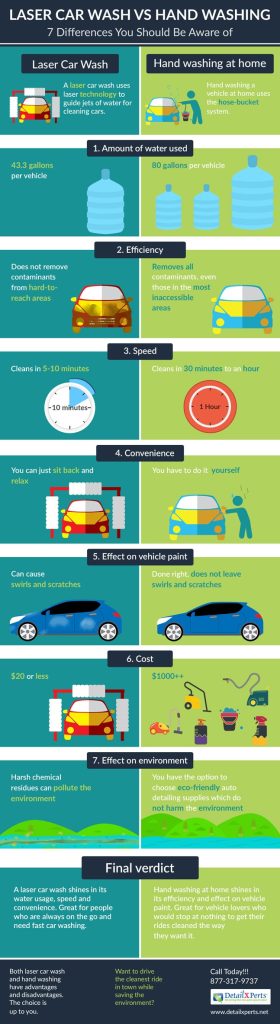
The debate between pressure washing and hand washing your camper isn’t black and white. Each method has distinct advantages and appropriate applications. Pressure washers excel at initial rinsing and removing stubborn buildup, but improper use can force water behind seals, damage decals, and even crack plastic components. Hand washing provides more control but requires significantly more time and physical effort.
If you choose pressure washing for your camper wash routine, follow strict guidelines. Keep pressure below 1,500 PSI for fiberglass and aluminum surfaces. Maintain a distance of at least 2 feet from the surface, increasing distance around seals, windows, and vents. Use a 25-40 degree spray pattern rather than concentrated streams. Never pressure wash directly at decals, graphics, or weatherstripping.
Pressure Washer Safety Rules:
- Maximum 1,500 PSI for RV surfaces
- Minimum 24 inches from surface at all times
- Avoid direct spray on seams, seals, and windows
- Use 25-40 degree nozzle for gentle, wide coverage
- Test on inconspicuous area before full washing
Hand washing remains the safest option for most RV owners. The tactile feedback helps you detect issues like loose trim, damaged seals, or developing soft spots in sidewalls. You’ll also notice small problems—a loose screw, a developing crack, a worn seal—that you’d miss with a pressure washer. This inspection-while-cleaning approach catches minor issues before they become expensive repairs.
Professional detailers often combine both methods: pressure rinse, hand wash with soap, pressure rinse again. This hybrid approach delivers thorough cleaning while minimizing risks. For sensitive areas like the front cap, around lights, and near slide-out seals, always default to hand washing regardless of your primary method.
Suggested read: Commercial Glass Washers: Why Your Business Needs Professional Glassware Cleaning Equipment
Tackling Rubber Roofs: The Specialized Camper Wash Approach
Rubber roofs require completely different care than the rest of your camper. Using wrong products on rubber roofing materials can cause permanent damage, voiding warranties and shortening roof life. EPDM and TPO rubber roofs dominate the RV market, and each demands specific cleaning protocols. Your standard camper wash soap won’t cut it here—you need dedicated rubber roof cleaners.
EPDM roofs (the most common type) can tolerate mild detergents specifically formulated for rubber. Never use petroleum-based products, harsh solvents, or citrus cleaners on EPDM—these break down the material’s molecular structure. TPO roofs are slightly more resilient but still require pH-neutral cleaners. When in doubt, check your RV’s manual or contact the manufacturer for approved cleaning products.
The rubber roof washing process starts with removing all debris: leaves, branches, dirt accumulation. Use a soft push broom or rubber roof brush—never anything abrasive. Apply your rubber roof cleaner according to directions, typically letting it dwell for 3-5 minutes before scrubbing. Work in manageable sections, keeping the surface wet to prevent cleaner from drying.
Pay extra attention to seams, vents, and roof fixtures where dirt and organic material accumulate. These areas trap moisture and can develop mold or mildew if not properly cleaned. After thoroughly rinsing, inspect all seals and caulking for cracks or separation. Catching seal failures during your camper wash prevents devastating water damage that can cost thousands to repair.
Suggested read: Embassy Wash: The Ultimate Solution for Professional Glass Cleaning and Detailing
Removing Stubborn Stains: Bug Splatter, Black Streaks, and Oxidation
Standard washing won’t touch the toughest camper contaminants. Bug splatter contains acidic compounds that etch into surfaces if left untreated. Black streaks—those ugly vertical lines on white RVs—result from oxidized rubber roof material washing down the sides. Oxidation itself creates that chalky, faded appearance that makes even well-maintained campers look ancient.
For bug removal during your camper wash, pre-treat affected areas with a dedicated bug remover. Apply the product, let it dwell for 2-3 minutes to break down the proteins, then gently scrub with a microfiber mitt. Never let bug residue bake in the sun for days—the longer it sits, the harder it becomes to remove and the more it damages your finish.
Stain-Specific Solutions:
- Bug splatter: Enzyme-based bug removers applied before washing
- Black streaks: Specialized RV black streak removers with light abrasives
- Oxidation: Medium-cut polish followed by protective wax or sealant
- Tree sap: Isopropyl alcohol on a microfiber cloth (test first)
- Tar and asphalt: Commercial tar removers (petroleum-free for rubber)
- Water spots: White vinegar solution (50/50 with water)
Black streak removal requires patience and the right product. Apply black streak remover to affected areas, working in small sections. These products contain mild abrasives that lift oxidized rubber without damaging your RV’s finish. Wipe in a downward motion following the streaks, then immediately rinse. Some stubborn streaks require multiple applications—don’t scrub harder, just repeat the process.
Oxidation restoration goes beyond typical camper wash procedures. Heavily oxidized surfaces need compounding or polishing before they’ll shine again. Use a dual-action polisher with RV-specific polish, working in 2×2 foot sections. Follow with a quality wax or synthetic sealant to protect the restored finish. This level of restoration might be a once-per-year project rather than part of regular washing.
Suggested read: Dr Wash: Transform Your Vehicle Care with Professional Auto Detailing Services
Protecting Your Investment: Post-Wash Treatments and Sealants
Washing alone doesn’t protect your camper—it just removes dirt. The real preservation happens with what you apply after your camper wash. Modern RV protection products range from traditional carnauba waxes to advanced ceramic coatings, each offering different benefits, longevity, and price points. Choosing the right protection depends on your budget, how often you use your RV, and storage conditions.
Traditional carnauba wax provides excellent gloss and decent protection for 1-3 months. Application is labor-intensive but straightforward: apply thin layers, let haze, buff off. Synthetic polymer sealants last longer—typically 4-6 months—and are easier to apply. They may not deliver carnauba’s warm glow, but they resist environmental contaminants better and stand up to frequent washing.
Ceramic coatings represent the premium option for camper wash protection. Professional-grade ceramic applications can last 2-5 years, creating a hydrophobic surface that repels water, dirt, and contaminants. The downside? Professional installation costs $500-2,000 depending on RV size. DIY ceramic products offer similar benefits at lower costs but require meticulous application and proper surface preparation.
Protection Product Comparison:
| Product Type | Durability | Cost | Application Difficulty | UV Protection |
|---|---|---|---|---|
| Carnauba Wax | 1-3 months | $ | Easy | Good |
| Synthetic Sealant | 4-6 months | $$ | Easy | Excellent |
| Spray Wax | 2-4 weeks | $ | Very Easy | Fair |
| Ceramic Coating (DIY) | 1-2 years | $$$ | Difficult | Excellent |
| Ceramic Coating (Pro) | 2-5 years | $$$$ | N/A | Excellent |
Don’t forget about your RV’s rubber seals and trim. UV damage causes these components to crack, fade, and fail long before metal or fiberglass deteriorates. After each camper wash, treat rubber seals, window trim, and slide-out seals with a quality rubber protectant. These products contain UV inhibitors and conditioners that keep rubber flexible and functional for years.
Suggested read: Best Boat Wash Solutions: How to Keep Your Vessel Spotless in 2025
The Cost Analysis: DIY Camper Wash vs. Professional Services
Budget-conscious RV owners often wonder whether DIY camper wash efforts save money compared to professional detailing. The answer depends on multiple factors: your RV’s size, local service costs, how much you value your time, and your physical ability to safely access all areas of your camper. Let’s break down the real numbers.
A professional RV wash and wax typically costs $3-8 per foot of RV length. For a 30-foot travel trailer, expect to pay $90-240 for basic washing, with full detailing services ranging from $300-600. Premium detailing with paint correction and ceramic coating can exceed $2,000 for large motorhomes. These services include labor, professional products, and equipment you might not own.
DIY camper wash costs include your initial equipment investment and ongoing product expenses. A complete startup kit (quality soap, brushes, mitts, protection products) runs $150-300. Per-wash costs are minimal—maybe $10-20 in soap, water, and protectant. After 5-10 washes, you’ve recouped your initial investment compared to professional services.
Annual Cost Comparison (30-foot RV, 12 washes/year):
- Professional washing: $1,080-2,880 per year
- DIY washing: $300 first year (including equipment), $120-240 subsequent years
- Savings over 5 years: $3,900-13,200 with DIY approach
However, pure cost comparison ignores important considerations. Professional detailers access roof areas safely, use commercial-grade equipment, and complete the job in 2-4 hours versus your full day. They also spot maintenance issues with trained eyes and carry insurance if damage occurs. For some owners, especially those with large Class A motorhomes or physical limitations, professional services deliver better value despite higher costs.
A hybrid approach often makes sense: DIY maintenance washes between professional details. Wash your camper yourself every 2-4 weeks using the techniques in this guide, then invest in professional detailing 1-2 times per year for deep cleaning, paint correction, and protection. This strategy balances cost savings with professional expertise and thorough maintenance.
Suggested read: Wash Depot: Your Ultimate Destination for Professional Vehicle Cleaning Solutions
Seasonal Camper Wash Strategies: Spring, Summer, Fall, and Winter
Your camper wash approach should adapt to seasonal challenges and environmental conditions. Each season presents unique threats to your RV’s exterior, requiring adjusted cleaning frequencies, specialized products, and specific protection strategies. Understanding these seasonal variations keeps your camper in optimal condition year-round while preventing damage from seasonal hazards.
Spring cleaning after winter storage demands thorough attention. Winter leaves behind road salt, grime, and potentially mold or mildew from condensation. Start your spring camper wash with a complete rinse focusing on the undercarriage and wheel wells where salt accumulates. Use a salt-neutralizing cleaner if your RV traveled or was stored in areas using road salt. After washing, inspect all seals and caulking—winter’s freeze-thaw cycles can crack seals, creating leak points.
Summer brings intense UV radiation and increased bug encounters. Wash more frequently during summer months—every 2-3 weeks for actively used RVs. The combination of bugs, tree sap, and harsh sun accelerates finish degradation. Apply UV-protective wax or sealant immediately after summer washes. Consider using spray wax between full washes to maintain protection without complete washing sessions.
Fall preparation focuses on removing organic debris and protecting against moisture. Leaves, pine needles, and tree sap can trap moisture against your RV’s surface, promoting mold and paint damage. Pay extra attention to roof cleaning in fall—organic matter accumulates quickly and can clog roof drains. Apply a heavy-duty protectant before winter storage to shield against months of inactivity.
Winter washing requirements depend on whether you’re storing or actively using your camper. For stored RVs, a thorough fall cleaning followed by proper covering eliminates winter washing needs. For winter travelers, wash every 3-4 weeks focusing on salt removal. Never wash your RV when temperatures are below freezing—water can freeze in locks, compartments, and seals, causing damage. If you must wash in cold weather, use heated facilities and dry thoroughly afterward.
Suggested read: Wash Assist: Transform Your Laundry Experience with Smart Technology
Common Camper Wash Mistakes That Cost Thousands in Damage
Even experienced RV owners make camper wash mistakes that cause expensive damage. Understanding these common errors helps you avoid costly repairs and maintain your camper’s condition for years. Many of these mistakes seem harmless in the moment but create cumulative damage that becomes obvious only when significant deterioration has occurred.
Critical mistakes to avoid:
- Using automatic car washes: Brushes tear decals, damage mirrors, and scratch fiberglass
- Washing in direct sunlight: Causes soap to dry, leaving streaks and spots
- Pressure washing seams and seals: Forces water behind rubber, causing leaks
- Skipping roof inspection: Misses developing problems until major damage occurs
- Using household cleaners: Wrong pH damages RV-specific materials
- Letting bugs sit for weeks: Acidic compounds etch permanently into finish
- Ignoring black tank flush during wash: Misses opportunity for important maintenance
The single most expensive mistake? Forcing water behind seals with excessive pressure or improper technique. RV seals are designed to keep water out from outside, but they’re vulnerable to pressure from unexpected angles. One enthusiastic pressure washing session can create leak paths that cause thousands in water damage over subsequent months. If you see water inside after washing, you’ve likely compromised a seal.
Another costly error is using the wrong products on specific RV materials. Cleaners containing petroleum distillates destroy rubber roofs. Acidic cleaners etch aluminum. Alkaline soaps damage decals and graphics. Always verify product compatibility with your camper wash materials before application. When trying new products, test them on small, inconspicuous areas first—better to discover incompatibility on a 2-inch test spot than across your entire RV side.
Neglecting post-wash protection ranks high among expensive mistakes. Washing removes dirt but also strips away protective layers. Every wash without follow-up protection accelerates oxidation and UV damage. Think of it like washing your hands without moisturizer—clean but vulnerable. Always apply appropriate protection after your camper wash sessions to maintain your RV’s finish.
Suggested read: Unimac Washer: Everything You Need to Know Before Buying
Advanced Techniques: Clay Bar Treatment and Paint Correction for RVs
Beyond basic camper wash procedures, advanced detailing techniques restore heavily contaminated or damaged RV exteriors. Clay bar treatment removes bonded contaminants that washing can’t touch: industrial fallout, overspray, embedded dirt. Paint correction addresses scratches, swirls, and oxidation through controlled abrasion. These techniques require more skill and investment but deliver transformative results on neglected campers.
Clay bar treatment should happen 2-4 times per year for actively used RVs. The process removes contaminants embedded in your finish that cause rough texture and dull appearance. After washing and drying your RV, spray a section with clay lubricant and gently glide a clay bar across the surface. The clay grabs contaminants, leaving glass-smooth finish behind. You’ll feel and hear the difference—contaminated surfaces feel rough, while clayed surfaces feel like silk.
Work methodically in 2×2 foot sections during clay treatment. Keep the surface wet with lubricant and use light pressure—the clay does the work, not your arm strength. Fold and reshape the clay frequently to expose clean surfaces. When the clay becomes saturated with contaminants or you drop it on the ground, discard it and use fresh clay. A single clay bar typically treats a 25-30 foot RV before replacement.
Paint correction addresses damage beyond what your camper wash routine can fix. This process uses polishing compounds and machines to level the surface, removing minor scratches and oxidation. Start with the least aggressive approach necessary—heavy cutting compounds remove material quickly but can damage decals and thin gelcoat if misused. Most RVs respond well to medium-cut polishes applied with a dual-action polisher.
Paint Correction Process:
- Wash and clay bar the entire RV thoroughly
- Tape off decals, graphics, and rubber trim
- Test polish on small inconspicuous area
- Apply medium-cut polish with dual-action polisher
- Work in 2×2 foot sections with overlapping passes
- Remove polish residue and inspect results
- Apply finishing polish for maximum gloss
- Seal with wax, sealant, or ceramic coating
Full RV paint correction is physically demanding and time-consuming. Most DIYers tackle one side per weekend rather than completing everything in one marathon session. Professional correction services cost $800-2,500 for full RVs but deliver exceptional results. For heavily oxidized or scratched campers, professional correction followed by ceramic coating provides years of easy-maintenance beauty worth the investment.
Suggested read: Sultan Wash: The Ultimate Solution for Commercial Laundry Excellence
Mobile Camper Wash Services: Are They Worth It?
Mobile camper wash services bring professional cleaning directly to your location—your driveway, storage facility, or campground. These services exploded in popularity over the past five years, offering convenience for RV owners who lack proper washing facilities or physical ability to clean their rigs. Understanding what mobile services offer and cost helps you decide if they’re right for your situation.
Typical mobile RV wash services provide waterless or low-water cleaning systems, all necessary equipment and products, and trained technicians. Pricing runs $2.50-6.00 per foot depending on location and service level. Basic exterior washing starts around $75-180 for average travel trailers, while complete detailing packages reach $400-800. Premium services include paint correction, ceramic coating, and interior detailing.
The waterless or “eco-wash” approach that many mobile services use raises questions. These systems rely on specially formulated chemicals that encapsulate dirt particles, allowing safe wiping without water rinsing. When done correctly with quality products, waterless washing delivers good results without scratching. However, heavily soiled RVs still need traditional water washing—waterless systems work best for maintenance cleaning between thorough washes.
Mobile Service Advantages:
- Ultimate convenience: No driving to wash facilities
- Professional results: Trained technicians with quality equipment
- Time savings: Work happens while you focus on other tasks
- Eco-friendly options: Waterless systems use minimal resources
- Regular scheduling: Set-and-forget maintenance programs
Mobile Service Drawbacks:
- Higher per-wash cost: Premium prices for convenience
- Variable quality: Results depend heavily on technician skill
- Scheduling limitations: Less flexible than DIY timing
- Limited deep cleaning: Some services can’t match full facility capabilities
Mobile services make particular sense for certain RV owners: those with limited mobility, owners storing in facilities without wash areas, people with demanding schedules, and snowbirds who need service at destination locations. If you’re paying $300 monthly for an RV storage facility, adding $75-100 monthly mobile camper wash service maintains your investment without additional hassle.
Research mobile providers carefully before committing. Read reviews, ask about products and methods used, verify insurance coverage, and request references from other RV owners. The cheapest provider isn’t always the best value—skilled technicians using quality products deliver results that protect your investment far better than cut-rate services that might cause damage.
Suggested read: Dexter Washer For Commercial Laundry Owners: What You Need To Know
Storage Preparation: The Critical Pre-Storage Camper Wash
Pre-storage cleaning ranks among the most important camper wash sessions you’ll perform. How you prepare your RV before extended storage directly impacts its condition when you’re ready to travel again. Contaminants left on surfaces during storage months cause exponentially more damage than during active use. A thorough pre-storage wash prevents mold, mildew, pest infestations, and finish deterioration.
Begin your pre-storage camper wash at least a week before parking your RV for the season. This timing allows complete drying before covering or enclosing your camper. Follow your standard exterior washing procedures but add extra attention to hidden areas: behind slide-outs, in compartments, under the RV, and around fixtures. Dirt and organic material in these spaces attract pests and hold moisture during storage.
After exterior washing, focus on moisture removal. Open all compartments, vents, and cabinets to promote air circulation. Use fans if necessary to accelerate drying in humid climates. Even trace moisture can develop into mold colonies during months of darkness. Pay special attention to the refrigerator, black tank area, and any carpet or upholstery that might have gotten wet.
Apply premium protection to your freshly washed exterior. Standard wax or sealant won’t last through months of storage—invest in long-duration ceramic spray sealants or traditional paste wax applied in heavier coats. These products shield your finish from UV rays (even in covered storage), environmental contaminants, and humidity. Don’t skip rubber seal treatment—dried, cracked seals are the number one maintenance issue discovered after storage.
Pre-Storage Checklist:
- Complete exterior and roof wash with thorough rinsing
- Remove all organic debris from roof, gutters, and seams
- Treat rubber seals with premium protectant
- Apply heavy-duty wax or sealant for long-term protection
- Clean and dry all compartments thoroughly
- Remove food and anything that attracts pests
- Use moisture absorbers in enclosed spaces
- Cover or shelter properly after complete drying
Whether you use RV covers, enclosed storage, or open parking affects your pre-storage camper wash approach. Covered RVs need extra protection against trapped moisture—ensure complete drying before covering and consider breathable covers rather than plastic tarps. Enclosed storage provides better protection but still requires thorough cleaning and protection. Open storage demands maximum protection products since your RV faces full environmental exposure.
Suggested read: Crosley Washer: Everything You Need to Know Before Your Next Laundry Appliance Purchase
Water Conservation During Camper Wash: Eco-Friendly Approaches
Traditional camper wash methods consume 100-150 gallons per session—a significant environmental impact and expense where water isn’t cheap. Eco-conscious RV owners increasingly seek water-conserving alternatives that maintain cleanliness without waste. Several proven approaches dramatically reduce water consumption while delivering excellent cleaning results and environmental benefits.
Waterless wash products lead the conservation revolution. These specially formulated sprays encapsulate dirt particles in lubricating polymers, allowing safe wiping without water rinsing. Quality waterless washes contain anti-static agents that repel dust plus polymers that add shine. A single 32-ounce bottle can wash your entire RV using just ounces of product rather than dozens of gallons of water.
The waterless camper wash process differs substantially from traditional washing. Work in shade to prevent product from drying too quickly. Spray one panel section, let it dwell for 30-60 seconds to break down dirt, then wipe gently with microfiber towels. Use one towel for lifting dirt and a second clean towel for buffing to prevent scratching. This method works brilliantly for light to moderate dirt but struggles with heavily soiled RVs.
Water Conservation Methods Ranked:
| Method | Water Used | Best For | Limitations |
|---|---|---|---|
| Traditional Hose Wash | 100-150 gal | Heavy soil | High water consumption |
| Pressure Washer | 50-80 gal | Moderate soil | Equipment cost, technique sensitive |
| Waterless Spray | 0-1 gal | Light to moderate soil | Not for heavy dirt |
| Rinseless Wash | 2-5 gal | All soil levels | Requires technique mastery |
| Foam Cannon | 30-50 gal | Moderate to heavy soil | Equipment investment needed |
Rinseless wash systems offer the best balance between water conservation and cleaning power. These products allow washing your entire RV with just 2-5 gallons of water in a bucket. The chemistry creates slippery lubrication that safely lifts dirt without scratching, while polymers in the formula don’t require rinsing. Apply with wash mitts using the two-bucket method (one with solution, one for rinsing mitts), then either air dry or dry with microfiber towels.
Many campgrounds and RV parks now prohibit washing on-site due to water conservation and runoff concerns. Portable camper wash solutions let you comply with restrictions while maintaining your RV. Waterless and rinseless systems work anywhere without water hookups or drainage. Some eco-conscious RVers set up rainwater collection systems at home, using collected water for RV washing to eliminate municipal water usage entirely.
Suggested read: Washed Stone: Everything You Need to Know About Clean Aggregate for Your Next Project
The Business Opportunity: Starting Your Own Camper Wash Service
The RV industry continues explosive growth with over 11 million RVs on North American roads and 600,000+ new units sold annually. This boom creates substantial opportunities for camper wash service businesses. Market research shows RV owners spend $500-1,200 annually on cleaning and detailing, with many preferring professional services over DIY efforts. Starting an RV wash business requires modest investment but can generate six-figure annual revenues.
Initial startup costs for a mobile camper wash business run $5,000-15,000. This includes a reliable vehicle, water tank system or waterless supplies, quality cleaning products, ladders and safety equipment, business licensing, insurance, and marketing materials. Many successful operators start part-time while maintaining day jobs, building client bases before transitioning to full-time operation.
Pricing strategies significantly impact profitability. Charge per linear foot ($3-8 depending on market and service level) rather than flat rates to ensure proper compensation for larger RVs. Offer service packages: basic wash ($150-250), wash and wax ($250-400), full detail ($400-800), and maintenance plans with recurring monthly service. Package deals and memberships create predictable revenue streams while delivering value that keeps customers loyal.
RV Wash Business Projections (Mobile Service):
- Average job revenue: $200-400 per RV
- Time per job: 2-4 hours including travel
- Potential daily jobs: 2-3 with efficient scheduling
- Monthly revenue potential: $8,000-24,000 (20 working days)
- Operating costs: 30-40% of revenue (supplies, fuel, insurance, marketing)
- Net profit potential: $5,000-14,000 monthly after expenses
Marketing your camper wash business targets RV owners where they congregate: RV parks, campgrounds, storage facilities, rallies, and online forums. Build relationships with storage facility managers who can recommend your services to tenants. Create professional website showcasing before/after photos and customer testimonials. Offer referral incentives—satisfied customers become your best sales force in the tight-knit RV community.
Differentiation separates successful businesses from struggling competitors. Specialize in eco-friendly waterless systems for environmentally conscious clients. Offer mobile service to luxury Class A motorhomes whose owners value convenience over cost. Provide “white glove” detailing with paint correction and ceramic coatings. Develop expertise in vintage RV restoration cleaning. Whatever your niche, deliver exceptional service that keeps customers returning and recommending you to fellow RVers.
Suggested read: The Essential Wash Rack: Everything You Need to Know for Vehicle and Equipment Cleaning
Technology and Innovation in Modern Camper Wash Solutions
The camper wash industry embraces technological innovation at an accelerating pace. New products, equipment, and methodologies deliver better results with less effort and environmental impact than traditional approaches. Understanding these innovations helps RV owners make informed decisions about cleaning methods and products while staying current with industry best practices.
Nanotechnology revolutionized RV protection products over the past decade. Ceramic coatings using silica nanoparticles create molecular bonds with surfaces, forming protective layers measured in microns. These coatings deliver hydrophobic properties that cause water to bead and roll off, carrying dirt and contaminants away. Second and third-generation ceramic products now offer easier application and longer durability than early formulations that required professional installation.
Automated camper wash facilities designed specifically for RVs represent another major innovation. Unlike car wash tunnels that damage RVs, these purpose-built facilities use soft-touch brushes, adjustable height systems, and RV-safe chemicals. Prices range from $30-80 for basic washes with optional add-ons for wax, undercarriage cleaning, and bug removal. While not available everywhere yet, these facilities expand rapidly in RV-heavy markets.
Innovative Camper Wash Technologies:
- Ceramic spray sealants: DIY-friendly protection lasting 6-12 months
- Foam cannons: Thick foam clings to surfaces for better cleaning
- Heated pressure washers: Improved cleaning power without higher pressure
- Graphene coatings: Next-generation protection beyond ceramic
- pH-balanced concentrated formulas: Powerful cleaning without surface damage
- Microfiber technology: Advanced weaves that trap dirt without scratching
Smartphone apps now assist with camper wash scheduling, product selection, and technique guidance. Some apps use your RV’s location and weather forecasts to recommend optimal washing times. Others provide video tutorials for specific RV types and materials. A few connect users with local mobile wash services, comparing prices and availability like ride-sharing apps for RV cleaning.
The future promises even more innovation: fully autonomous RV wash robots, self-cleaning coating technologies, and UV-activated protective layers that heal minor scratches. While some technologies remain in development, others are available today for early adopters willing to invest in cutting-edge camper wash solutions. Staying informed about innovations ensures you leverage the best available tools and products for your RV maintenance.
Suggested read: Wash Perk: Everything You Need to Know About This Game-Changing Car Wash Loyalty Program
Year-Round Maintenance: Building Your Camper Wash Schedule
Consistency matters more than intensity when maintaining your RV’s appearance and value. A well-planned camper wash schedule prevents problems before they develop while distributing work into manageable sessions rather than overwhelming marathon cleaning events. Your personalized schedule should account for usage patterns, storage situations, local climate conditions, and your available time.
Active-use RVs (those traveling more than once monthly) need washing every 2-4 weeks depending on conditions encountered. Highway driving, bug season, and dusty environments push you toward weekly washing. Gentler conditions allow monthly intervals. Between full washes, quick spray washes remove fresh bugs and dust before they bond to surfaces—these 15-minute sessions prevent major problems without the effort of complete washing.
Recommended Camper Wash Schedule (Active Use):
- Every 2-4 weeks: Full exterior wash with soap and water
- After each trip: Quick bug removal and spot cleaning
- Monthly: Roof inspection and cleaning
- Quarterly: Clay bar treatment and fresh protection application
- **Bi-annually**: Deep detail with paint correction as needed
- Annually: Professional evaluation and ceramic coating refresh
Stored RVs follow different schedules. Before storage, perform thorough washing and protection application. During storage, monthly inspections catch developing issues like mold, pest activity, or cover damage. If stored outdoors uncovered, quarterly washing during storage season prevents permanent staining and oxidation. Spring de-storage includes another complete wash and inspection before hitting the road.
Track your camper wash activities in a maintenance log. Note dates, products used, observations about finish condition, and any issues discovered. This documentation helps identify patterns, proves maintenance for warranty claims and resale, and ensures you don’t miss scheduled services. Many RV owners use smartphone apps for logging, while others prefer traditional notebooks.
Adapt your schedule based on actual conditions and results. If your RV stays clean for six weeks between outings, monthly washing suffices. If black streaks appear after two weeks, increase frequency. The goal isn’t following arbitrary rules—it’s maintaining your specific RV in its specific conditions with optimal effort and results.
Suggested read: Commercial Washer: Everything You Need to Know Before Investing in 2025
Understanding Different Camper Materials and Their Cleaning Requirements
Modern RVs use diverse materials in their construction, each requiring different camper wash approaches and products. Understanding your RV’s specific materials prevents damage from incompatible cleaning methods while ensuring optimal results. The major categories—fiberglass, aluminum, painted steel, and TPO/EPDM rubber—each present unique challenges and requirements.
Fiberglass dominates travel trailers and many motorhomes, prized for its durability and molded shapes. Gel coat finish on fiberglass is relatively forgiving but vulnerable to oxidation and UV damage. Standard RV wash soaps work well on fiberglass. The material tolerates light polishing for oxidation removal and accepts all standard protection products. Avoid abrasive scrubbing pads that scratch gel coat—stick with soft microfiber mitts and brushes.
Aluminum-sided RVs, common in Airstreams and high-end trailers, demand pH-neutral cleaners. Acidic or highly alkaline products cause permanent staining and oxidation on aluminum. Specialized aluminum cleaners restore shine to oxidized surfaces, but test products on inconspicuous areas first. Some aluminum RV owners prefer the natural patina that develops over time rather than maintaining mirror-bright finish—a valid aesthetic choice that reduces maintenance requirements.
Material-Specific Camper Wash Guidelines:
| Material | Best Cleaners | Avoid | Special Considerations |
|---|---|---|---|
| Fiberglass/Gel Coat | pH-neutral RV soap | Abrasive pads, harsh alkaline | Requires regular waxing for UV protection |
| Aluminum | pH-neutral aluminum-safe | Acidic/alkaline cleaners | Polishing removes protective oxidation layer |
| Painted Steel | Automotive wash soaps | Abrasive compounds | More scratch-prone than gel coat |
| EPDM Rubber Roof | Dedicated rubber cleaner | Petroleum products, citrus | Never use tire cleaners or harsh solvents |
| TPO Rubber Roof | Mild detergents | Abrasive brushes | More chemical-resistant than EPDM |
Painted steel and automotive-style finishes require approaches similar to car care. Use pH-balanced automotive soaps and avoid automatic washes with harsh brushes. These finishes accept standard car waxes and sealants, giving you more product options than specialty RV materials. However, painted finishes scratch more easily than gel coat—use extra care during washing and drying.
Decals and graphics require special attention regardless of underlying material. Vinyl graphics can delaminate if subjected to pressure washing, harsh chemicals, or abrasive scrubbing. Clean around decals gently with soft cloths and protect them with UV-resistant spray wax. Inspect decal edges during each camper wash—catching lifting edges early allows simple repairs before complete replacement becomes necessary.
Suggested read: Why Your Salon Needs a Professional Wash Station: Complete Setup Guide
Emergency Cleaning: Quick Camper Wash Solutions on the Road
Road trips don’t always allow time for thorough camper wash sessions, but accumulated dirt and bugs can’t wait weeks for attention. Emergency cleaning techniques and portable solutions keep your RV presentable between proper washes while preventing contaminants from causing permanent damage. Smart RV travelers carry emergency cleaning kits that handle quick cleanups anywhere.
The traveling camper wash kit fits in a storage compartment and contains essentials for road cleaning. Pack waterless wash spray (two bottles minimum), a stack of microfiber towels (at least 6), bug remover, window cleaner, and a collapsible bucket. This kit handles most emergency situations without requiring water hookups or special facilities. Total investment runs $50-80 but provides peace of mind for extended trips.
Emergency Cleaning Scenarios and Solutions:
- Bug swarm encounter: Spray with bug remover immediately, let dwell 5 minutes, gentle wipe
- Mud splatter: Let dry completely, brush off loose dirt, waterless wash remaining residue
- Bird droppings: Remove ASAP with damp cloth (acid damages finish quickly)
- Tree sap: Isopropyl alcohol on microfiber cloth (test hidden area first)
- Road tar: Commercial tar remover or WD-40, followed by waterless wash
- Dust coating: Waterless wash with plenty of product and fresh towels
Campground wash stations provide opportunities for quick cleaning when full facilities aren’t available. Even without electricity for polishers or special equipment, you can accomplish effective maintenance washes. Bring your own supplies since campground-provided tools often damage RV finishes. A simple quick-connect hose adapter, spray nozzle, bucket, soap, and mitts turn any water spigot into an adequate camper wash station.
Time-compressed cleaning prioritizes high-visibility areas over complete coverage. Focus on the front cap where bugs accumulate, entry door area that guests see, and any particularly dirty panels. A 30-minute emergency cleaning of these critical areas makes your RV look maintained even if the entire rig isn’t pristine. Full washing can wait until you reach a proper facility or return home.
Public RV wash facilities exist in many areas but quality varies dramatically. Before using coin-op RV washes, inspect equipment for hard brushes that might scratch fiberglass and check that pressure isn’t excessive. Many RVers prefer truck washes to car washes—truck facilities understand large vehicles and use gentler equipment. Always stay with your RV during automated washing to stop the process if equipment malfunctions or approaches sensitive areas.
Suggested read: Wash Hall: Everything You Need to Know About Communal Laundry Facilities
Interior Cleaning Integration: Complete Camper Wash Day Strategy
While this guide focuses on exterior camper wash procedures, smart RV owners coordinate exterior and interior cleaning for maximum efficiency. Comprehensive cleaning days that address both inside and outside deliver better results with less total time investment. Planning integrated cleaning sessions ensures your entire RV receives proper attention while water, products, and energy are already committed to maintenance work.
Start cleaning days with exterior washing. This allows interior surfaces to dry while you work outside, preventing mildew and moisture damage. Open all windows, vents, and doors (weather permitting) to promote air circulation. This ventilation also helps exterior surfaces dry faster after washing. The cross-breeze and fresh air create ideal conditions for both interior cleaning and exterior drying.
After completing exterior camper wash and protection steps, transition inside while your RV’s exterior dries. Vacuum thoroughly, clean surfaces, launder fabrics, and scrub the bathroom and kitchen. This interior work typically takes 2-4 hours for thorough cleaning—perfect timing for exterior wax or sealant to cure. When interior cleaning finishes, your exterior is ready for final buffing and inspection.
Integrated Cleaning Day Timeline:
- Hour 1-2: Exterior wash, rinse, dry
- Hour 2-3: Apply wax/sealant, let cure while working inside
- Hour 3-5: Interior cleaning, vacuuming, organizing
- Hour 5-6: Buff exterior wax, final exterior inspection
- Hour 6: Touch-ups, compartment cleaning, maintenance checks
Coordinate product usage for efficiency. Use the same microfiber towels for interior dusting after they’re designated for exterior use. That waterless wash spray that cleans exterior panels? It also removes scuffs from interior walls and cabinets. Many RV-safe cleaning products serve double duty, reducing the number of specialized cleaners cluttering your storage compartments.
Some RV owners prefer splitting exterior and interior work across different days to avoid exhaustion. This approach works well for large motorhomes where both tasks demand significant time. Schedule exterior camper wash one weekend, interior deep cleaning the next. This rhythm maintains both areas without requiring grueling full-day cleaning marathons. Choose the approach that fits your schedule and physical stamina while ensuring neither exterior nor interior is neglected.
Suggested read: Trailer Wash Services: Everything You Need to Know About Keeping Your Fleet Clean
Frequently Asked Questions About Camper Wash
How often should I perform a complete camper wash on my RV?
For actively used RVs, wash every 2-4 weeks depending on conditions. Highway travel, bug season, and dusty environments require more frequent washing, potentially every 1-2 weeks. Stored RVs need thorough washing before and after storage, with monthly inspections during storage periods. The key is removing contaminants before they bond permanently to surfaces or cause damage.
Can I use regular car wash soap for my camper wash routine?
Avoid regular car wash soaps for RVs. These products often contain harsh detergents and degreasers that strip protective coatings and damage RV-specific materials like rubber roofs and decals. Use pH-neutral RV-specific wash soaps formulated for fiberglass, aluminum, and rubber materials. The investment in proper products prevents expensive finish damage that car soaps can cause.
Is pressure washing safe for camper wash procedures?
Pressure washing can be safe if done correctly. Keep pressure below 1,500 PSI, maintain at least 24 inches distance from surfaces, use 25-40 degree spray patterns, and never spray directly at seals, windows, or decals. Hand washing remains safer for beginners and around sensitive areas. Many professionals combine both methods: pressure rinse, hand wash with soap, pressure rinse again.
What’s the best way to remove black streaks during camper wash?
Black streaks require specialized RV black streak removers containing mild abrasives. Apply the product to affected areas, let it dwell for 1-2 minutes, then wipe downward following the streaks. Rinse immediately. Stubborn streaks may require multiple applications. Prevent black streaks by regularly cleaning your rubber roof and applying protection products that seal the rubber to prevent oxidation runoff.
How do I wash my camper’s rubber roof safely?
Use dedicated rubber roof cleaners only—never use petroleum-based products, harsh solvents, or citrus cleaners. Remove all debris with a soft brush, apply rubber roof cleaner, let dwell 3-5 minutes, scrub gently with rubber roof brush, and rinse thoroughly. Clean rubber roofs every 3-4 months and inspect all seals and caulking during each cleaning for early leak detection.
Can waterless camper wash products really clean effectively?
Quality waterless wash products clean effectively for light to moderate dirt through encapsulation chemistry. They work excellently for maintenance between traditional washes and in water-restricted areas. However, heavily soiled RVs still require traditional washing with water. Use waterless products regularly to extend time between full washes and reduce water consumption without sacrificing appearance.
Should I wax my camper after every wash?
Full waxing after every wash is unnecessary and wasteful. Apply complete wax or sealant applications every 2-4 months depending on product durability and exposure conditions. Between full applications, use spray wax or quick detailer to maintain protection and shine. This approach balances protection with practical time investment while avoiding product buildup from over-application.
What’s the safest way to access my roof for camper wash?
Use a sturdy ladder with stabilizers and have someone spot you. Many RV owners invest in ladder assist systems that attach to RV ladders for added stability. Alternative approaches include telescoping brushes that reach the roof from ground level or hiring professional services for roof cleaning. Never walk on rubber roofs—they’re not designed for foot traffic and you risk puncturing the membrane.
How do I prevent water spots after washing my camper?
Dry your RV immediately after washing using microfiber drying towels or chamois. Work in sections, drying completely before moving on. Alternatively, use a squeegee on large flat surfaces followed by towel drying. Washing in shade prevents rapid drying that causes water spots. Adding a spray wax or quick detailer during drying also prevents spots while adding protection.
What should I do if I accidentally damage my RV while washing?
Stop immediately if you notice damage like torn decals, loosened trim, or forced water into compartments. Document damage with photos for insurance purposes. Minor issues like loosened trim can often be reattached with appropriate adhesives. Water intrusion requires immediate attention—dry affected areas thoroughly and inspect for additional leak paths. For significant damage, consult professional RV repair services before further DIY attempts.
Suggested read: Huebsch Washer: Your Complete Buying and Ownership Resource for Commercial Laundry Success
Start Your Professional Camper Wash Routine Today
Your RV represents a significant investment in adventure, freedom, and memories. Protecting that investment through proper camper wash routines ensures years of trouble-free travel while maintaining resale value. The techniques, products, and schedules outlined in this guide provide everything you need to keep your camper looking showroom-fresh regardless of how many miles you travel.
Don’t wait for oxidation, black streaks, or permanent staining to force action. Start implementing these camper wash strategies today. Assess your current supplies, invest in quality RV-specific products, and commit to a regular washing schedule that fits your lifestyle. Whether you choose DIY washing, professional services, or a combination approach, consistent maintenance prevents problems and keeps your RV road-ready.
Looking for more expert RV maintenance guidance? Check out our comprehensive guide on dr wash techniques that complement your camper wash routine for complete RV care. Professional-grade cleaning doesn’t require professional prices—just knowledge, proper products, and consistent effort.
Your camper takes you to incredible places. Return the favor by giving it the care and attention it deserves. Schedule your next camper wash session now, stock up on proper supplies, and enjoy the pride that comes with maintaining a beautiful, well-cared-for RV. The open road awaits, and your sparkling clean camper is ready for the next adventure.
Ready to transform your RV care routine? Bookmark this guide, invest in quality camper wash products, and commit to protecting your investment. Your future self—and your camper—will thank you for the effort you put in today