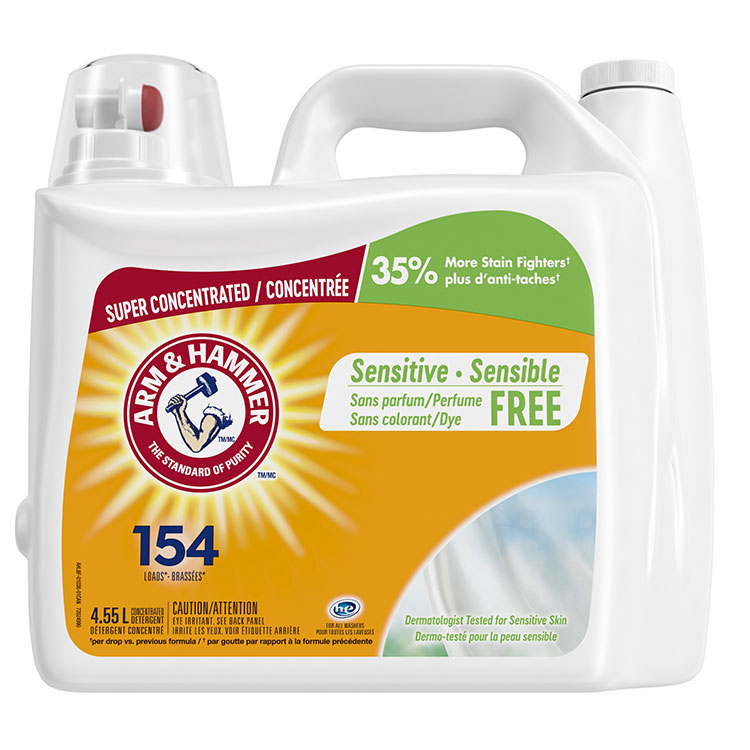
If you or someone in your household struggles with skin irritation, allergies, or respiratory sensitivities, switching to a perfume free washing powder could be one of the most impactful changes you make. Millions of people worldwide experience reactions to the synthetic fragrances found in standard laundry detergents, yet many never connect their symptoms to what’s in their washing machine. This article breaks down everything you need to know — from the science behind fragrance sensitivity to the best products on the market — so you can make a smarter, healthier choice for your laundry routine.
What Is Perfume Free Washing Powder?
Perfume free washing powder is a laundry detergent formulated without synthetic fragrances or artificial scents. Unlike regular washing powders that use complex chemical fragrance blends to leave clothes smelling “fresh,” perfume-free versions rely on cleaning agents, enzymes, and surfactants alone to remove dirt and stains — without triggering scent-related reactions.
It’s important to distinguish between two commonly confused terms:
- Fragrance-free: Contains no added fragrance chemicals whatsoever.
- Unscented: May still contain masking agents to neutralize odor, which can still cause reactions.
True perfume free washing powder falls into the fragrance-free category. When shopping, always read the ingredient label carefully rather than relying on front-of-pack marketing language, which can sometimes be misleading.
“Fragrances are one of the most common causes of allergic contact dermatitis, affecting approximately 1–4% of the general population.” — Contact Dermatitis Journal, 2022
Suggested read: Washing Machine Drain Plumbing: Everything You Need to Know to Do It Right
Why Synthetic Fragrances in Laundry Detergent Are a Problem
Standard laundry powders often contain dozens — sometimes hundreds — of individual chemical compounds to create a single “fresh linen” or “spring breeze” scent. Under EU and US regulations, manufacturers are not always required to disclose every individual fragrance ingredient, simply listing “parfum” or “fragrance” on the label.
This lack of transparency is a significant concern. Here’s why:
| Issue | Details |
|---|---|
| Allergic reactions | Fragrance chemicals are a leading cause of contact dermatitis |
| Respiratory irritation | VOCs (volatile organic compounds) released from fragrances can trigger asthma |
| Hormonal disruption | Some synthetic musks are linked to endocrine disruption |
| Environmental impact | Fragrance chemicals can be toxic to aquatic life |
| Residue on fabric | Fragrance molecules remain on clothing long after washing |
According to the American Academy of Dermatology, fragrance is the number one cause of cosmetic allergic reactions, and this extends to laundry products that stay in contact with skin through clothing and bed linen throughout the day and night.
Who Should Use Perfume Free Washing Powder?
While anyone can benefit from switching to a fragrance free washing powder, certain groups stand to gain the most:
People With Eczema and Psoriasis
Eczema affects over 245 million people globally, according to the World Allergy Organization. Fragrance residues left on clothing are a well-documented trigger for flare-ups. Dermatologists routinely recommend switching to perfume free laundry powder as a first-line lifestyle intervention.
Babies and Young Children
Infant skin is significantly thinner and more permeable than adult skin, making babies more vulnerable to chemical absorption. The NHS in the UK and American Academy of Pediatrics both recommend using non-biological, fragrance-free products for washing baby clothes and bedding.
People With Asthma and Respiratory Conditions
Fragrance molecules evaporate from clothing throughout the day, creating a low-level inhalation exposure. For asthma sufferers, this can be a meaningful and often overlooked trigger. A perfume free washing powder eliminates this entirely.
Pregnant Women
During pregnancy, heightened olfactory sensitivity makes strong scents particularly uncomfortable, and some fragrance chemicals raise questions around hormonal safety. Switching to fragrance-free laundry products is a simple precautionary step.
Healthcare and Childcare Workers
Many healthcare settings now have fragrance-free policies because patients recovering from illness or surgery can be especially sensitive. Healthcare workers washing their uniforms at home should choose a washing powder without perfume to remain compliant.
Key Ingredients to Look for in the Best Perfume Free Washing Powder
Not all fragrance-free products are created equal. The best perfume free washing powders combine effective cleaning chemistry with a clean, safe ingredient profile. Here’s what to look for:
Suggested read: Pressure Washer Tips: Everything You Need to Know for a Spotless Clean
Enzymes are the backbone of effective cold-water washing. Look for:
- Protease — breaks down protein stains like blood, sweat, and food
- Amylase — tackles starch-based stains
- Lipase — cuts through fats and oils
- Cellulase — helps keep fabrics bright and soft
Surfactants lift dirt away from fabric fibers. Plant-derived surfactants like sodium lauryl sulfate (plant-based) or alkyl polyglucosides are gentler and more biodegradable than petroleum-derived alternatives.
Builders like sodium carbonate (washing soda) soften water and boost cleaning power, especially in hard water areas.
Optical brighteners — these are worth flagging. While they make whites look whiter, some optical brighteners can cause skin reactions. If you’re highly sensitive, look for perfume free washing powders that are also optical brightener-free.
What Ingredients to Avoid
| Ingredient | Why Avoid It |
|---|---|
| Parfum / Fragrance | Umbrella term hiding hundreds of chemicals |
| Synthetic musks (e.g. galaxolide, tonalide) | Potential endocrine disruptors |
| Optical brighteners | Can cause photoallergic reactions |
| Phosphates | Environmental pollutants |
| Chlorine bleach | Harsh respiratory irritant |
| Formaldehyde-releasing preservatives | Known allergen and carcinogen |
How to Choose the Right Perfume Free Washing Powder for Your Needs
Choosing the right perfume free washing powder depends on several factors beyond just the absence of fragrance. Here’s a structured approach:
1. Assess Your Skin Sensitivity Level
If you have mild sensitivity, a basic fragrance-free mainstream product may suffice. For severe eczema, psoriasis, or multiple chemical sensitivity (MCS), you’ll want products that are certified by dermatological organizations like the British Skin Foundation or carry the Allergy UK Seal of Approval.
2. Consider Water Hardness in Your Area
Hard water reduces detergent effectiveness. If you live in a hard water area, choose a perfume free washing powder with a higher proportion of builders or water softeners like sodium carbonate. You may also consider adding a separate water softener to your wash.
3. Check Washing Temperature Compatibility
Enzyme-based formulas work best at 30–40°C, which is also more energy-efficient. If you regularly wash at higher temperatures (60°C+), ensure the product is formulated to work across temperature ranges.
4. Biological vs. Non-Biological
- Biological perfume free washing powders contain enzymes and are generally more effective at lower temperatures and on tough stains.
- Non-biological perfume free washing powders are enzyme-free and traditionally recommended for sensitive skin, though modern research suggests biological formulas are equally safe for most eczema sufferers when rinsed properly.
5. Packaging and Environmental Credentials
If sustainability matters to you, look for perfume free washing powder in recyclable cardboard packaging (powder is generally more eco-friendly than liquid detergent in plastic bottles), concentrated formulas that reduce plastic waste, and products with biodegradable ingredients.
Top Benefits of Switching to Perfume Free Washing Powder
Switching isn’t just about avoiding a rash. The benefits of a washing powder without perfume are broad and measurable:
Suggested read: How to Get a Spotless Car Wash: Tips, Methods, and Everything You Need to Know
- Reduced skin irritation: Clothing and bedding in contact with skin all day becomes a non-reactive surface.
- Better sleep: Fragrance-free bedding reduces nighttime allergic responses that can disturb sleep quality.
- Safer for the whole family: One product works for everyone — babies, elderly relatives, sensitive adults.
- Fewer laundry products needed: No need for additional fabric softeners to cover chemical odors.
- Lower environmental impact: Fewer synthetic chemicals entering waterways.
- Cost-effective: Many perfume free washing powders are competitively priced or available in bulk.
Perfume Free Washing Powder vs. Regular Washing Powder: A Comparison
| Feature | Perfume Free Washing Powder | Regular Washing Powder |
|---|---|---|
| Fragrance chemicals | None | Up to 100+ compounds |
| Risk of skin reaction | Low | Moderate to high |
| Suitable for babies | Yes | Sometimes |
| Eco-friendliness | Generally higher | Variable |
| Cleaning performance | Equivalent or better | Equivalent |
| Residual scent on clothes | None | Strong to moderate |
| Cost | Similar or slightly higher | Variable |
How to Get the Most Out of Your Perfume Free Washing Powder
Switching products is step one. Using them correctly maximizes results. Here are expert tips:
Measure accurately. Powder detergents are often overdosed, which can leave residue on fabric — itself a skin irritant. Use the measuring cup or scoop provided and follow dosage guidelines for your load size and water hardness.
Run an extra rinse cycle. If you or a family member has severe sensitivity, programming an extra rinse cycle ensures all detergent residue is fully removed from fabric.
Clean your washing machine regularly. Residue from previous scented detergents can linger inside the drum, dispenser drawer, and rubber seal. Run an empty hot wash with a washing machine cleaner before fully switching to your perfume free washing powder.
Wash new clothes before wearing. New garments often contain manufacturing chemicals, sizing agents, and dyes that can irritate skin. Washing with your new fragrance-free powder before first wear removes these residues.
Store powder correctly. Keep your perfume free washing powder in a cool, dry place with the bag or box sealed tightly to prevent clumping and maintain effectiveness.
Case Study: Eczema and the Switch to Fragrance Free Laundry Detergent
A 2021 study published in the Journal of the European Academy of Dermatology and Venereology followed 120 eczema patients over six months. Participants who switched to fragrance-free, dye-free laundry products reported:
- 67% noticed a reduction in itch intensity within four weeks
- 54% were able to reduce their topical steroid use
- 82% said their clothing felt more comfortable against their skin
- Overall flare frequency reduced by an average of 40%
These results highlight how a simple laundry swap — choosing a perfume free washing powder — can have a clinically meaningful impact on quality of life for eczema sufferers.
Environmental Impact of Perfume Free Washing Powder
Conventional fragrance chemicals pose documented environmental risks. Many synthetic musks are bioaccumulative, meaning they build up in aquatic organisms over time. Studies have detected fragrance compounds in fish tissue, drinking water supplies, and even Arctic sediments.
By choosing a perfume free washing powder with biodegradable surfactants and no synthetic fragrance compounds, you’re contributing to:
Suggested read: Fast Track Car Wash: Everything You Need to Know Before Your Next Visit
- Reduced chemical loading in rivers and streams
- Lower toxicity to aquatic invertebrates and fish
- Fewer persistent chemicals in the water cycle
- A reduced overall environmental footprint per wash
Look for products certified by schemes like the EU Ecolabel, Nordic Swan, or Leaping Bunny (cruelty-free) to ensure your chosen product meets verified environmental standards.
Perfume Free Washing Powder for Specific Fabric Types
Different fabrics have different needs, and the good news is that most quality fragrance free washing powders work safely across fabric types. Here’s a quick guide:
| Fabric Type | Recommended Approach |
|---|---|
| Cotton and linen | Standard dose, 30–40°C |
| Wool and cashmere | Wool-specific fragrance-free formula, cold wash |
| Synthetics (polyester, nylon) | Standard dose, 30°C to preserve fibers |
| Silk | Specialist silk wash or very delicate fragrance-free formula |
| Baby clothing | Non-bio perfume free powder, extra rinse |
| Sportswear | Enzyme-based perfume free powder at 30–40°C |
Related Reading
If you’re passionate about clean, chemical-free approaches to everyday products, you might also enjoy exploring how professional car cleaning services are moving toward greener formulations. Check out Zoom Car Wash for an example of how modern cleaning services are evolving to be more efficient and eco-conscious.
Frequently Asked Questions About Perfume Free Washing Powder
Is perfume free washing powder as effective as regular washing powder?
Yes. Modern perfume free washing powder formulas use the same — or superior — enzyme technology and surfactant systems as scented alternatives. The absence of fragrance does not reduce cleaning performance. In many cases, fragrance-free powders contain a higher proportion of active cleaning ingredients because they’re not using formulation space for fragrance blends.
Can perfume free washing powder help with eczema?
Absolutely. Dermatologists and allergy specialists consistently recommend switching to a perfume free washing powder as part of a comprehensive eczema management plan. Fragrance chemicals are among the most common contact allergens, and removing them from laundry products reduces ongoing skin exposure significantly.
Is perfume free washing powder safe for babies?
Yes — in fact, it’s the preferred choice for washing baby clothes. Infant skin is more absorbent and reactive than adult skin, making fragrance-free, dye-free laundry products the safest option. Look for a non-biological perfume free washing powder specifically designed for baby laundry for the gentlest formulation.
Does perfume free washing powder still smell of anything?
True fragrance free washing powder should have very little to no noticeable scent. Some may have a very faint chemical or neutral odor from the base ingredients, but this dissipates completely during washing. Your laundry will smell clean and neutral — not perfumed, but not unpleasant.
How much perfume free washing powder should I use per wash?
Follow the manufacturer’s dosage guidelines printed on the packaging. Dosage typically varies based on load size, water hardness, and soil level. Using too much doesn’t clean better — it leaves residue on fabric that can itself irritate skin. Many sensitive skin users find that slightly less than the recommended dose works perfectly with an extra rinse cycle.
Where can I buy perfume free washing powder?
Perfume free washing powder is widely available at major supermarkets, pharmacies, health food stores, and online retailers. Perfume free washing powder options are also recommended by allergy organizations who maintain product directories for sensitive consumers.
Is perfume free washing powder more expensive?
Not necessarily. Many mainstream brands offer fragrance-free washing powder at the same price point as their scented lines. Specialist sensitive-skin brands may cost slightly more, but the health benefits — reduced need for antihistamines, topical creams, and doctor visits — often outweigh the marginal cost difference.
Suggested read: Wash Bottle: Everything You Need to Know Before You Buy One
Can I use perfume free washing powder in a standard and HE (high-efficiency) washing machine?
Yes. Most modern perfume free washing powders are formulated to work in both standard top-loading machines and high-efficiency front-loading machines. Check for an “HE compatible” label if you have a high-efficiency machine, as these require low-sudsing formulas.
Take Action: Make the Switch to Perfume Free Washing Powder Today
If you’ve been experiencing unexplained skin irritation, itching, redness, or respiratory discomfort, your laundry detergent could be the culprit. Switching to a quality perfume free washing powder is one of the simplest, most affordable, and most impactful changes you can make to your daily routine.
Start by finishing your current detergent, deep-cleaning your washing machine, and then making the switch to a certified fragrance free washing powder suited to your household’s needs. Your skin — and your family’s skin — will thank you.
Ready to find the right perfume free washing powder for your home? Look for products carrying dermatological approval seals, check ingredient lists for true fragrance-free formulations, and consider buying in bulk to save money while keeping your laundry routine clean, safe, and gentle.
Citation: Allergy UK. (2023). Fragrance Allergy and Laundry Products. Retrieved from https://www.allergy.org.au/ | American Academy of Dermatology Association. Eczema and contact dermatitis triggers. Retrieved from https://www.aad.org | World Allergy Organization. (2022). Global Prevalence of Eczema.