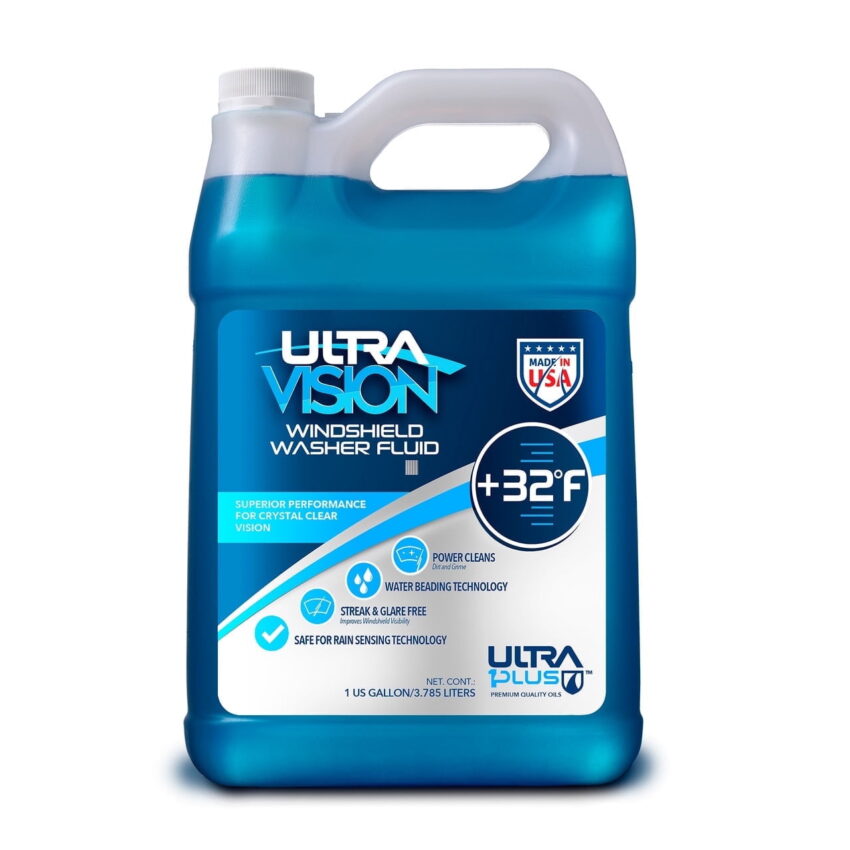
Maintaining crystal-clear visibility while driving is crucial for road safety, and choosing the best windscreen washer fluid can make all the difference between a safe journey and a potentially dangerous situation. Your windscreen washer system is one of the most underrated safety features in your vehicle, yet many drivers overlook the importance of using quality washer fluid until they’re faced with a dirty, streaky windscreen that impairs their vision.
The right windscreen washer fluid does more than just clean your windscreen – it removes stubborn dirt, road grime, insect residue, and salt deposits while providing streak-free clarity. With numerous options available in the market, from basic water-based solutions to advanced all-season formulas, selecting the ideal product for your specific needs requires understanding the key features, ingredients, and performance characteristics that separate superior products from mediocre alternatives.
What Makes the Best Windscreen Washer Fluid?
Essential Performance Characteristics
The best windscreen washer fluid must excel in several critical areas to ensure optimal cleaning performance and vehicle protection. Cleaning power stands as the primary consideration, as the fluid must effectively dissolve and remove various contaminants including road tar, tree sap, bird droppings, and accumulated dust without leaving residue or streaks on your windscreen surface.
Temperature resistance represents another crucial factor, particularly for drivers in regions experiencing extreme weather conditions. Premium washer fluids contain methanol or ethylene glycol additives that prevent freezing in sub-zero temperatures, ensuring your washer system remains functional during winter months when visibility challenges are most severe.
Streak-free formulation distinguishes quality products from inferior alternatives, as the fluid must evaporate cleanly without leaving mineral deposits or film that can actually reduce visibility rather than improve it. The best formulations incorporate surfactants and detergents specifically designed to break surface tension and promote even distribution across the windscreen surface.
Key Ingredients That Matter
Understanding the ingredients in windscreen washer fluid helps you make informed decisions about which products offer the best value and performance for your specific needs. Methanol serves as the primary antifreeze agent in most commercial washer fluids, preventing freezing at temperatures as low as -20°F to -25°F depending on concentration levels.
Surfactants and detergents form the cleaning backbone of effective washer fluids, breaking down oils, grease, and organic matter that accumulate on windscreens during normal driving conditions. These ingredients work synergistically to lift contaminants from the glass surface while preventing them from re-depositing during the cleaning process.
Corrosion inhibitors protect your vehicle’s washer system components, including pumps, hoses, and spray nozzles, from degradation caused by harsh cleaning agents and environmental exposure. Quality formulations balance cleaning effectiveness with component protection to ensure long-term system reliability.
Suggested read: Non Toxic Body Wash: The Best Clean Beauty Picks for Safer Skin in 2026
Top Best Windscreen Washer Fluid Brands for 2025
Rain-X Original Washer Fluid
Rain-X has established itself as a leading brand in automotive glass care, and their original washer fluid continues to set industry standards for cleaning performance and water-repelling technology. This best windscreen washer fluid option incorporates Rain-X’s signature hydrophobic treatment, which causes water to bead up and roll off treated surfaces, improving visibility during rain storms and reducing the need for frequent wiper blade operation.
The formula provides excellent cleaning power against common contaminants while offering freeze protection down to -25°F, making it suitable for most climate conditions. Users consistently report streak-free results and improved visibility, particularly during adverse weather conditions when clear vision becomes most critical for safe driving.
Key Features:
- Advanced water-repelling technology
- Freeze protection to -25°F
- Removes road grime and insect residue
- Streak-free formula
- Compatible with all washer fluid systems
Prestone All Season Washer Fluid
Prestone’s All Season formula represents excellent value for drivers seeking reliable performance across varying weather conditions without premium pricing. This best windscreen washer fluid candidate delivers consistent cleaning results while providing adequate freeze protection for most geographic regions, making it a practical choice for everyday driving needs.
The formulation effectively removes common road contaminants including salt residue, mud, and organic matter while maintaining compatibility with all vehicle washer systems. Prestone’s reputation for quality automotive fluids extends to this product, which has earned positive reviews from both professional mechanics and everyday drivers who appreciate its reliable performance and reasonable cost.
Performance Specifications:
- Freeze protection to -27°F
- Removes bugs, road grime, and salt
- Safe for all vehicle finishes
- Methanol-based formula
- Available in concentrated and ready-to-use forms
Nextzett Kristall Klar Washer Fluid
For drivers demanding premium performance, Nextzett Kristall Klar represents the pinnacle of windscreen washer fluid technology. This German-engineered product delivers exceptional cleaning power while providing superior streak-free results that rival professional glass cleaning products used in commercial applications.
The concentrated formula allows for custom dilution ratios, enabling users to adjust cleaning strength and freeze protection based on seasonal requirements and local conditions. Professional detailers and automotive enthusiasts consistently rate this as one of the best windscreen washer fluids available, particularly for luxury vehicles where perfect visibility and finish protection are paramount.
Premium Features:
- Concentrated formula for custom dilution
- Professional-grade cleaning agents
- Superior streak-free performance
- Gentle on vehicle finishes
- Long-lasting cleaning action
Seasonal Considerations for Windscreen Washer Fluid
Winter Formulations
Cold weather presents unique challenges for windscreen cleaning, requiring specialized formulations that maintain effectiveness at low temperatures while preventing system damage from freezing. Winter windscreen washer fluid formulations typically contain higher concentrations of antifreeze agents, ensuring proper system operation even in extreme cold conditions.
The best windscreen washer fluid for winter use must balance freeze protection with cleaning power, as some antifreeze agents can reduce the effectiveness of cleaning surfactants. Premium winter formulations address this challenge by incorporating specialized additives that maintain cleaning performance while providing reliable freeze protection down to -40°F or lower.
Winter-Specific Requirements:
- Enhanced freeze protection
- De-icing capabilities
- Reduced water content
- Methanol or ethylene glycol base
- Compatibility with heated washer systems
Summer and All-Season Options
Warmer weather allows for greater flexibility in washer fluid selection, as freeze protection becomes less critical and cleaning performance can take priority. Summer windscreen washer fluid formulations often emphasize bug removal and streak-free cleaning, as insects and organic matter become more prevalent during warm months.
All-season formulations provide year-round convenience for drivers who prefer not to switch products based on weather conditions. These best windscreen washer fluid options typically offer moderate freeze protection combined with excellent cleaning performance, making them suitable for most climate conditions throughout the year.
| Season | Primary Concerns | Recommended Features |
|---|---|---|
| Winter | Freeze protection, ice removal | -25°F to -40°F protection, de-icing agents |
| Spring | Pollen, tree sap removal | Strong cleaning agents, anti-static properties |
| Summer | Insect removal, heat resistance | Bug-dissolving formula, UV protection |
| Fall | Leaf debris, early frost | Moderate freeze protection, organic matter removal |
How to Choose the Best Windscreen Washer Fluid
Assessing Your Driving Conditions
Selecting the optimal windscreen washer fluid requires careful consideration of your typical driving conditions, climate, and vehicle usage patterns. Highway driving exposes your windscreen to different contaminants than city driving, with high-speed travel creating greater insect impact and road spray exposure that demands more aggressive cleaning formulations.
Urban driving conditions present unique challenges including increased pollution, construction dust, and stop-and-go traffic that can lead to different types of windscreen contamination. The best windscreen washer fluid for city driving should excel at removing fine particulates and urban pollutants while providing quick cleaning action during brief stops at traffic lights.
Rural and off-road driving introduces additional variables including agricultural chemicals, unpaved road dust, and vegetation contact that requires specialized cleaning capabilities. Drivers in these conditions benefit from washer fluids with enhanced organic matter removal and stronger detergent action to handle heavier contamination loads.
Climate-Specific Requirements
Your local climate significantly influences the type of windscreen washer fluid that will deliver optimal performance throughout the year. Cold climate drivers must prioritize freeze protection and de-icing capabilities, while those in warmer regions can focus on cleaning performance and water-repelling properties.
Suggested read: How to Make DIY Windshield Washer Fluid: 7 Simple Recipes That Save Money
Moderate climates with seasonal temperature variations benefit from all-season formulations that provide adequate freeze protection without sacrificing cleaning effectiveness during warmer months. These versatile products represent the best value for drivers who experience temperature ranges from below freezing to hot summer conditions.
Extreme climate considerations may require specialized products or seasonal switching between different formulations to maintain optimal performance year-round. Professional drivers and those with critical visibility requirements often invest in premium products specifically designed for their regional conditions.
Installation and Usage Tips
Proper Dilution Ratios
Many premium windscreen washer fluids are sold in concentrated form, requiring proper dilution to achieve optimal performance and cost-effectiveness. Concentrated washer fluid typically offers better value per cleaning application while allowing users to adjust strength based on specific needs and seasonal requirements.
The best windscreen washer fluid concentrates include detailed dilution instructions that specify ratios for different temperature ranges and contamination levels. Following these guidelines ensures proper freeze protection while maximizing cleaning effectiveness and avoiding waste from over-dilution.
Standard Dilution Guidelines:
- Summer use: 1:4 to 1:6 ratio (concentrate to water)
- Winter use: 1:2 to 1:3 ratio for enhanced freeze protection
- Extreme cold: 1:1 ratio for maximum antifreeze protection
- Light cleaning: 1:8 ratio for maintenance washing
System Maintenance Best Practices
Proper maintenance of your windscreen washer system ensures optimal performance from even the best windscreen washer fluid available. Regular system flushing removes accumulated residue and prevents bacterial growth that can cause unpleasant odors and reduced cleaning effectiveness.
Reservoir cleaning should be performed annually or when switching between different fluid types to prevent incompatibility issues and maintain system cleanliness. Quality washer fluids include antimicrobial agents that help prevent bacterial growth, but periodic system maintenance remains essential for long-term performance.
Nozzle and hose maintenance prevents blockages that can reduce spray patterns and cleaning effectiveness. Using quality washer fluid with appropriate corrosion inhibitors helps protect system components while maintaining proper spray patterns for optimal windscreen coverage.
Cost Analysis and Value Considerations
Price vs. Performance Comparison
The windscreen washer fluid market offers products ranging from budget-friendly options under $3 per gallon to premium formulations exceeding $15 per gallon. Value-conscious consumers must balance upfront costs against long-term benefits including superior cleaning performance, extended system life, and reduced maintenance requirements.
Premium windscreen washer fluids often provide better value despite higher initial costs due to superior cleaning effectiveness, longer-lasting results, and protective additives that extend system component life. Professional drivers and those with expensive vehicles particularly benefit from investing in quality products that protect both visibility and vehicle value.
Budget options can provide adequate performance for basic cleaning needs, but may require more frequent applications and offer limited freeze protection or system protection benefits. Understanding your specific requirements helps determine the optimal balance between cost and performance for your situation.
Long-Term Investment Benefits
Investing in the best windscreen washer fluid for your needs provides several long-term benefits that justify higher initial costs. Superior cleaning performance reduces the need for frequent applications, effectively lowering cost per use while improving overall visibility and safety.
System protection offered by quality formulations prevents costly repairs to washer pumps, hoses, and nozzles that can result from using inferior products or plain water. Corrosion inhibitors and antimicrobial agents in premium products help maintain system integrity over extended periods.
Enhanced safety benefits from improved visibility during adverse conditions represent invaluable long-term value that extends beyond simple cost considerations. The peace of mind and safety advantages of crystal-clear visibility justify investing in quality windscreen washer fluid products.
Environmental and Safety Considerations
Eco-Friendly Formulations
Environmental consciousness increasingly influences consumer choices, and the best windscreen washer fluid manufacturers have responded by developing eco-friendly formulations that maintain cleaning effectiveness while reducing environmental impact. Biodegradable surfactants and reduced toxic content make these products safer for both users and the environment.
Methanol-free formulations eliminate the most toxic component found in traditional washer fluids, replacing it with less harmful antifreeze agents that provide adequate freeze protection while reducing health and environmental risks. These products particularly benefit families with children and environmentally conscious consumers.
Packaging innovations including concentrated formulas and recyclable containers reduce waste while maintaining product effectiveness. Many manufacturers now offer refillable containers and bulk options that minimize packaging waste while providing cost savings to consumers.
Safety Handling Guidelines
Proper handling and storage of windscreen washer fluid ensures user safety while maintaining product effectiveness. Methanol-based products require careful handling due to their toxic nature, with proper ventilation and skin protection being essential during use and storage.
Suggested read: Windshield Washer Fluid Concentrate: Save Money and Space with This Smart Solution
Storage recommendations include keeping products in original containers, avoiding extreme temperatures, and ensuring secure storage away from children and pets. Quality products include comprehensive safety information and handling guidelines that should be followed carefully.
Disposal considerations require following local regulations for hazardous waste disposal, as many washer fluids contain ingredients that should not be poured down drains or disposed of with regular household waste. Proper disposal protects both environmental and public health.
Technical Specifications and Testing
Performance Testing Standards
The best windscreen washer fluid products undergo rigorous testing to ensure consistent performance across varying conditions and applications. ASTM International standards provide benchmarks for freeze point, cleaning effectiveness, and material compatibility that help consumers compare products objectively.
Laboratory testing evaluates products under controlled conditions to measure cleaning performance against standardized contamination, freeze protection at specified temperatures, and compatibility with common vehicle materials including rubber seals and plastic components.
Real-world testing supplements laboratory results by evaluating products under actual driving conditions, providing insights into performance during varying weather, contamination levels, and usage patterns that laboratory testing cannot fully replicate.
Quality Assurance Measures
Reputable manufacturers implement comprehensive quality assurance programs that ensure consistent product performance and safety. Batch testing verifies that each production run meets established specifications for key performance characteristics including freeze point, cleaning power, and material compatibility.
Certification programs from organizations like the Society of Automotive Engineers (SAE) provide independent verification of product performance and safety claims. Products meeting these standards offer greater assurance of quality and reliability compared to uncertified alternatives.
Customer feedback integration helps manufacturers identify real-world performance issues and improve formulations based on actual user experiences. The best companies actively solicit and respond to customer input to continuously improve their products.
Regional Availability and Purchasing Options
Retail Distribution Channels
The best windscreen washer fluid products are available through various retail channels, each offering different advantages in terms of pricing, selection, and convenience. Automotive specialty stores typically offer the widest selection of premium products along with knowledgeable staff who can provide guidance on product selection.
Mass retailers including big-box stores and supermarkets provide convenient access to common brands at competitive prices, making them ideal for consumers seeking basic cleaning solutions without specialized requirements. These outlets often offer bulk purchasing options that provide additional cost savings.
Online retailers offer the greatest selection and often the best prices, particularly for premium and specialty products that may not be available in local stores. The convenience of home delivery and access to customer reviews make online purchasing attractive for many consumers.
Bulk Purchasing Advantages
Commercial users and high-mileage drivers benefit from bulk purchasing options that provide significant cost savings while ensuring consistent product availability. Many manufacturers offer commercial-grade products in larger containers that reduce per-use costs while maintaining quality.
Group purchasing through automotive clubs or community organizations can provide access to bulk pricing for individual consumers who don’t require large quantities themselves. These arrangements allow cost-conscious consumers to access premium products at reduced prices.
Subscription services offered by some online retailers provide automatic delivery of windscreen washer fluid at regular intervals, ensuring consistent availability while often providing additional cost savings through volume discounts.
Professional Recommendations and Reviews
Industry Expert Opinions
Automotive professionals consistently recommend investing in quality windscreen washer fluid as a simple yet effective way to improve driving safety and vehicle maintenance. Professional mechanics report that vehicles using premium washer fluids experience fewer system problems and better long-term performance.
Fleet managers who oversee hundreds of vehicles provide valuable insights into large-scale performance differences between various windscreen washer fluid products. Their experiences with different brands under diverse conditions offer practical guidance for individual consumers.
Automotive journalists and testing organizations regularly evaluate washer fluid products, providing independent assessments of performance, value, and reliability that help consumers make informed decisions about product selection.
Suggested read: 8 GPM Pressure Washer: Heavy-Duty Cleaning Power for Commercial Applications
Customer Satisfaction Data
Consumer surveys consistently show high satisfaction rates for premium windscreen washer fluid products, with users reporting improved visibility, fewer streaks, and better overall cleaning performance compared to basic alternatives. These results justify the higher costs of quality products for most users.
Long-term user studies reveal that drivers who invest in quality washer fluid experience fewer system problems and maintain better visibility over extended periods. The cumulative benefits of superior products become more apparent with continued use.
Brand loyalty statistics indicate that consumers who try premium windscreen washer fluid products rarely return to basic alternatives, suggesting significant performance differences that justify higher costs and create lasting customer satisfaction.
Troubleshooting Common Issues
Streak and Residue Problems
Streaking issues often result from using low-quality washer fluid or improper dilution ratios that leave residue on windscreen surfaces. The best windscreen washer fluid products incorporate advanced surfactants that prevent streak formation while providing thorough cleaning action.
Residue buildup can occur when switching between different fluid types or using products with incompatible ingredients. System flushing with clean water helps remove accumulated residue and prepares the system for new fluid installation.
Water quality significantly impacts washer fluid performance, with hard water containing minerals that can interfere with cleaning agents and create streaking problems. Using distilled water for dilution eliminates these issues and ensures optimal performance from quality products.
System Performance Issues
Reduced spray pressure may indicate clogged nozzles or hoses that require cleaning or replacement. Quality washer fluids include detergents that help prevent buildup, but existing blockages may require mechanical cleaning or professional service.
Inconsistent cleaning can result from improper fluid selection, system contamination, or worn wiper blades that fail to distribute fluid evenly across the windscreen. Addressing all components of the cleaning system ensures optimal performance.
Freezing problems in cold weather indicate inadequate freeze protection or system contamination that reduces antifreeze effectiveness. Switching to appropriate winter formulations and flushing contaminated systems resolves most freezing issues.
Advanced Features and Innovations
Nanotechnology Applications
Nanotechnology enhancements in premium windscreen washer fluids provide superior cleaning performance through microscopic particles that penetrate and remove stubborn contaminants more effectively than traditional formulations. These advanced products represent the cutting edge of automotive glass care technology.
Hydrophobic coatings incorporated into advanced washer fluids create water-repelling surfaces that improve visibility during rain while reducing the frequency of cleaning required. These technologies originated in aerospace applications and are now available in consumer products.
Self-cleaning properties enabled by photocatalytic additives help break down organic contaminants through exposure to sunlight, extending the time between cleaning applications while maintaining optimal visibility under varying conditions.
Smart System Integration
Sensor-compatible formulations work with modern vehicles equipped with automatic windscreen cleaning systems that adjust spray patterns and timing based on contamination levels and driving conditions. These advanced products complement sophisticated vehicle systems for optimal performance.
Temperature-responsive additives automatically adjust cleaning strength based on ambient conditions, providing stronger cleaning action in hot weather when insect impacts increase while maintaining system protection in cold conditions.
Diagnostic compatibility ensures that advanced washer fluids don’t interfere with vehicle diagnostic systems that monitor washer fluid levels and system performance, maintaining proper vehicle operation while providing superior cleaning results.
Frequently Asked Questions
What is the best windscreen washer fluid for winter conditions?
The best windscreen washer fluid for winter use should provide freeze protection to at least -25°F while maintaining effective cleaning performance. Look for products containing methanol or ethylene glycol as antifreeze agents, combined with strong detergents that can remove road salt and ice-melting chemicals. Premium winter formulations like Rain-X De-Icer or Prestone Bug Wash offer superior freeze protection and cleaning power specifically designed for cold weather conditions.
How often should I replace my windscreen washer fluid?
Windscreen washer fluid should be replaced when the reservoir is empty or when switching between seasonal formulations. Most drivers refill their systems every 3-6 months depending on usage patterns and driving conditions. If you notice reduced cleaning effectiveness, strange odors, or system performance issues, it may be time to flush the system and install fresh fluid regardless of the refill schedule.
Can I use water instead of windscreen washer fluid?
Using plain water instead of proper windscreen washer fluid is not recommended as it lacks cleaning agents needed to remove road grime, insects, and other contaminants effectively. Water also provides no freeze protection and can damage your washer system in cold temperatures. Additionally, standing water in the system can promote bacterial growth and create unpleasant odors over time.
Suggested read: Best Kids Body Wash for Sensitive Skin: Safe, Gentle Formulas Parents Trust
What’s the difference between concentrated and ready-to-use washer fluid?
Concentrated windscreen washer fluid requires dilution with water before use but offers better value and allows you to adjust strength based on conditions. Ready-to-use products provide convenience but typically cost more per application. Concentrated formulas are ideal for users who want to customize their cleaning solution, while ready-to-use options work best for those who prefer convenience and don’t want to handle dilution.
Is expensive windscreen washer fluid worth the extra cost?
Premium windscreen washer fluid typically offers superior cleaning performance, better freeze protection, and system protection features that justify higher costs. While basic products may adequately clean light contamination, premium formulations excel at removing stubborn residue, provide better streak-free results, and often include protective additives that extend system life. For most drivers, the improved performance and peace of mind justify the modest additional cost.
How do I know if my windscreen washer fluid is frozen?
Signs of frozen windscreen washer fluid include no spray when activating the system, strange noises from the washer pump, or visible ice in the reservoir. If you suspect freezing, avoid operating the system as this can damage the pump. Allow the vehicle to warm up in a heated garage or use a safe warming method to thaw the system before adding appropriate winter-grade fluid.
Can different brands of windscreen washer fluid be mixed?
While mixing different brands of windscreen washer fluid is generally safe, it’s not recommended as different formulations may interact unpredictably and reduce effectiveness. If you must mix products, ensure they have similar base ingredients and freeze protection ratings. For best results, use up the existing fluid completely before switching to a new product, or flush the system when changing brands.
What should I do if windscreen washer fluid gets on my car’s paint?
Quality windscreen washer fluid is designed to be safe on automotive finishes, but immediate rinsing with water is recommended if fluid contacts painted surfaces. Most modern formulations won’t damage paint, but allowing the fluid to dry on the surface may leave residue that requires cleaning. If you notice any discoloration or damage, consult a professional detailer for proper treatment.
Looking for the best windscreen washer fluid for your vehicle? Visit our comprehensive comparison tool to find the perfect product for your specific needs and driving conditions. Compare features, prices, and customer reviews to make an informed decision that ensures optimal visibility and safety on the road.
Internal Link: Check out our detailed guide on best washer fluid for additional product recommendations and expert tips.
Source: For the latest information on windscreen washer fluid testing and recommendations, visit the best windscreen washer fluid research database for comprehensive product evaluations and safety data.