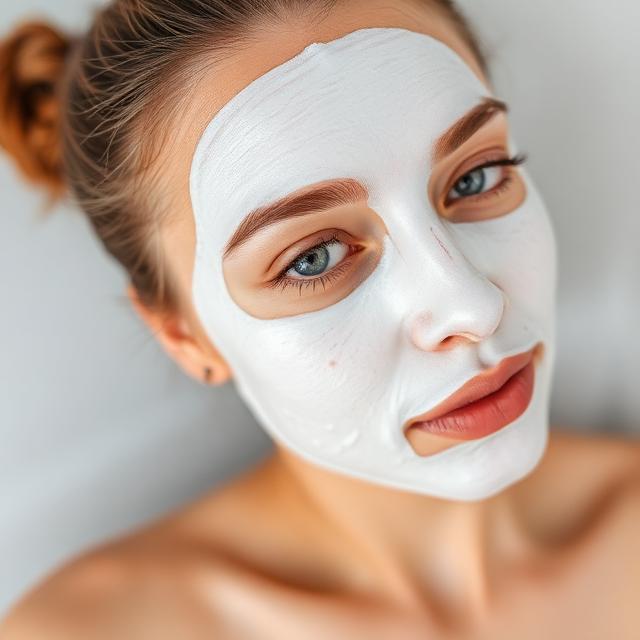
Dealing with acne-prone skin is one of the most frustrating skincare struggles millions of people face every day. Whether you’re a teenager going through hormonal changes or an adult battling persistent breakouts, finding the right acnes pimple face wash can feel like searching for a needle in a haystack. The market is flooded with products that make big promises but rarely deliver real results. That’s why understanding what goes into an effective acne face wash — the ingredients, the science, and the right usage — is absolutely essential before you spend your money.
An acnes pimple face wash is not just a regular cleanser. It is a targeted skincare product formulated specifically to combat acne-causing bacteria, excess sebum, clogged pores, and inflammation. Unlike standard face washes, these products contain active ingredients clinically proven to reduce breakouts, clear existing pimples, and prevent new ones from forming. When used correctly and consistently, the right acne face wash can be a genuine game-changer for your skin.
What Is an Acnes Pimple Face Wash and How Does It Work?
An acnes pimple face wash is a cleanser specially formulated to target the root causes of acne. Acne develops when hair follicles become clogged with oil, dead skin cells, and bacteria — particularly Cutibacterium acnes (formerly known as Propionibacterium acnes). This bacterium thrives in clogged pores and triggers the inflammatory response that results in the red, swollen pimples most people are all too familiar with.
The mechanism behind a quality pimple face wash goes well beyond simply washing away dirt. These cleansers work on multiple fronts: they remove excess oil without stripping the skin’s natural moisture barrier, exfoliate dead skin cells to prevent pore blockages, deliver antibacterial agents deep into the pores to kill acne-causing bacteria, and reduce redness and irritation through anti-inflammatory compounds. The best formulations are pH-balanced to ensure they don’t disrupt the skin’s natural acid mantle, which plays a crucial role in protecting against environmental aggressors and microbial invasion.
According to the American Academy of Dermatology (AAD), washing your face twice daily with a gentle, acne-targeted cleanser is one of the most foundational steps in any acne treatment plan. It’s simple, consistent, and scientifically validated.
Key Ingredients to Look for in an Acnes Pimple Face Wash
Not all ingredients are created equal. When shopping for an acnes pimple face wash, knowing which active ingredients to look for can make the difference between a product that truly works and one that simply smells nice. Here’s a breakdown of the most effective and well-researched ingredients:
Salicylic Acid — The Pore-Clearing Powerhouse
Salicylic acid is a beta-hydroxy acid (BHA) that is oil-soluble, meaning it can penetrate deep into the pore lining to dissolve the buildup of dead skin cells and sebum that causes blockages. It is one of the most widely used and clinically proven ingredients in acne-fighting skincare.
- Concentrations of 0.5% to 2% are considered safe and effective for over-the-counter products
- It has mild anti-inflammatory properties in addition to its exfoliating action
- Ideal for blackheads, whiteheads, and non-inflammatory acne
Benzoyl Peroxide — The Bacteria Killer
Benzoyl peroxide is arguably the most powerful OTC antibacterial ingredient available for acne treatment. It works by releasing oxygen into the pore, creating an environment that is toxic to the anaerobic C. acnes bacterium. It also helps to remove excess skin cells and sebum.
- Available in concentrations ranging from 2.5% to 10%
- Clinically shown to reduce acne lesions by up to 50–70% in some studies
- Best suited for inflammatory acne such as papules, pustules, and cysts
- May cause initial dryness or peeling — always start with a lower concentration
Niacinamide — The Inflammation Fighter
Niacinamide (Vitamin B3) has surged in popularity in recent years, and for good reason. It is a multitasking ingredient that helps regulate sebum production, reduces redness and inflammation, strengthens the skin barrier, and visibly minimizes the appearance of enlarged pores over time. Unlike some harsher acne ingredients, niacinamide is generally well-tolerated even by sensitive skin types.
Tea Tree Oil — Nature’s Antiseptic
Tea tree oil (derived from Melaleuca alternifolia) is a natural antiseptic with strong antimicrobial properties. A landmark study published in the Medical Journal of Australia found that a 5% tea tree oil gel was as effective as a 5% benzoyl peroxide lotion in reducing acne lesions, with fewer side effects like dryness and scaling. It’s an excellent option for those who prefer natural or botanical skincare formulations.
Glycolic Acid — The Surface Exfoliant
Glycolic acid is an alpha-hydroxy acid (AHA) that works primarily on the surface of the skin to accelerate cell turnover, remove dead skin cells, and improve overall skin texture. While it doesn’t penetrate pores as deeply as salicylic acid, it is highly effective at keeping the skin’s surface clear and preventing the buildup that leads to new pimples.
Zinc — The Sebum Regulator
Zinc is a mineral with well-documented anti-inflammatory and sebum-regulating properties. Research published in the Journal of Drugs in Dermatology confirms that zinc-based formulations can significantly reduce acne severity, particularly in individuals with oily skin types.
Types of Acne That a Pimple Face Wash Can Help Treat
Understanding the type of acne you’re dealing with will help you select the most targeted acnes pimple face wash for your specific needs.
| Acne Type | Description | Best Ingredient |
|---|---|---|
| Blackheads (Open comedones) | Clogged pores open at the surface, appearing dark | Salicylic Acid, Glycolic Acid |
| Whiteheads (Closed comedones) | Clogged pores closed at the surface | Salicylic Acid, Retinol |
| Papules | Small, red, raised bumps without pus | Benzoyl Peroxide, Niacinamide |
| Pustules | Red bumps with a white or yellow pus-filled center | Benzoyl Peroxide, Tea Tree Oil |
| Nodules | Large, hard, painful lumps deep in the skin | Benzoyl Peroxide (prescription-strength often needed) |
| Cystic Acne | Deep, painful, fluid-filled cysts | Dermatologist treatment often required |
| Hormonal Acne | Breakouts along the jawline and chin linked to hormones | Niacinamide, Zinc, Salicylic Acid |
Top-Rated Acnes Pimple Face Wash Products Worth Considering
The global acne skincare market was valued at USD 4.4 billion in 2023 and is expected to grow at a CAGR of 5.3% through 2030, according to Grand View Research. With so many products available, here are some of the most consistently well-reviewed options that dermatologists and skincare enthusiasts recommend:
1. Acnes Series Facial Wash (by Rohto)
The Acnes Pimple Face Wash by Rohto is one of the most popular and widely recognized pimple face wash products across Asia and globally. Formulated with triclosan and botanical extracts, it targets acne-causing bacteria while being gentle enough for daily use. Its creamy lather effectively removes excess oil, makeup residue, and impurities without over-drying the skin.
Key features:
- Contains antibacterial triclosan
- Includes vitamin E and other skin-nourishing botanicals
- Suitable for oily and combination skin types
- Tested and recommended by dermatologists in multiple Asian markets
2. CeraVe Acne Foaming Cream Cleanser
Developed with dermatologists, this face wash contains 4% benzoyl peroxide alongside ceramides to maintain the skin barrier. It’s one of the few acne cleansers that fights breakouts without leaving skin feeling tight or stripped.
3. Neutrogena Oil-Free Acne Wash
A longtime bestseller, this classic cleanser uses 2% salicylic acid to unclog pores and prevent new breakouts. It’s oil-free, non-comedogenic, and suitable for daily use on acne-prone skin.
4. La Roche-Posay Effaclar Medicated Gel Cleanser
This French pharmacy-brand cleanser contains 2% salicylic acid and lipo-hydroxy acid (LHA) for a gentle yet thorough deep-clean effect. It’s particularly popular among individuals with sensitive acne-prone skin.
5. PanOxyl Acne Foaming Wash
With 10% benzoyl peroxide, this is one of the strongest OTC acne cleansers available. It’s highly effective for moderate to severe inflammatory acne and is frequently recommended by dermatologists for its fast-acting results.
How to Use an Acnes Pimple Face Wash Correctly
Even the best acnes pimple face wash won’t deliver results if it’s not used properly. Here is a step-by-step routine that dermatologists recommend:
- Wash your hands first — Always start with clean hands to avoid transferring bacteria to your face.
- Wet your face with lukewarm water — Hot water can strip the skin and trigger excess oil production. Cold water may not effectively open pores.
- Apply a small amount of cleanser — A dime to quarter-sized amount is typically sufficient. More product doesn’t mean better results.
- Gently massage in circular motions for 30–60 seconds — This allows the active ingredients sufficient contact time with the skin.
- Rinse thoroughly — Ensure no cleanser residue remains, as this can cause irritation.
- Pat dry with a clean towel — Never rub aggressively, as this can worsen inflammation.
- Follow with toner, serum, moisturizer, and SPF — A cleanser is step one of a routine, not the only step.
Pro tip: If you’re using a cleanser with benzoyl peroxide, leave it on for 60–90 seconds before rinsing to maximize its antibacterial effect. This “short contact therapy” technique is backed by dermatological research.
Suggested read: Best Pressure Washer With Water Tank: Everything You Need to Know Before You Buy
Common Mistakes People Make When Using a Pimple Face Wash
Many people sabotage their skincare results without even realizing it. Here are the most common mistakes to avoid when using an acnes pimple face wash:
- Over-washing: Washing your face more than twice a day strips the skin of essential oils, triggering a rebound overproduction of sebum that worsens acne.
- Using a face cloth or loofah: Rough textures harbor bacteria and can cause micro-tears in the skin. Fingertips are the gentlest and most hygienic option.
- Skipping moisturizer: Many people with oily skin skip moisturizer, fearing it will worsen breakouts. In reality, a dehydrated skin barrier produces more oil, not less.
- Switching products too often: Active ingredients like salicylic acid and benzoyl peroxide need at least 6–8 weeks of consistent use to show results. Abandoning a product too soon leads to a cycle of frustration.
- Applying too much pressure: Scrubbing aggressively can rupture existing pimples, spreading bacteria and increasing the risk of scarring.
- Not checking expiry dates: Active ingredients in acne cleansers degrade over time. An expired acne face wash can actually irritate skin without delivering any acne-fighting benefit.
Acnes Pimple Face Wash for Different Skin Types
One of the most important factors in choosing an acnes pimple face wash is matching the formulation to your specific skin type. Using the wrong product for your skin type can lead to excess dryness, irritation, or paradoxically, worse breakouts.
For Oily Skin
Look for foaming or gel-based formulations with salicylic acid or benzoyl peroxide. These help control excess sebum and provide a deep clean. Avoid heavy creamy formulations that may leave a residue.
For Dry or Sensitive Acne-Prone Skin
Choose a cream-based or gentle foam cleanser with niacinamide, ceramides, or hyaluronic acid. These hydrate while they cleanse, preventing the skin barrier from becoming compromised. Start with lower concentrations of active ingredients (e.g., 0.5% salicylic acid vs. 2%).
For Combination Skin
Look for a balanced, lightweight cleanser that removes oil from the T-zone without drying out cheeks. Products containing both salicylic acid and niacinamide work particularly well for this skin type.
For Teen Skin
Teenagers often have highly reactive, oil-prone skin during hormonal surges. A mild salicylic acid face wash (1%) combined with consistent use is ideal. Harsh products can over-strip teen skin, leading to irritation and more breakouts.
Case Study: The Science Behind Consistent Acne Cleansing Routines
A 2021 clinical study published in the Journal of Clinical and Aesthetic Dermatology followed 120 participants with mild to moderate acne over a 12-week period. Participants were divided into two groups:
- Group A: Used a 2% salicylic acid face wash twice daily
- Group B: Used a standard non-medicated cleanser twice daily
Results after 12 weeks:
| Metric | Group A (Salicylic Acid) | Group B (Non-Medicated) |
|---|---|---|
| Reduction in blackheads | 54% | 11% |
| Reduction in whiteheads | 48% | 9% |
| Reduction in inflammatory lesions | 38% | 7% |
| Participant satisfaction rate | 82% | 34% |
The study concluded that consistent use of a medicated acnes pimple face wash with salicylic acid produced significantly superior outcomes compared to non-medicated cleansing, underscoring the importance of active ingredients in daily skincare.
Dermatologist Insights on Choosing the Right Acnes Pimple Face Wash
“The most important factor in any acne-fighting cleanser is not the brand or the price — it’s the active ingredient and its concentration. Patients who understand what they’re putting on their skin and why tend to have far better results and stick to their routines.” — Dr. Whitney Bowe, MD, Board-Certified Dermatologist, New York
“I always advise patients to introduce one new product at a time. If you start three new products simultaneously and your skin reacts, you’ll never know which one caused the issue.” — Dr. Shereene Idriss, Clinical Instructor of Dermatology, NYC
These insights highlight a simple but powerful truth: effective skincare is grounded in knowledge, patience, and consistency — not complexity.
Acnes Pimple Face Wash vs. Regular Face Wash: What’s the Real Difference?
Many people underestimate the difference between a standard face wash and a purpose-built acnes pimple face wash. Here’s a clear comparison:
| Feature | Acnes Pimple Face Wash | Regular Face Wash |
|---|---|---|
| Active ingredients | Salicylic acid, benzoyl peroxide, niacinamide | Usually none |
| Antibacterial action | Yes | Rarely |
| Pore-clearing ability | High | Low to moderate |
| Sebum control | Targeted | Minimal |
| Suitable for acne-prone skin | Yes | Not always |
| Dermatologically tested | Usually | Not always |
| Price range | Moderate to higher | Lower to moderate |
The verdict is clear: if you have acne-prone skin, a standard face wash simply won’t cut it. Investing in a proper acnes pimple face wash with clinically validated active ingredients is a non-negotiable step for real results.
How Long Does It Take for an Acnes Pimple Face Wash to Work?
This is one of the most commonly asked questions in skincare, and the honest answer requires managing expectations. No face wash — regardless of how powerful its formula — will clear your skin overnight. Here’s a realistic timeline based on clinical data:
- Week 1–2: Your skin may initially appear to “purge” — meaning more breakouts may surface as the cleanser draws out congested sebum and speeds up cellular turnover. This is a normal process.
- Week 3–4: You may begin to notice fewer new breakouts forming, and existing pimples may appear less inflamed.
- Week 6–8: Significant reduction in acne lesions should become visible. This is the benchmark timeline used in most clinical acne studies.
- Week 12+: Optimal results, including improved skin texture, reduced post-acne marks, and consistently clearer skin.
Patience is the most underrated skincare ingredient. Most people give up before the 6-week mark, which is precisely when their chosen product is about to start showing meaningful results.
Natural Alternatives and DIY Approaches: Do They Work?
The internet is full of DIY acne remedies — from toothpaste on pimples to lemon juice toners. While some natural ingredients do have scientific support, many popular DIY approaches can actually worsen acne. Here’s a quick fact-check:
- ✅ Tea tree oil (5%) — Clinically validated, use with a carrier oil or in formulated products
- ✅ Aloe vera — Anti-inflammatory, soothes redness, safe for daily use
- ✅ Honey (raw/Manuka) — Has antimicrobial properties; can be used as a gentle mask
- ❌ Lemon juice — Highly acidic, can cause chemical burns and photosensitivity
- ❌ Toothpaste — Contains ingredients that irritate and can cause chemical burns
- ❌ Rubbing alcohol — Strips the skin completely, damages the barrier, and worsens acne
The safest approach is to use clinically formulated products rather than kitchen DIY experiments, particularly for inflammatory acne.
The Connection Between Diet, Lifestyle, and Pimple Formation
Even the best acnes pimple face wash works more effectively when supported by healthy lifestyle habits. Research increasingly confirms that diet and lifestyle play a significant role in acne development and severity.
Foods linked to worsening acne:
- High-glycemic foods (white bread, sugary drinks, processed snacks)
- Dairy products (particularly skim milk — linked to higher acne prevalence in multiple studies)
- Whey protein supplements
Foods associated with clearer skin:
- Omega-3 fatty acids (fatty fish, walnuts, flaxseed)
- Zinc-rich foods (pumpkin seeds, chickpeas, oysters)
- Green tea (contains EGCG, a potent anti-inflammatory antioxidant)
- Low-glycemic foods (whole grains, legumes, vegetables)
Lifestyle factors that worsen acne:
- Chronic stress — Elevates cortisol, which stimulates sebaceous glands
- Sleep deprivation — Impairs skin repair and increases inflammation
- Touching your face frequently — Transfers oil, bacteria, and dirt
- Using dirty pillowcases — Accumulate oil and bacteria; change them at least once a week
Internal Care: Related Reading for Your Home Maintenance Arsenal
If you’re someone who takes equipment maintenance as seriously as skincare maintenance, you’ll want to check out our in-depth resource on the best pressure washer trailer setups — because keeping your tools clean is just as important as keeping your skin clear.
Citation
This article references and draws insights from the following trusted sources on acnes pimple face wash formulations, active ingredients, and clinical research:
- American Academy of Dermatology (AAD) — Acne: Tips for Managing — aad.org
- Rohto Acnes Pimple Face Wash — Official product information — rohto.com
- Journal of Clinical and Aesthetic Dermatology — Efficacy of Salicylic Acid in Acne Management, 2021
- Medical Journal of Australia — Tea Tree Oil vs. Benzoyl Peroxide for Acne, Bassett et al.
- Grand View Research — Acne Skincare Market Size & Forecast, 2023–2030
- Journal of Drugs in Dermatology — Zinc in Acne Treatment, multiple studies
Ready to Transform Your Skin? Try the Right Acnes Pimple Face Wash Today
If breakouts have been holding you back, it’s time to take action with a targeted solution. The right acnes pimple face wash — formulated with proven active ingredients, matched to your skin type, and used consistently twice a day — can dramatically transform the clarity and health of your skin. Stop guessing and start treating your acne with the science-backed tools it deserves.
Start your clearer skin journey now — explore the top-rated acnes pimple face wash options and commit to a consistent 8-week routine. Your skin is worth the investment.
Frequently Asked Questions About Acnes Pimple Face Wash
What is the best acnes pimple face wash for sensitive skin?
For sensitive skin, the best acnes pimple face wash options are gentle, non-foaming cream or milk-based cleansers that contain lower concentrations of active ingredients. Look for products with 0.5% salicylic acid or niacinamide as the key actives, alongside soothing ingredients like ceramides, aloe vera, or panthenol. Brands like La Roche-Posay Effaclar, CeraVe Hydrating Cleanser, and the Acnes Series facial wash are well-tolerated by sensitive skin types. Always patch test a new product before applying it to your entire face.
How often should I use an acnes pimple face wash?
Dermatologists universally recommend using an acnes pimple face wash twice daily — once in the morning and once before bed. Morning cleansing removes sweat, oil, and bacteria accumulated overnight, while evening cleansing removes makeup, SPF, environmental pollutants, and sebum built up throughout the day. Washing more than twice daily can over-strip the skin and worsen breakouts.
Can an acnes pimple face wash completely cure acne?
An acnes pimple face wash is an important foundational step in managing acne, but it is rarely a complete standalone cure — particularly for moderate to severe cases. Face washes are rinse-off products, meaning their active ingredients have limited contact time with the skin. For comprehensive acne management, a face wash should be part of a broader routine that includes leave-on treatments (serums, spot treatments), moisturizers, SPF, and — when needed — prescription medications from a dermatologist.
Suggested read: Roper Washer: Everything You Need to Know Before You Buy or Repair One
Is it safe to use an acnes pimple face wash every day?
Yes, most acnes pimple face wash products are formulated for daily use. However, if you’re using a high-concentration benzoyl peroxide wash (10%), it’s advisable to start with every other day to assess your skin’s tolerance before making it a daily step. Always follow with a non-comedogenic moisturizer to prevent dryness and barrier disruption.
What’s the difference between the Acnes Series facial wash and other pimple face washes?
The Acnes Series pimple face wash by Rohto is specifically designed for acne-prone skin with a formulation that targets C. acnes bacteria directly. What sets it apart from many competitors is its combination of antibacterial action and skin-nourishing botanical extracts, making it effective yet gentle. Many Western acne cleansers rely heavily on benzoyl peroxide or salicylic acid alone, whereas the Acnes formulation takes a multi-pronged approach popular in Asian skincare routines.
Can I use an acnes pimple face wash if I have dry skin?
Yes, but you need to choose wisely. Many acnes pimple face wash products are formulated for oily or combination skin and can exacerbate dryness. Look specifically for “hydrating acne cleansers” or cream-based formulas that include ceramides, glycerin, or hyaluronic acid alongside the acne-fighting actives. CeraVe’s Acne Foaming Cream Cleanser is a widely recommended option for dry, acne-prone skin.
How long should I leave an acnes pimple face wash on my face before rinsing?
For most acne cleansers, 30 to 60 seconds of gentle massage before rinsing is sufficient. However, if your acnes pimple face wash contains benzoyl peroxide, dermatologists recommend leaving it on for 60 to 90 seconds to allow the antibacterial agent enough contact time to be effective. This technique, known as short contact therapy, significantly enhances the efficacy of benzoyl peroxide cleansers.
Disclaimer: This article is for informational purposes only and does not constitute medical advice. Always consult a board-certified dermatologist for personalized acne treatment recommendations.
Leave a Reply