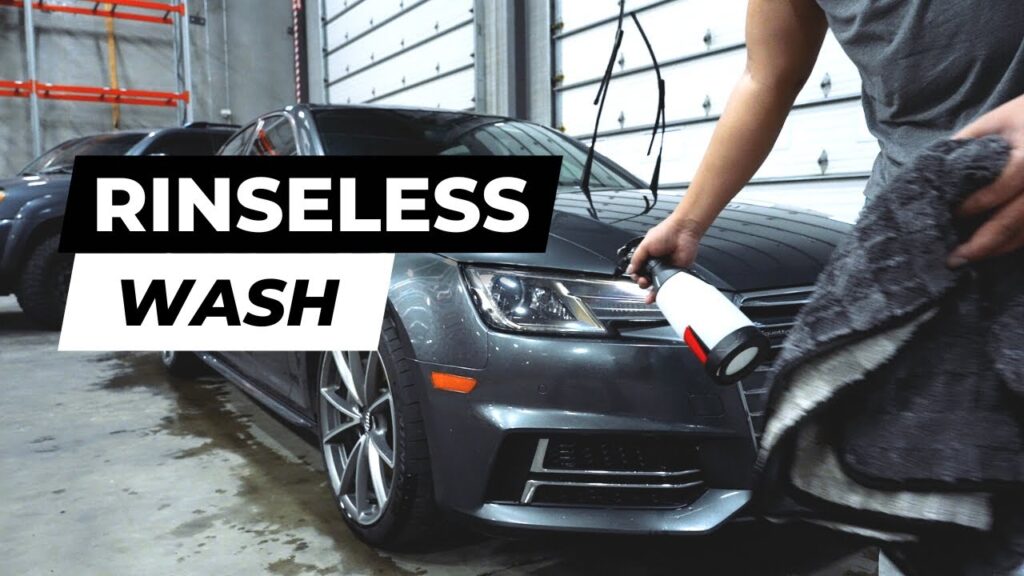
Advanced Rinseless Car Wash Methods: Professional Techniques
The modern professional detailing landscape has elevated the rinseless car wash from a simple water-conservation shortcut to a highly controlled, scientifically grounded methodology. Industry estimates suggest this approach can reduce water consumption by up to 90% compared to traditional hose-and-bucket systems while streamlining workflow efficiency. When executed correctly, it delivers exceptional lubricity, superior contamination management, and long-term paint integrity. Transitioning from viewing rinseless washing as a convenience hack to recognizing it as a precision technique requires a fundamental understanding of fluid dynamics, polymer chemistry, and systematic contamination control.
Executive Summary
- Calibrate dilution ratios per manufacturer TDS guidelines rather than applying fixed universal standards.
- Enforce strict multi-panel towel rotation to maintain consistent lubricity and prevent abrasive drag.
- Integrate chemical decontamination pre-steps before contact washing to protect bonded soils and coatings.
- Standardize three-zone staging and color-coded tool hierarchies to scale commercial detailing workflows.
- Verify all rinseless formulations against specific SiO₂ ceramic and PPF manufacturer compatibility charts.
The Chemistry of Lubrication and Polymer Encapsulation
Understanding the molecular behavior of rinseless formulations is essential for advanced practitioners. Traditional wash methods rely heavily on mechanical rinsing to flush away loosened dirt, whereas rinseless systems depend entirely on chemical suspension and lubricated sliding action. Modern rinseless concentrates utilize a dual-action mechanism: high-performance surfactants reduce surface tension to penetrate microscopic crevices, while specialized polymers bind to suspended contaminants and envelop them in a hydrophobic shell.
Surfactant lubricity creates a low-friction interface between the applicator and the paint surface. As you glide a microfiber towel across the panel, the lubricating layer allows abrasive particles to roll rather than drag, significantly reducing the coefficient of friction that causes swirl marks and marring. Without adequate surfactant concentration, the towel simply pushes grit across the clearcoat, transforming a safe method into a high-risk operation.
Polymer encapsulation addresses the secondary challenge of contaminant retention. Once lifted, particulate matter must remain suspended within the solution until the towel absorbs it. While encapsulation mechanisms vary by formulation, many rinseless products utilize polymer networks to modify particle interaction, preventing them from re-adhering to the paint or settling back into the microfiber matrix. This ensures that each towel fold encounters progressively cleaner surfaces, maintaining consistent lubricity throughout the drying phase.
For example, when working on a vehicle with light dust and atmospheric fallout, the polymer network efficiently binds fine silica particles. During the wipe-down, the encapsulated contaminants transfer cleanly to the microfiber pile without scratching the underlying coating. Professionals who recognize this chemical interplay adjust their pressure, dwell time, and folding frequency accordingly, prioritizing chemical assistance over mechanical force. For detailed formulation breakdowns, consult the Technical Data Sheet (TDS) for your specific concentrate.
Advanced Dilution Matrices for Varying Soil Loads
Dilution is not a one-size-fits-all variable; it is a dynamic parameter that must be calibrated to the specific contamination profile of each vehicle. Over-dilution reduces the carrying capacity of the solution, forcing the operator to compensate with excessive wiping and increasing the probability of embedded scratches. Under-dilution wastes product, leaves visible streaking, and can compromise the polymer network’s ability to encapsulate heavier soils.
| Soil Load Category | Typical Dilution Range | Application Notes |
|---|---|---|
| Light Soil (Weekly Maintenance, Indoor Storage) | 1:16 – 1:32 | Preserves maximum lubricity; minimizes residue buildup for minimal road film exposure. |
| Moderate Soil (Bi-Weekly, Outdoor Parking) | 1:8 – 1:16 | Increases surfactant availability for brake dust and seasonal pollen; agitate thoroughly before spraying. |
| Heavy Soil (Fleet, Construction, Seasonal Neglect) | 1:4 – 1:8 | Higher surfactant density compensates for particulate volume; often requires supplementary decontamination. |
Calculating dilution accurately eliminates guesswork. Measure concentrate using graduated cylinders or calibrated dosing pumps rather than estimating by cap volume. Mix solutions in dedicated buckets with marked fill lines, and agitate thoroughly to ensure homogenous distribution of polymers and surfactants. If the solution turns visibly opaque or sludge-like after three to four panels, the carrying capacity has been exhausted; discard and prepare fresh solution rather than continuing with compromised lubricity.
Professional operators track dilution adjustments alongside environmental factors. High ambient temperatures accelerate evaporation, effectively concentrating the spray mixture mid-job. In such conditions, slightly increase the base dilution ratio or work in shaded zones to maintain consistent lubrication. Conversely, cooler climates may require marginally higher concentrate volumes to offset slower molecular activity and ensure proper polymer activation.
Systematic Towel Management and Section-by-Section Execution
Towel selection and deployment protocols dictate the physical safety of the paint surface. Microfiber performance hinges on construction quality, fiber splitting technology, and edge finishing, alongside measurable properties like grams per square meter (GSM) and pile height. GSM ranges of 300 to 500 are commonly adopted benchmarks that provide a practical balance between absorbency and structural integrity. Lower GSM towels compress too quickly under pressure, losing their ability to trap particulate, while higher GSM variants retain excessive liquid, slowing workflow and increasing the risk of overspray migration onto adjacent trim.
Pile height should align with the contamination level and coating type. Medium pile heights (approximately 6mm to 9mm) are frequently recommended for versatile performance, creating deep enough channels to capture abrasive particles while maintaining sufficient stiffness for controlled wiping. Ultra-plush piles excel on delicate ceramic-coated surfaces where minimal pressure is applied, but they require stricter handling protocols to prevent fiber matting.
The foundation of scratch prevention lies in disciplined folding and flipping routines. Adopt a standardized multi-panel system, typically dividing a large microfiber towel into four or eight distinct working zones. Each zone corresponds to a single pass across a defined vehicle section. Once a panel contacts the surface, it captures suspended contaminants and must never be reused on another area. Flip to the next clean panel after every wipe, and rotate to a fresh towel entirely once all panels have been utilized.
| Protocol Stage | Action | Purpose |
|---|---|---|
| Preparation | Fold towels into 4–8 equal quadrants | Creates distinct working panels for controlled contamination transfer |
| Execution | Wipe one panel per vehicle section | Prevents dragging previously captured grit across clean surfaces |
| Rotation | Flip to clean panel; replace towel when exhausted | Maintains optimal pile loft and absorbency throughout the job |
| Zoning | Color-code towels by vehicle area | Stops cross-contamination between upper panels and lower rocker sections |
Execute the ISD (I Spray Wipe Dry) method with strict sectional boundaries. Define logical working zones such as hood center, fender edges, door panels, and quarter sections. Spray a manageable area, immediately wipe with the designated panel using light, overlapping strokes, and transition to the next clean panel without backtracking. Backtracking drags previously encapsulated particles across already-cleaned paint, reintroducing abrasion risk. Maintain consistent hand pressure, allowing the chemical lubricity to do the majority of the work rather than relying on muscular force.
Color-coding towels by task further isolates contamination pathways. Reserve specific colors for wheel wells, lower rocker panels, and high-friction zones, and keep separate sets exclusively for upper body panels and glass. This visual hierarchy prevents cross-transfer of coarse debris and reinforces systematic workflow discipline.
Strategic Integration with Decontamination and Protective Coatings
Rinseless washing functions optimally as a maintenance methodology rather than a complete replacement for foundational preparation. Bonded contaminants such as iron fallout, overspray, tree sap, and oxidized road film require targeted chemical intervention before any contact washing occurs. Attempting to remove heavily bonded particulate through rinseless techniques alone forces excessive wiping, accelerating towel degradation and increasing clearcoat stress. For complex contamination scenarios, refer to our chemical decontamination guide.
Suggested read: Rinseless Car Wash Authority — Advanced Strategies for Precision Detailing
Integrate rinseless procedures into a tiered service framework. Begin with chemical decontamination steps including iron removers, tar dissolvers, and controlled mechanical claying when necessary. Follow with a thorough rinseless wash to lift loose residues and restore lubricity before applying protective layers. This sequence ensures that the paint surface is chemically neutralized and physically cleared of abrasive elements prior to contact.
Compatibility with aftermarket and factory coatings demands careful formulation analysis. Modern SiO₂ ceramic coatings, graphene enhancers, and polyurethane paint protection films (PPF) generally tolerate pH-neutral rinseless solutions. However, residual curing agents, high-alcohol content, or alkaline surfactants can interfere with cross-linking processes or degrade hydrophobic top layers. Compatibility depends on the specific resin architecture and cure stage of the protective layer. Conduct patch testing on inconspicuous areas when introducing new products to newly coated vehicles. Always defer to the official maintenance guidelines published by your ceramic coating or PPF manufacturer.
Factory sealants and older wax formulations respond differently to polymer-based rinseless systems. Some synthetic waxes exhibit enhanced gloss retention when layered with compatible rinseless polymers, while others may experience premature hydrophobic loss due to solvent interaction. Document product combinations and monitor bead behavior over time to establish reliable pairing guidelines. Avoid mixing rinseless concentrates with ammonia-derived glass cleaners or acidic wheel compounds, as pH clashes can cause hazing, etching, or uneven drying patterns.
When clients request rapid turnaround services, clearly communicate the limitations of contact-only washing. Position rinseless as a precision maintenance tool that preserves existing protection, while reserving aggressive decontamination and correction processes for scheduled detail packages. This transparency builds trust and aligns service expectations with realistic paint preservation outcomes.
Workflow Optimization and Scaling for Commercial Operations
Scaling rinseless operations across multiple vehicles or daily schedules requires deliberate staging, tool standardization, and motion economy. Disorganized workspaces introduce decision fatigue, increase tool switching time, and elevate contamination crossover risks. A streamlined setup transforms complex procedures into repeatable, efficient sequences. Well-structured rinseless workflows can reduce handling time by approximately 15–20% per vehicle by eliminating redundant rinsing and drying steps.
Implement a three-zone staging model. The preparation station houses dilution buckets, calibrated dosing equipment, organized towel stacks, and labeled sprayers. The primary wash zone contains vehicle positioning markers, overhead lighting, and ergonomic footrests or kneepads for prolonged comfort. The finishing corner maintains inspection lamps, panel wipes, and coating applicators, keeping post-wash treatments isolated from active cleaning areas.
Standardize tool placement using shadow boards, magnetic strips, and color-coded containers. Assign specific sprayer nozzle settings to dilution tiers, and pre-fill labeled bottles for quick swap-outs. Pre-fold microfiber towels into identical panel counts and store them in breathable mesh bags to maintain pile loft and prevent cross-contamination between jobs.
Sequence execution logically to minimize repositioning and preserve lubricity. Begin with roofline and upper glass, proceed to hood, trunk, and side panels, then address lower rocker sections and wheel arches last. This top-down approach prevents gravity-driven runoff from depositing fresh contaminants onto freshly cleaned surfaces. Work in consistent panel dimensions, allowing each towel fold to cover a predetermined area before rotation.
Labor time reduction stems from repetition and muscle memory, not rushed movements. Practice consistent spray distance, maintain steady wiping cadence, and eliminate unnecessary bending or twisting by arranging tools within immediate reach. Fleet operators benefit from batch processing similar vehicle types, enabling focused adjustment of dilution ratios and towel allocation without constant recalibration. Track completion metrics to identify bottlenecks, refine station layouts, and maintain consistent showroom-quality finishes without compromising structural safety or chemical effectiveness.
Risk Mitigation and High-Risk Scenario Troubleshooting
Even with optimized chemistry and disciplined execution, certain scenarios demand corrective protocols and clear service boundaries. Recognizing failure points early prevents costly paint damage and protects professional reputation.
Insufficient Lubrication: Visible dry spotting, audible squeaking, or increased towel resistance indicates depleted surfactant concentration. Stop immediately, refresh the solution, and reassess spray coverage. Continuing under low-lubricity conditions guarantees micro-scratching regardless of towel quality.
Stubborn Contaminants: Bird droppings, pine sap, road tar, and baked-on insect residue contain acidic or resinous compounds that bond aggressively to clearcoat. Do not attempt mechanical removal through repeated wiping. Apply a dedicated tar and adhesive remover, allow prescribed dwell time, gently lift with plastic microfiber or soft foam applicators, then resume standard rinseless protocol. Aggressive scraping introduces irreversible clearcoat loss.
Cross-Contamination Loops: Reusing compressed panels, skipping flips, or transferring towels between upper and lower vehicle zones rapidly reintroduces abrasive particulate. Enforce strict panel rotation policies, implement visual checkpoint markers, and conduct post-wash inspections under raking light to catch missed contamination before delivery.
Customer Perception Gaps: Clients accustomed to high-pressure rinsing or automatic tunnels may question the absence of running water or extended contact time. Educate stakeholders on the scientific advantages of lubricated suspension washing, demonstrate comparative gloss retention, and provide written care guidelines that reinforce proper maintenance intervals. Clear communication transforms skepticism into loyalty.
Service Boundary Definition: Establish explicit criteria for when rinseless methods are inappropriate. Heavily caked mud, salt-crusted undercarriages, extensive oxidation requiring compounding, or vehicles with active paint peeling fall outside standard rinseless scope. Recommend supplemental pre-wash immersion, steam extraction, or correction packages to address severe conditions safely. Defining limits protects both the client’s investment and the operator’s liability.
Frequently Asked Questions
How do I calculate and adjust dilution ratios based on varying soil loads without compromising lubricity?
Measure concentrate using graduated equipment and mix according to a structured matrix aligned with manufacturer TDS guidelines: 1:16–1:32 for light maintenance soils, 1:8–1:16 for moderate road film, and 1:4–1:8 for heavy contamination. Agitate thoroughly to ensure homogeneous polymer distribution, and monitor solution clarity during use. Discard and prepare fresh batches when opacity increases or lubricity feels thin, as diluted solutions lose their carrying capacity and increase swirl risk.
What is the most effective multi-towel folding and flipping protocol to prevent embedded scratch contamination?
Divide each microfiber towel into four or eight distinct panels, assigning one panel per vehicle section. After each wipe, flip to a clean panel without backtracking, and replace the entire towel once all panels have been utilized. Color-code towels by task zone, maintain medium pile height (6–9mm) for versatile contaminant capture, and apply light, consistent pressure to allow chemical lubricity to manage particulate transfer.
Can rinseless methods safely replace traditional pre-washes for heavily soiled vehicles, or what supplements are required?
Rinseless washing cannot fully replace chemical decontamination for heavily bonded soils. Supplement with iron removers, tar dissolvers, and controlled claying before contact washing. Reserve rinseless protocols for lifting loose residues and maintaining lubricity, while limiting mechanical wiping to protect against clearcoat stress from aggressive particulate.
How do modern rinseless formulations interact with SiO2 ceramic coatings and PPF?
Most pH-neutral, alcohol-free rinseless concentrates are compatible with cured SiO2 coatings and PPF, enhancing hydrophobic layer maintenance without interfering with cross-linking. However, compatibility varies by resin architecture and cure stage. Always verify ingredient lists for high alkalinity or strong solvents, conduct patch tests on newly coated surfaces, and strictly follow manufacturer-recommended cure windows before initiating frequent contact washing.
What workflow optimizations reduce labor time while maintaining showroom-quality finish standards?
Implement three-zone staging, standardize tool placement with color coding, follow a top-down execution sequence, and maintain consistent panel dimensions. Pre-fold towels, calibrate dilution equipment, and batch-process similar vehicles to build muscle memory. Focus on repetition and motion economy rather than speed, ensuring each pass benefits from optimal lubricity and proper panel rotation.
Suggested read: Rinseless Car Wash Authority — Part 12: Advanced Workflows, Coating Safety, and Precision Chemistry
Mastering Precision Through Discipline and Science
The transition from basic contact washing to advanced rinseless execution demands a commitment to chemical literacy, systematic contamination control, and unwavering procedural discipline. By understanding surfactant lubricity, calibrating dilution matrices to actual soil profiles, enforcing strict towel management, and integrating rinseless methods responsibly within broader decontamination frameworks, professionals can consistently deliver showroom-quality results while preserving long-term paint integrity.
Scaling these practices across mobile routes or commercial fleets requires deliberate staging, standardized tool hierarchies, and clear service boundaries. Acknowledging the limitations of contact-only washing, addressing high-risk scenarios with targeted corrections, and educating clients on the scientific value of precision washing strengthens operational credibility and customer trust.
Adopting advanced rinseless car wash methods is not about chasing faster turnarounds; it is about elevating every step of the process to a repeatable, scientifically supported standard. When executed with precision, this methodology becomes an indispensable component of sustainable detailing operations, protecting client investments, optimizing labor efficiency, and setting a new benchmark for professional paint preservation.
Industry Standards & Compliance References
Professional implementation of rinseless detailing methodologies should align with established technical documentation and safety guidelines. Operators are advised to consult the following resources for formulation validation and compliance:
- Technical Data Sheets (TDS) & Safety Data Sheets (SDS): Manufacturer-provided documentation outlining active surfactant concentrations, pH boundaries, and hazard classification.
- Ceramic Coating & PPF Manufacturer Guidelines: Official maintenance protocols specifying approved chemical interactions and cure-stage restrictions.
- Textile Engineering Specifications: Independent data on microfiber contaminant retention relative to weave construction, split-ratio technology, and GSM ratings.
- PDAA & IAAI Best Practices: Industry association standards covering chemical decontamination sequencing, runoff disposal regulations, and service boundary definitions.
Leave a Reply