In this guide
How You Too Can Benefit From These Wall Mounted Pressure Washer Methods
If you are tired of dragging a heavy pressure washer out of the garage, untangling hoses, and clearing shelf space for another bulky tool, a wall mounted pressure washer may be the upgrade you need. Unlike portable units that get shoved into a closet or shed, these machines fix directly to a wall, stay connected to your water supply, and are ready to work in seconds. This guide covers what they are, how to install one the right way, and the common mistakes that cost homeowners time and money.
Key Takeaways
- Wall mounted pressure washers save floor space and keep your cleaning equipment organized and ready to use.
- Installation is manageable for most DIYers, but electrical and plumbing connections deserve extra care.
- Always test the unit at low pressure before regular use and choose the correct nozzle for the surface you are cleaning.
- Regular maintenance, including winterizing and filter checks, prevents expensive repairs later.
What Is a Wall Mounted Pressure Washer and How Does It Work?
A wall mounted pressure washer works exactly like a portable one, just with a fixed home. The system has three essential parts: a motor, a pump, and a water inlet. The motor drives the pump, which pressurizes the water coming from your garden hose and pushes it through a high-pressure hose to a trigger gun or wand. The mounting bracket simply holds the machine against a wall, usually at waist height, so you can reach the controls without bending over.
Most residential wall mounted units are electric, which makes them quieter and lighter than gas-powered models. They still deliver enough force for driveways, siding, fences, and vehicle washing when set up with the right nozzle and pressure level.
Why Choose a Wall Mounted Unit? The Main Benefits
Homeowners and small business owners choose these systems for several practical reasons.
Space Efficiency
A wall mounted pressure washer takes up almost no floor space. Mounting it in a garage, utility room, or covered outdoor area frees up valuable room for bikes, tools, and storage bins. For a compact garage or a workspace where every inch matters, that makes a real difference.
Always Ready to Use
Because the unit stays connected to the water supply and has its high-pressure hose stored on an integrated reel, you skip the setup routine. You pull out the gun, plug it in if needed, and start cleaning. For people who wash vehicles weekly or maintain property for a living, this convenience adds up quickly.
Reduced Clutter and Safer Storage
Portable machines often sit on the floor with hoses coiled around them, creating a trip hazard. Mounted units keep hoses off the ground and secure the machine out of reach of kids and pets. Many models also include a lockable bracket, which discourages casual theft from an open garage.
What Risks Should You Know About?
Wall mounted pressure washers are not without trade-offs. Being aware of the risks before you buy helps you make a smarter decision.
Suggested read: Pressure Washer Trailer: How to Choose, Build, and Profit From the Right Setup
Installation errors are the most common issue. If you mount the unit on drywall or an unreinforced surface, the weight and vibration can pull the bracket loose. Water pressure problems occur when the supply line is too small or shared with other appliances. Electrical hazards can also develop if the outlet is not properly grounded or protected by a GFCI. In freezing climates, water left inside the unit or hoses can crack the pump. Each of these risks is preventable with the steps below, but ignoring them leads to costly repairs.
Wall Mounted vs. Portable Pressure Washers
Portable units remain a good choice for people who need one machine for multiple locations, such as rental properties or job sites. They are also cheaper upfront and easier to replace. Wall mounted units, by contrast, appeal to anyone with a fixed cleaning spot. They feel more permanent, look professional, and remove the daily hassle of moving equipment around. If you wash the same driveway, patio, or fleet vehicles regularly, the convenience generally outweighs the higher initial cost.
Step-by-Step: How to Install and Use Your Wall Mounted Pressure Washer
Step 1: Choose the Right Location
Pick a spot close to both a cold water supply and a grounded electrical outlet. The wall should be a load-bearing surface such as a concrete, brick, or stud-framed wall. Avoid areas near furnaces, water heaters, or anything sensitive to moisture. Outdoor installations should be under an overhang or inside a sheltered structure to extend the life of the unit.
Step 2: Install the Mounting Bracket Securely
Use the mounting holes as a template and mark the wall. For concrete or brick, drill with a masonry bit and insert anchors rated for the unit’s weight. For stud walls, drive lag bolts directly into the studs. Never rely on drywall anchors alone for a machine that vibrates. Check the bracket with a level before tightening fully.
Step 3: Connect Water Inlet, Hose, and Power
Attach a garden hose with the correct diameter to the unit’s water inlet. Most manufacturers recommend a minimum 5/8-inch supply hose and a water source that can deliver at least the flow rate stated in the manual. Connect the high-pressure hose to the gun and the gun to the unit. Plug the power cord into a GFCI-protected outlet and avoid extension cords whenever possible. Manufacturer installation manuals consistently warn against overloading circuits or using undersized supply lines.
Step 4: Test at Low Pressure First
Turn on the water supply and let it run through the system before starting the motor. Then switch the unit on and test the trigger at low pressure. Hold the wand steady and point it at a safe surface so you can confirm there are no leaks at the fittings. If anything drips, shut the unit off and tighten the connections before continuing.
Step 5: Set Up a Maintenance Schedule
Check hoses, filters, and nozzles at the start of each season. Clean the inlet filter to remove sediment, flush the system with clean water, and inspect the high-pressure hose for kinks or wear. In freezing climates, winterize the unit by draining all water and storing the hose indoors. Home improvement references like This Old House and The Family Handyman recommend the same simple habits to extend the working life of pressure washers.
Safety Precautions to Follow
Electricity and water mix poorly, so treat the power connection seriously. Install the outlet on a dedicated circuit with GFCI protection and make sure it is properly grounded. If you are not confident in your wiring, ask an electrician to do that part of the job. Also, never point the spray at people, pets, or electrical fixtures, and always engage the safety lock on the trigger when the wand is not in use. Wearing closed-toe shoes and eye protection is a simple habit that prevents most common injuries.
Common Mistakes to Avoid
- Mounting on drywall or non-load-bearing surfaces without reinforcement. The bracket will loosen over time and may pull out entirely.
- Using an undersized or improper water supply line. This starves the pump, causes pressure fluctuations, and can damage seals.
- Setting pressure too high for delicate surfaces. Siding, car paint, and wood can be etched or stripped by a narrow nozzle held too close.
- Neglecting winterization in freezing weather. Leftover water expands when frozen and cracks the pump, which is the most expensive part to replace.
- Skipping manufacturer-recommended maintenance checks. Most warranty claims fail because the owner ignored the listed service intervals.
Frequently Asked Questions
Do I need a professional to install a wall mounted pressure washer?
Not necessarily. If you already have a suitable water supply and a grounded outlet, a confident DIYer can handle the mounting and connections in an afternoon. Professional help is worth it when you need to add a water line, upgrade an electrical circuit, or install a GFCI outlet.
Can a wall mounted pressure washer damage my siding or car paint?
Yes, if the pressure is too high or the nozzle is held too close. Start with a wide-angle nozzle and low pressure, then gradually narrow the spray pattern only if the surface needs it. Test on an inconspicuous area first and keep the wand moving.
What maintenance does a wall mounted pressure washer require?
Regularly check hoses, filters, and water connections for leaks or wear. Flush the system after use, and in freezing temperatures, drain all water and store detachable parts indoors. A quick inspection every few months catches small issues before they become expensive failures.
Are wall mounted pressure washers worth the cost compared to portable ones?
For a dedicated cleaning area, yes. The convenience, space savings, and durability make the higher upfront cost worthwhile for most homeowners. If you need a machine you can carry between properties, a portable unit is still the more flexible choice.
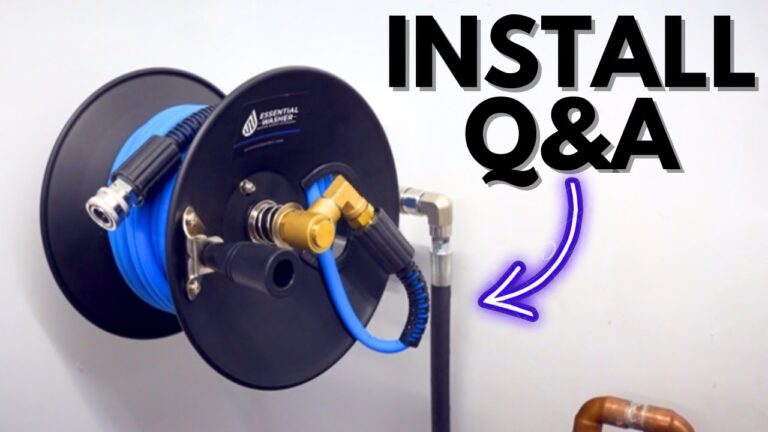
Suggested read: How to Install a Pressure Washer Hose Reel: A Step-by-Step Guide
Conclusion
A wall mounted pressure washer turns a chore into a quick routine. You get a cleaner garage, a shorter setup time, and a machine that stays ready whenever grime builds up. The key is to choose the right location, follow the manufacturer’s instructions, and keep up with simple maintenance. Avoid the common mistakes covered here, and the investment will serve you well for years.
If you are still deciding between mounting or going portable, explore our related articles on pressure washer maintenance and outdoor cleaning equipment. For help choosing the right model for your home or business, contact us and we will point you in the right direction.
Sources & References
- University of Florida IFAS Extension – Freeze Protection for Outdoor Plumbing (research)
Extension publications explain the risk of residual water freezing in pumps and pipes, backing the article's warning about winterizing wall mounted pressure washers. - Kärcher – Wall Mounted Pressure Washer Installation Manual (documentation)
Manufacturer installation manuals provide specific requirements for wall mounting, water supply connections, and electrical outlets. Verify the exact model manual on the site. - National Fire Protection Association (NFPA) – Electrical Safety in Wet Areas (official)
NFPA codes (e.g., NEC) require GFCI protection for outlets near water sources. This supports the article's point about electrical hazards and safe installation. - U.S. Consumer Product Safety Commission (CPSC) – Pressure Washer Injury Reports (official)
CPSC tracks consumer product incidents and can substantiate claims about risks and injuries associated with pressure washers, including installation and misuse. - OSHA – Pressure Washer Safety (official)
OSHA provides safety guidelines for pressure washer operation, including electrical hazards, grounding, and safe handling. Search the site for 'pressure washer' to find relevant publications. - This Old House – How to Install a Wall Mounted Pressure Washer (other)
A widely recognized home improvement resource offering practical installation tips and common mistakes, supporting the article's step-by-step guidance and risk warnings.